You’ve been there. You open your closet, and it’s full of clothes. Yet, you stand there, hands on hips, feeling like you have nothing to wear. The culprit isn’t a lack of volume—it’s a lack of balance. You have six sequined tops from that one sale, but no plain white tees to ground them. You own three pairs of avant-garde trousers, yet you’re late for work because you can’t find one pair of dark wash jeans that fits.
This is the tension the 70/30 rule solves. It isn’t about deprivation or banning fun. It’s about creating a structural ratio that makes your wardrobe functional and expressive. Think of it as the golden mean of dressing: 70% timeless, versatile basics that do the heavy lifting, and 30% statement or trend-led pieces that inject personality. When you get that ratio right, getting dressed becomes a series of easy wins.
This shopping checklist will help you audit your current closet, identify what’s missing, and make smart purchases that respect both your style and the planet. We’re not buying for the sake of buying—we’re curating for a system that works.
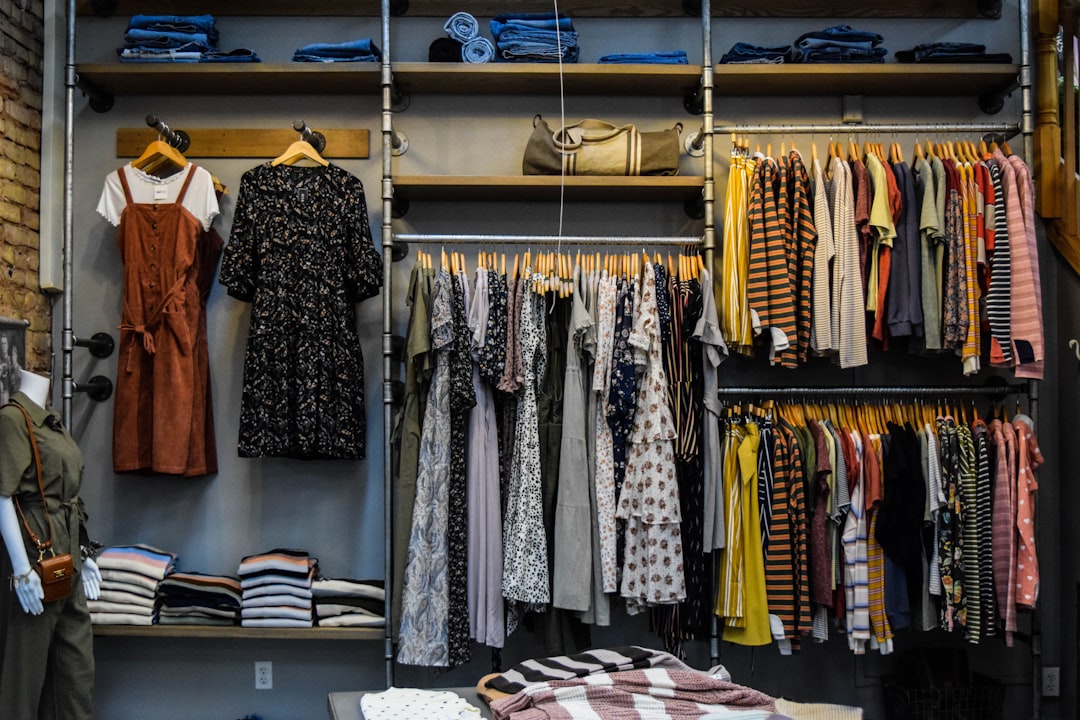 Photo by Burgess Milner on Unsplash
Your 70/30 Wardrobe Audit: The Pre-Shopping Checklist
Before you add a single item to your cart, you need to know exactly where your closet stands. This isn’t a purge; it’s a diagnostic.
Step 1: Pull and Sort Take everything out of your closet. Sort into three piles:
- Pile A: The Daily Drivers. These are the pieces you reach for without thinking. The perfect-fitting jeans, the soft cotton tee, the black blazer that goes with everything. These are your 70% candidates.
- Pile B: The Fun Stuff. These are your patterned dresses, bold colored coats, textured blouses, and unique jewelry. These are your 30% candidates.
- Pile C: The “Maybe” Pile. This is the purgatory of your wardrobe. Items you haven’t worn in a year, things that don’t fit, or pieces you bought on a whim.
Step 2: Calculate Your Current Ratio Count the pieces in Pile A and Pile B. Divide Pile A by the total of A+B. That’s your current percentage of basics. Are you at 70%? Or are you at 40% basics and 60% statement pieces (which explains the “nothing to wear” feeling)?
Step 3: Identify the Gaps Once you know your ratio, you know your shopping list.
- If you’re under 70% basics: You need to invest in foundational pieces first. No leopard-print coats until you have a solid navy sweater.
- If you’re over 30% statement pieces: You need to be ruthless. Keep only the statement pieces that make you feel exceptional. The rest? Sell, donate, or pass along.
- If you’re exactly on target but still feel stuck: The problem isn’t the count—it’s the fit or quality of your basics. You might need to upgrade a core item.
The Five-Question Pre-Purchase Filter
Every item you consider buying must pass this filter. Write these questions down. Tape them to your wallet.
- Does it fill a specific gap in my 70% or 30%? (e.g., “I need one high-quality white button-down for my basics pile.”)
- Can I create at least three outfits with it right now, using what I already own? (If you can’t visualize three looks, it’s a one-off, not a building block.)
- Is the material quality high enough to survive at least 30 wears? (Check fiber content. Natural fibers like organic cotton, linen, Tencel lyocell, and wool are a good start. Read more about fabric choices in our Tencel Lyocell explainer.)
- Does it fit perfectly right now, or does it require tailoring? (If it needs tailoring, add $20-40 to the cost. If you won’t actually take it to the tailor, put it back.)
- Is the care routine realistic for my life? (If it’s “dry clean only” and you work from home in joggers, that piece will live in the back of your closet.)
The 70% Foundation: Your Checklist for Timeless Basics
This is the engine of your wardrobe. These pieces should be high-quality, neutral-toned (or your personal version of neutrals), and incredibly versatile. You are looking for “forever” items here, not “for-now” items.
The Core Essentials Checklist
Use this list as a starting point. You may not need every single item, but your 70% should cover these categories.
Tops (Aim for 4-6 pieces)
- The Perfect White Tee: Not too sheer, not too boxy. Look for 100% organic cotton or a cotton-hemp blend.
- A Neutral Striped Breton Top: The ultimate French wardrobe staple. Works under a blazer or with jeans.
- A Silk or Satin Shell: A camisole or simple blouse in a neutral (ivory, black, navy). This elevates everything.
- A Classic Button-Down (White or Blue): Crisp enough for work, relaxed enough for weekend layering.
- A Fine-Gauge Cashmere or Merino Sweater: A crewneck or V-neck in a neutral like heather grey, camel, or navy. Check out our guide on thrifting cashmere for a sustainable, high-quality option.
Bottoms (Aim for 3-4 pieces)
- Dark Wash Straight or Slim Jeans: The most versatile denim cut. No rips, no fading.
- Black or Navy Tailored Trousers: For work and dressier occasions.
- A Neutral Midi Skirt: A-line or straight. In a year-round fabric like cotton twill or a wool blend. For secondhand finds, use our midi skirt shopping checklist.
Outerwear (Aim for 2-3 pieces)
- A Classic Trench Coat or Wool Coat: A single investment piece that lasts a decade.
- A Structured Blazer: Navy, black, or camel. The single most transformative layering piece. Use our secondhand blazer checklist to find one that fits like a dream.
- A Denim Jacket or Leather Jacket: Adds texture and edge. For leather, see our secondhand leather jacket strategy.
Dresses (Aim for 1-2 pieces)
- The Little Black Dress (LBD): Simple, elegant, in a fabric that travels well (like ponte knit or crepe).
- A Slip Dress: Can be worn alone in summer, layered with a tee or turtleneck in winter.
Shoes (Aim for 3-4 pairs)
- White Leather Sneakers: Clean, classic, and comfortable.
- Black or Nude Pointed-Toe Flats or Loafers: Polished and professional.
- A Block-Heel Sandal or Ankle Boot: Heeled but walkable.
Where to Invest in Your 70%
For your basics, prioritize brands known for consistent sizing, ethical production, and durable materials. You want pieces that don’t pill after three washes.
- Eileen Fisher: The gold standard for timeless, ethical basics. Their linen and cotton pieces are designed for longevity. Compare them with other basics brands in our Eileen Fisher vs. Amour Vert vs. Kotn comparison.
- Everlane: Reliable for cashmere, denim, and silk shells. Their “Choose What You Pay” model is a bonus.
- Quince: Offers high-quality basics (cashmere, silk, organic cotton) at factory-direct prices. A solid choice for building a 70% foundation on a budget.
- Uniqlo: For heattech, airism, and their incredibly durable supima cotton tees. A great value option for the core layer.
The 30% Playground: Your Checklist for Statement Pieces
This is where your personality shines. The 30% is for the pieces that make you feel like you. The rule here is scarcity and joy. You should own fewer of these, but love each one fiercely.
The Statement Piece Criteria
A piece belongs in your 30% if it meets at least two of these criteria:
- It has a bold print or pattern: Leopard, floral, abstract, plaid.
- It is a “hero” color: A bright cobalt blue, a rich emerald green, a vibrant mustard yellow.
- It has unique construction or texture: Ruffles, puff sleeves, leather paneling, intricate beading.
- It is a “special occasion” item: A gown, a tuxedo jacket, a very high heel.
- It is a current trend you want to try: The specific silhouette or detail that is having a moment (e.g., a wide-leg cargo pant, a sheer overlay top).
The Statement Piece Checklist
- One “Hero” Coat or Jacket: This is often the most impactful statement. A red trench, a plaid blazer, a faux-fur coat.
- Two to Three Printed Tops or Blouses: The kind that don’t need accessories.
- One Statement Dress: For parties, events, or days you want to feel like a main character.
- One Pair of “Fun” Trousers or Skirt: Think a bright plaid pant, a leather mini skirt, or a silk maxi with a slit.
- Two to Three Accessories: These are the easiest way to rotate your 30% without spending a lot.
- A chunky chain necklace or a stack of colorful bangles.
- A printed silk scarf (can be worn on neck, bag, or head).
- One “wow” bag (a bright color, unique texture).
- One Pair of Statement Shoes: A metallic loafer, a snakeskin bootie, or a bright red pump.
Where to Find Your 30%
Because statement pieces are inherently more trend-driven, this is the perfect category to buy secondhand or from smaller, independent designers. You can take more risks here without a huge financial or environmental cost.
- The RealReal / Vestiaire Collective: For designer statement pieces at a fraction of retail. Look for bold prints from Marni or Dries Van Noten.
- Thrift Stores & Vintage Shops: The best place to find unique textures and cuts that no one else will have.
- Sezane: Their signature cardigans and printed blouses are perfect 30% pieces that still feel classic.
- Doen or Christy Dawn: For feminine, romantic statement dresses. See our Doen vs. Christy Dawn comparison for the best slow-fashion option for you.
The 70/30 Rule in Action: A Sample Outfit Formula
To see how this works, let’s build a week of outfits using a theoretical 70/30 closet.
The 70% Foundation (Your “Base”):
- Dark wash jeans
- Black tailored trousers
- White tee
- Black silk shell
- Navy merino sweater
- Black blazer
- Camel trench coat
- White sneakers
- Black loafers
The 30% Statement (Your “Splash”):
- Leopard-print blouse
- Cobalt blue wool coat
- Metallic gold loafers
- Plaid wool scarf
Five Outfits from This System:
| Day | Base (70%) | Statement (30%) | Footwear |
|---|---|---|---|
| Monday | Black trousers + Black silk shell | Leopard-print blouse (layered over shell) | Black loafers |
| Tuesday | Dark wash jeans + White tee | Cobalt blue coat + Plaid scarf | White sneakers |
| Wednesday | Black trousers + Navy merino sweater | Metallic gold loafers | Metallic gold loafers |
| Thursday | Dark wash jeans + Black silk shell | Leopard-print blouse (tucked in) | Black loafers |
| Friday | Dark wash jeans + White tee | Cobalt blue coat | White sneakers |
Notice how the 70% pieces are the workhorses, and the 30% pieces are the accents. You can swap the leopard blouse for the navy sweater, or the cobalt coat for the trench, and create entirely different moods. This is the power of the ratio.
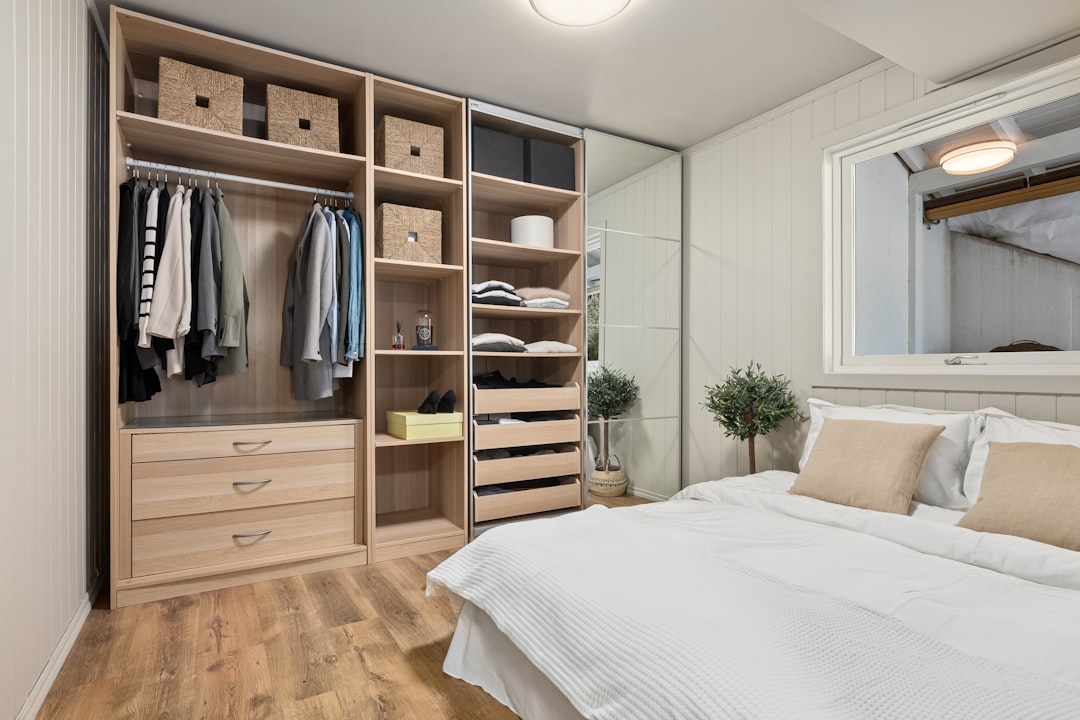 Photo by Alex Tyson on Unsplash
The Shortlist Criteria That Matter
When you are standing in a store or scrolling online, these are the only three criteria that matter for making a final decision. If a piece passes this shortlist, it is worthy of your closet.
1. The “Three-Outfit Test”
Can you, right now, name three different outfits you will wear this piece in? Not “maybe I could,” but actual, specific combinations. If you can’t, it’s a one-hit-wonder, not a wardrobe piece.
2. The “Wash & Wear” Honesty Check
Look at the care label. Be brutally honest about your laundry habits. If you don’t hand-wash delicates, don’t buy a piece that requires it. If you machine-dry everything, don’t buy 100% linen unless you’re okay with a wrinkled look. A piece that is easy to care for is a piece that will actually get worn. For help, read our garment care label decoder.
3. The “Hand Feel” and Construction Test
You can’t do this online, but in a store, it’s vital.
- Fabric: Does it feel substantial? Is it soft? Does it have a good drape? Avoid anything that feels stiff, papery, or overly synthetic (unless it’s a technical fabric for a specific purpose).
- Seams: Are they straight and finished? Are there loose threads? Look at the inside of the garment. A clean finish is a sign of quality.
- Buttons & Zippers: Do the buttons feel secure? Does the zipper glide smoothly? These are the first things to fail on cheap clothing.
The Final Decision Matrix
Before you check out, run the item through this quick mental table.
| Question | Yes | No |
|---|---|---|
| Is it filling a specific gap in my 70% or 30%? | Proceed | Stop |
| Did it pass the Three-Outfit Test? | Proceed | Stop |
| Is the care routine realistic for my life? | Proceed | Stop |
| Is the material and construction high quality? | Proceed | Stop |
| Does it fit perfectly right now? | Buy | Stop (or commit to tailoring) |
If you get four “Yes” answers and one “No” on fit, and you are 100% committed to tailoring, you can proceed. Otherwise, put it back.
Your Next Step: The 21-Day Reset
The 70/30 rule isn’t a one-time shop. It’s a living system. For the next 21 days, commit to this single practice:
Every time you get dressed, mentally tag each item as “70” (basic) or “30” (statement).
This simple act of consciousness will reveal your true ratio. You’ll start to see where you have too many statement pieces and not enough foundations, or vice versa. You’ll notice which basics are actually wearing out and need to be replaced.
After 21 days, you will have a data-driven understanding of your wardrobe. You won’t need to guess anymore. You’ll know exactly what to buy next—and more importantly, what not to buy. That is the sustainable path. Not buying less, but buying with intention.