Most cashmere sweaters don’t die from being worn too much. They die in a laundry basket.
The sweater gets worn twice, feels wonderful, then lands in a pile of “delicates” that never quite get washed because the label says dry clean only and the thought of hand washing cashmere feels like a chore reserved for people with more time. By the time it resurfaces, there are pills under the arms, the cuffs have gone slack, and it smells faintly of the back of a closet. It gets demoted to a drawer, then a donation bag, and eventually someone else finds it on a thrift rack for $12 and wonders why anyone gave it up.
That sweater was never ruined. It was just neglected at the exact moment it needed thirty minutes of attention.
Secondhand cashmere is one of the best-value purchases in a slow wardrobe. A quality sweater that retailed for $200 to $400 can be found for a fraction of that, and cashmere actually improves with the right kind of wear, softening as the fibers relax. But it’s also the fiber most likely to be mishandled, because the care instructions are vague and the fear is high. This is the checklist that replaces the fear with a routine: prevention first, then washing, then rescue tactics, then the honest question of when a sweater is actually finished.
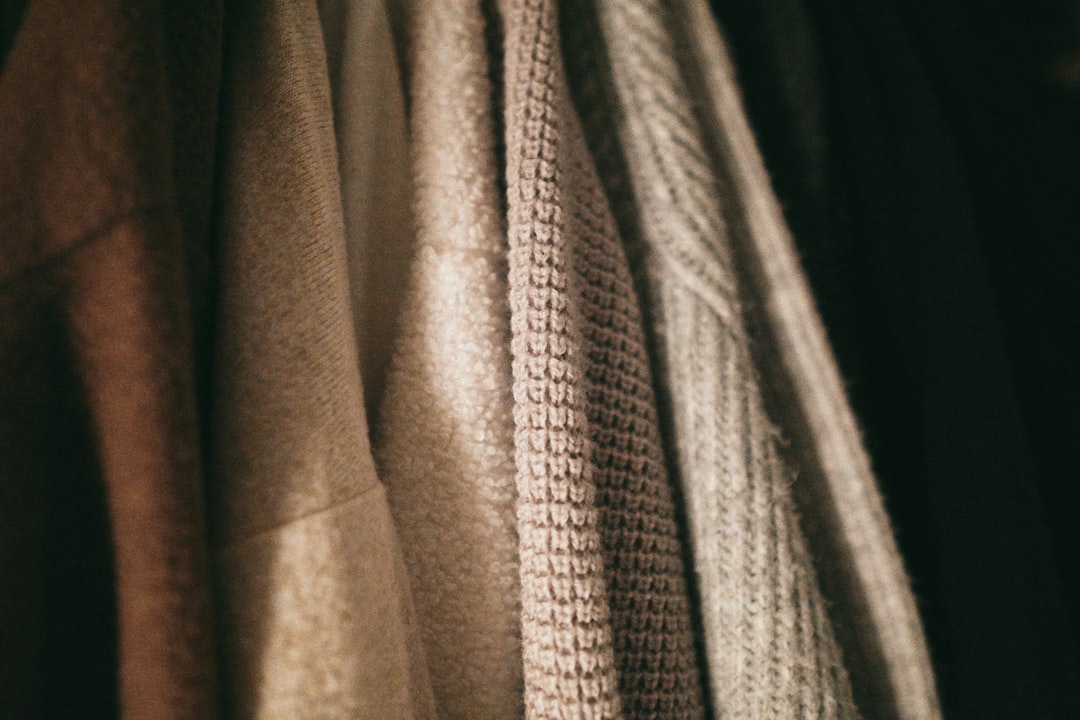 Photo by Haley Truong on Unsplash
Why Secondhand Cashmere Fails (And Why It’s Almost Never the Fiber’s Fault)
Cashmere is a protein fiber, like wool and silk, which means it responds to three things poorly: heat, agitation, and harsh chemicals. Heat makes the scales on each fiber lock together, which is how a sweater shrinks two sizes in a hot wash. Agitation, especially in a machine, causes fibers to rub against each other and tangle into the small knots we call pills. Harsh detergents strip the natural oils that keep cashmere soft and slightly springy.
The reason secondhand sweaters are especially vulnerable is that they arrive with history. A sweater that was machine washed by its first owner may already have slightly matted fibers. One that was stored in a damp basement may carry a faint mustiness that never quite aired out. One that was hung on a hanger for years will have stretched shoulders that no wash can fully reverse.
None of that means the sweater is a lost cause. It means the first thing you do with a secondhand cashmere find is not wear it. It’s assess it.
The three-minute assessment
Before washing anything, lay the sweater flat on a light-colored towel and look at it in daylight. Check for:
- Pilling under the arms, along the sides, and at the cuffs. Light pilling is normal and removable. Heavy pilling that feels like a solid mat is a sign of fiber damage.
- Thinning at the elbows, cuffs, and collar. Hold the sweater up to a window. If light passes through unevenly, the fibers are worn.
- Stretched hems and cuffs. A ribbed cuff that stays wide when you let it go has lost its elastic memory.
- Moth holes. Small, clean, round holes are moth damage. Irregular holes or runs are usually snags.
- Odor. Mustiness, smoke, or perfume that doesn’t fade after airing for 24 hours is a sign the sweater needs a proper wash before anything else.
If the sweater passes this assessment, it’s worth the care routine. If it fails on multiple counts, you may still be able to wear it, but adjust your expectations: it becomes a layering piece, a weekend sweater, or a candidate for a repair project rather than a centerpiece.
Prevention: The Habits That Keep Cashmere Out of Trouble
The single biggest mistake people make with cashmere is treating it like cotton. Cotton is forgiving. Cashmere is not, but it’s also not fragile. It just needs a few consistent habits.
Wear a base layer underneath. A thin cotton or silk tee between your skin and the sweater reduces the amount of oil, sweat, and deodorant the cashmere absorbs. This alone can cut your wash frequency in half.
Rotate your sweaters. Wearing the same cashmere sweater three days in a row doesn’t give the fibers time to recover their shape. Give each sweater at least a day of rest between wears. If you own two or three, rotate them. If you only own one, this is a good argument for finding a second on a thrift or resale site.
Air after every wear. Before the sweater goes back in the drawer, hang it on a padded hanger or lay it flat somewhere with airflow for a few hours. This lets moisture evaporate and prevents the faint sour smell that comes from storing worn knits in a closed drawer.
Fold, never hang. Hanging a cashmere sweater on a standard hanger stretches the shoulders and distorts the body. Fold it in thirds, or fold it in half and then in half again, and store it flat. If you must hang it briefly, use a padded hanger and only for a few hours.
De-pill before it becomes a problem. A cashmere comb or a fabric shaver used gently every few wears keeps pills from tangling into larger knots. More on this in the rescue section below.
Store clean. Moths are attracted to the oils and food particles left on worn clothing, not to the cashmere itself. A sweater that goes into storage with even a light residue of skin oils is a moth buffet. Wash or at minimum air thoroughly before seasonal storage.
If you’re also caring for other secondhand natural-fiber pieces, the same logic applies. Our guide to how to wash and store a secondhand wool coat covers the parallel routine for heavier wool, and the secondhand suede boots and shoes care playbook walks through the leather and suede side of a repair-first wardrobe.
 Photo by Jan Zinnbauer on Unsplash
The Hand-Wash Method That Actually Works
Hand washing cashmere is not difficult. It takes about fifteen minutes of active time and a few hours of drying. What makes it feel intimidating is the fear of doing it wrong. Here’s the version that works, step by step.
What you need
- A clean sink or basin
- Cool or lukewarm water (never hot)
- A pH-neutral detergent designed for wool and cashmere, or a gentle baby shampoo in a pinch. Brands that work well: The Laundress Wool & Cashmere Shampoo (AFFILIATE_LINK_THE_LAUNDRESS), Eucalan (https://www.eucalan.com), or Soak (AFFILIATE_LINK_SOAK). All are no-rinse or low-rinse formulas that don’t strip natural oils.
- Two clean bath towels
- A drying rack or a flat surface
The steps
1. Fill the basin with cool water. Add a small amount of detergent, about a teaspoon. Swirl it in with your hand. The water should feel barely warm to the touch, never hot.
2. Submerge the sweater and press gently. Do not wring, scrub, or rub. Press the sweater down into the water and let it soak for 10 to 15 minutes. If there are stains, spot-treat them first with a tiny amount of detergent and a soft cloth, working from the outside of the stain inward.
3. Drain and rinse. Lift the sweater out of the basin without wringing. Empty the soapy water and refill with clean cool water. Press the sweater down again to rinse. Repeat if needed until the water runs clear. If you’re using a no-rinse formula like Eucalan, you can skip the rinse step entirely.
4. Remove excess water without wringing. Lay the sweater flat on a clean dry towel. Roll the towel up from one end, pressing gently as you go. The towel absorbs most of the water. Do not twist or wring the sweater, which distorts the fibers.
5. Reshape and dry flat. Lay the sweater on a second dry towel or a mesh drying rack. Gently reshape it to its original dimensions: shoulders squared, sleeves straight, body flat. Let it air dry away from direct sunlight and heat. This takes 12 to 24 hours depending on humidity.
6. Never hang to dry. Wet cashmere is heavy and will stretch irreversibly if hung.
Can you machine wash cashmere?
Some modern cashmere, especially blends with a small amount of synthetic fiber, can survive a machine wash on a delicate cycle in a mesh laundry bag with cold water and a wool-safe detergent. But for secondhand sweaters where you don’t know the fiber’s history, hand washing is safer. If you do machine wash, use the lowest spin setting and never put cashmere in the dryer. The dryer is the single most common cause of shrunken, felted sweaters.
If you’re comparing cashmere to other luxury fibers and wondering where it fits in a low-maintenance wardrobe, our explainer on cupro vs. silk vs. viscose for workwear covers the trade-offs between breathability, durability, and care requirements across several fibers.
De-Pilling, Stain Rescue, and Other Fixes
Pills are not a sign that your sweater is cheap or dying. They’re a natural result of friction on short fibers, and even high-end cashmere pills in the first season or two. The trick is to remove them without pulling more fibers loose.
How to de-pill properly
Use a cashmere comb (AFFILIATE_LINK_CASHMERE_COMB) for light pilling. Lay the sweater flat and comb in one direction, gently, over the pilled area. The comb catches the pills and lifts them away. This is the gentlest method and works well for maintenance.
Use a fabric shaver (AFFILIATE_LINK_FABRIC_SHAVER) for heavier pilling. A battery-operated shaver with a fine mesh guard is effective, but you need to use it lightly. Pressing too hard or running it over the same spot repeatedly can cut into the fabric and create a thin patch. Go over each area once, then check the result before going again.
Never use a razor blade. It’s too easy to slice through the knit.
Stain rescue
Oil-based stains (salad dressing, lotion): Blot immediately, then apply a small amount of dish soap diluted in cool water. Work it in gently with your fingertips, let it sit for 10 minutes, then hand wash as usual.
Protein stains (coffee with milk, wine, blood): Rinse with cool water first, never hot, which sets protein stains. Then apply a tiny amount of wool-safe detergent and press gently. Hand wash.
Deodorant buildup: This is the most common cause of stiffness and odor in the underarm area. Soak the sweater in cool water with a tablespoon of white vinegar for 30 minutes, then hand wash as usual.
Musty odor: Soak in cool water with a half-cup of white vinegar for an hour, then hand wash. Air dry in a well-ventilated space, ideally outdoors in indirect sunlight.
Fixing stretched cuffs and hems
A stretched ribbed cuff can sometimes be revived by dipping just the cuff in hot (not boiling) water for a few seconds, then pressing it flat to dry. This is a gamble and can make things worse if the fiber is already damaged, so test on a small area first. For most sweaters, a stretched cuff is a permanent change and the sweater is better worn with sleeves pushed up.
Storage That Keeps Moths and Moisture Away
How you store cashmere matters as much as how you wash it. A clean sweater stored badly will still attract moths, absorb odors, and lose its shape.
Fold, don’t hang. This bears repeating. Hanging stretches shoulders and distorts the body.
Store in breathable containers. Cotton storage bags, canvas bins, or cedar-lined drawers work well. Vacuum-sealed bags crush the fibers and trap any residual moisture, which can lead to mildew. Plastic bins trap moisture too, unless they’re truly airtight and the sweater is bone dry.
Use cedar or lavender. Cedar blocks, cedar rings, or lavender sachets deter moths naturally. Refresh cedar by lightly sanding it once a season. Replace lavender sachets when the scent fades.
Keep sweaters clean. As mentioned earlier, moths are attracted to the oils and residue on worn clothing. Wash or thoroughly air sweaters before putting them away for the season.
Store in a cool, dry place. Avoid attics and basements, which fluctuate in temperature and humidity. A closet in a main living area is usually fine.
Check seasonally. Once or twice a year, take sweaters out of storage, air them, and check for moth holes or mustiness. Catching a small hole early means a simple repair. Catching it six months later means a ruined sweater.
If you’re building a storage system for a full seasonal wardrobe, the same principles apply across fibers. Our guide to denim care and storage covers the heavier end of the spectrum, and the secondhand leather jacket care playbook covers what to do with jackets that need conditioning and hardware fixes.
When a Sweater Is Actually Finished
There’s a point where care becomes a losing battle. Knowing when to stop is part of a repair-first wardrobe, not a failure of it.
A cashmere sweater is probably finished when:
- The fiber has felted. If the surface feels matted and stiff rather than soft and slightly fuzzy, the fibers have locked together and cannot be separated. This usually happens from a hot wash or a dryer cycle.
- There are multiple large holes. A single small moth hole can be darned. A sweater with five or six holes across the body is structurally compromised.
- The fabric is thin across a large area. If the elbows or the entire front panel are see-through in daylight, the sweater will tear with normal wear.
- It no longer fits after a wash. Significant shrinkage from felting is permanent. If a sweater that fit well now fits a child, it’s done.
When a sweater reaches this point, it can still have a second life as a craft material (felted cashmere cuts beautifully for patches and small projects), a pet bed liner, or a textile recycling donation. What it shouldn’t be is a sweater you keep trying to wear while feeling vaguely annoyed every time you put it on.
The Routine Worth Keeping
Here’s the version of cashmere care that fits into a real life, not an idealized one.
After every wear: Air the sweater for a few hours, then fold it and put it away. If you wore it against bare skin, consider whether it needs a wash or just a rest.
Every three to five wears: Run a cashmere comb lightly over the underarms, sides, and cuffs. This takes two minutes and prevents pills from becoming a bigger problem.
Every five to ten wears, or at the end of the season: Hand wash with a wool-safe detergent, dry flat, and store clean with cedar or lavender.
Twice a year: Take sweaters out of storage, air them, check for damage, and refresh cedar or lavender.
That’s it. No dry cleaning bills, no fear, no drawer full of sweaters you’re afraid to touch. The routine takes less time than a single episode of a show, and it’s the difference between a sweater that lasts two seasons and one that lasts fifteen.
The next time you find a beautiful secondhand cashmere sweater at a price that feels almost too good, buy it. You know what to do with it now. And if you’re still building out the rest of your cold-weather wardrobe, our sustainable cardigan brand guide covers the knits that hold their shape through repeated wear, and the Thanksgiving outfit checklist shows how to build a holiday look around the sweaters you already own rather than buying new ones.