You’ve just pulled a soft, grey t-shirt from your drawer for the third time this week. It’s your favorite—or it was. The neckline is starting to sag, the fabric feels thin, and a tiny hole has appeared near the hem. You bought it as a “conscious” choice, a natural fiber meant to last, but here you are, facing the familiar cycle of replacement. The promise of durability and sustainability seems to evaporate with every wash, leaving you wondering if a truly resilient, low-impact fabric for your daily uniform even exists.
It does, and it’s been cultivated for millennia. Hemp fabric is stepping out of its niche, earthy reputation and into the spotlight as a serious contender for the ultimate everyday material. But beyond the buzzwords, what is it really like to wear? Is it the scratchy, burlap-like textile of stereotype, or a secret weapon for a simplified, sustainable wardrobe? Let’s untangle the threads of this ancient fiber and see if it lives up to its modern hype for the basics you reach for day after day.
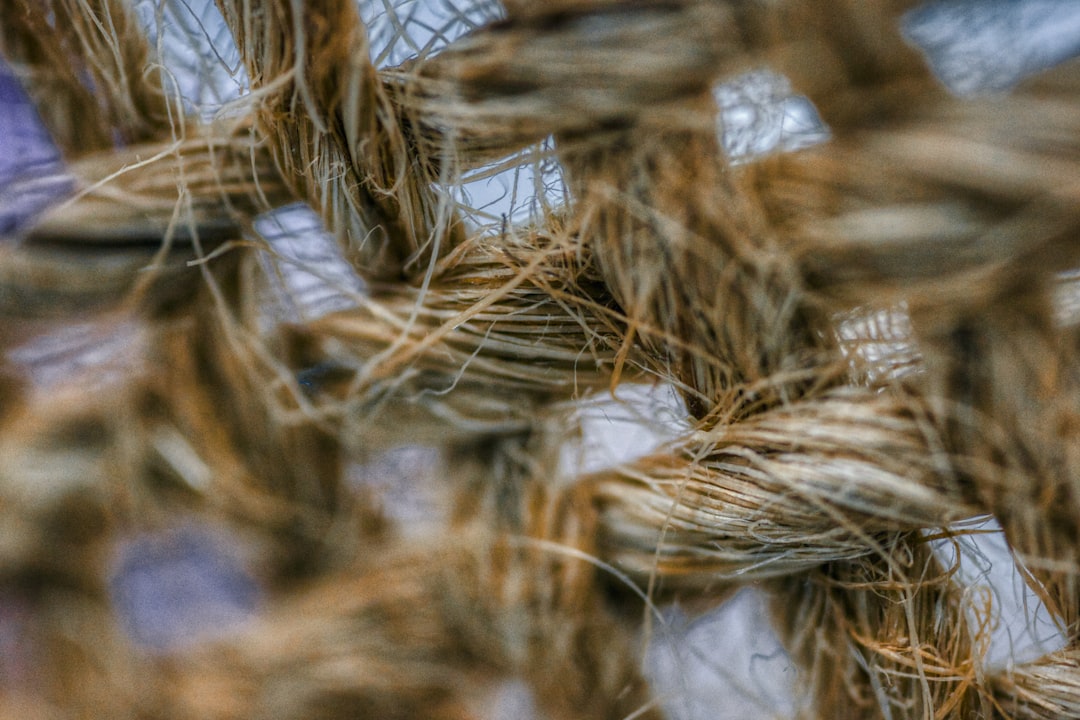 Photo by Thomas Kinto on Unsplash
From Field to Fiber: How Hemp Becomes Fabric
To understand why hemp performs the way it does, it helps to know its origin story. Hemp fabric comes from the stalks of the Cannabis sativa plant, specifically bred for industrial use with minimal THC. Unlike cotton, where we harvest the fluffy bolls, or linen from flax stems, hemp utilizes the entire stalk’s fibrous strength.
The process begins with retting, where stalks are left in fields (dew retting) or water tanks (water retting) to allow microbes to break down the pectin binding the fibers. The fibers are then separated from the woody core through a process called decortication. What remains are long, incredibly strong bast fibers. These are then combed (heckled), spun into yarn, and woven or knitted into fabric.
This traditional, mechanical process is key to hemp’s eco-credentials. However, modern variations exist. A cottonized hemp process uses more chemical or enzymatic treatment to break down the fibers, making them softer and finer from the first wear, more closely mimicking the feel of cotton. The trade-off is often a slight reduction in ultimate durability and a higher environmental processing footprint.
The takeaway? Not all hemp feels the same. The texture can range from a crisp, linen-like weave to a soft, brushed jersey, depending on how the fibers are processed and spun. This versatility is what makes it suitable for everything from structured jackets to the softest t-shirts.
The Sustainable Case: Why Hemp Is a Heavyweight for the Planet
When we talk about a fabric being sustainable, we must look at its entire lifecycle—from farming to disposal. This is where hemp’s natural advantages become compelling.
Agricultural Superpowers: Hemp is a remarkably efficient and restorative crop. It requires significantly less water than conventional cotton—about half, by most estimates. It grows densely, suppressing weeds naturally, and is highly pest-resistant, drastically reducing the need for pesticides and herbicides. In fact, it can help clean soil through a process called phytoremediation. It also has a short growing cycle (about 3-4 months) and yields more fiber per acre than cotton or flax.
Processing and End-of-Life: When processed using traditional mechanical methods, the environmental impact remains low. The resulting organic hemp fiber is fully biodegradable and compostable, assuming no synthetic blends or chemical dyes interfere. This closes the loop, contrasting sharply with synthetic fabrics that shed microplastics and linger in landfills for centuries.
A Note on Water and Chemicals: While hemp farming is low-water, the fabric production phase can be water-intensive, particularly during retting and dyeing. This is a critical point often glossed over. The most responsible brands use closed-loop water systems and low-impact, OEKO-TEX certified dyes to mitigate this. The sustainability claim isn’t automatic; it depends on responsible manufacturing practices.
| Material | Water Usage (Growing) | Pesticide Use | Fiber Yield per Acre | Biodegradable? |
|---|---|---|---|---|
| Hemp | Low | Very Low | High | Yes (if untreated) |
| Conventional Cotton | Very High | High | Moderate | Yes (but often pesticide-laden) |
| Organic Cotton | High | None (organic) | Moderate | Yes |
| Linen (Flax) | Low | Low | Moderate | Yes |
| Polyester | None (fossil fuel-based) | N/A | N/A | No (sheds microplastics) |
The Wearer’s Review: Performance, Feel, and Care
So, what’s it actually like to live with hemp clothing? Let’s move past the ecological theory and into the practical, tactile experience.
The Break-In Period & Evolving Softness: This is the most distinctive feature of hemp. New hemp garments, especially those made with minimal processing, can feel stiff or crisp. Unlike cotton, which is soft from the start but degrades, hemp does the opposite. With each wash and wear, the fibers gently break down at a micro-level, “revealing new surfaces” and becoming progressively softer. Within 3-5 washes, a once-crisp shirt transforms into a uniquely soft, lived-in garment that retains its structure. It’s a fabric that ages with you, developing a personal patina.
Durability & Longevity: Hemp fibers are among the strongest natural fibers in the world. This translates to exceptional resistance to pilling, tearing, and abrasion. A hemp t-shirt or pair of trousers won’t thin out at the elbows or knees as quickly as cotton. This inherent strength means garments last for years, even decades with proper care, directly combating the fast-fashion cycle of disposability.
Comfort & Climate Control: Hemp is highly breathable and moisture-wicking. It pulls sweat away from the skin and dries quickly, making it excellent for warm weather and active days. It also has natural antibacterial and UV-resistant properties, reducing odor and offering some sun protection. In blends (like hemp with organic cotton or Tencel), it gains immediate softness while retaining its core strengths.
The Care Routine: Caring for hemp is straightforward and aligns with sustainable laundry practices:
- Wash in cold water to conserve energy and preserve fibers.
- Use a mild, eco-friendly detergent.
- Air-dry whenever possible. Tumble drying on low is acceptable but can increase shrinkage and stiffness. Air-drying enhances its natural, breezy texture.
- You can iron hemp on a medium-hot setting if desired, though many enjoy its natural, slightly rumpled aesthetic.
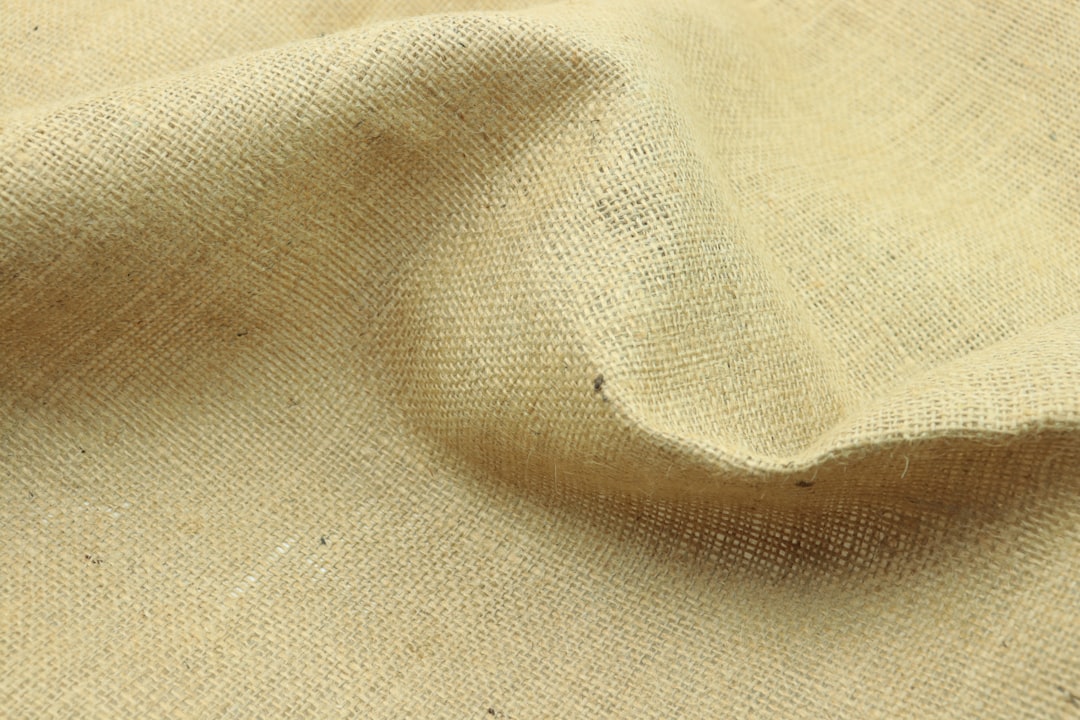 Photo by Divazus Fabric Store on Unsplash
Where Hemp Shines (And Where It Doesn’t)
No material is perfect for every single application. Understanding hemp’s ideal uses and its limitations will help you integrate it wisely into your wardrobe.
Hemp Performs Exceptionally Well For:
- Everyday Basics: T-shirts, tank tops, underwear, and socks (often in blends). Their durability gets tested daily, and hemp rises to the challenge.
- Warm-Weather Staples: Loose-fitting trousers, breezy shirts, dresses, and skirts. Its breathability is a game-changer in summer.
- Denim and Heavyweight Fabrics: Hemp denim or canvas is incredibly durable, breaks in beautifully, and uses less water than traditional cotton denim.
- Layering Pieces: Lightweight hemp sweaters or cardigans provide breathable warmth.
Consider Other Materials When:
- You Need Immediate, Consistent Softness: For baby clothes or loungewear where initial softness is paramount, a pre-softened hemp blend or organic cotton may be preferable.
- You Want a Draping, Silky Feel: Hemp has a beautiful, textured drape but doesn’t possess the fluidity of silk or viscose.
- Budget is the Primary Constraint: Due to smaller-scale, more responsible processing, hemp garments often come at a higher price point than conventional cotton. You’re investing in decades, not seasons.
Navigating Labels and Greenwashing
As hemp gains popularity, marketing claims can get fuzzy. Here’s what to look for and what to question.
Labels & Certifications That Matter:
- Global Organic Textile Standard (GOTS): The gold standard. It certifies the organic status of the fiber and ensures environmentally and socially responsible manufacturing from harvest to finished product.
- OEKO-TEX Standard 100: Ensures the final fabric is tested for a broad list of harmful substances, crucial for understanding dye safety.
- Certified B Corporation: Indicates a brand meets high standards of social and environmental performance.
- “100% Hemp” or “Hemp Blend”: Be specific. A 55% hemp / 45% organic cotton blend offers a fantastic balance of softness and strength.
Claims That Deserve Your Skepticism:
- Vague “Eco-Friendly” or “Sustainable” branding without traceable certifications or transparent supply chain information.
- Unqualified “Water-Free” claims. While growing hemp uses little water, processing it into fabric almost always requires water. Look for brands that specify using closed-loop water systems.
- Focusing solely on the farm while ignoring manufacturing practices. True sustainability encompasses the entire journey.
Where to Start: Three Thoughtful Brands for Hemp Basics
If you’re ready to try hemp, these brands offer well-constructed, transparent options for foundational pieces.
- tentree: Known for its commitment to planting trees, tentree incorporates hemp into many of its casual basics. Their hemp blends are soft from the start and cut in modern, accessible silhouettes, making the transition to the fiber easy. Shop tentree hemp styles
- Patagonia: A pioneer in responsible materials, Patagonia uses hemp extensively in its workwear and casual lines, like the popular Hemp Canvas Pants. They are transparent about their sourcing and focus on durability for the long haul. Explore Patagonia’s hemp collection
- Thought Clothing: This brand excels in creating feminine, flowy styles from sustainable fabrics. Their use of hemp in dresses, blouses, and loungewear showcases its versatility beyond casual basics. Browse Thought’s hemp pieces
Questions to Ask Before You Buy
Before adding a new hemp piece to your cart, pause and consider these questions. The answers will guide you to a purchase that aligns with your values and wardrobe needs.
- What is the specific blend? Is it 100% hemp, or blended with organic cotton, Tencel, or recycled materials? The blend dictates the initial hand-feel, drape, and care requirements.
- How is the hemp processed and dyed? Can the brand provide information on whether they use low-impact dyes or a closed-loop water system? Look for specifics beyond “sustainably made.”
- What certifications does this garment carry? Look for GOTS (for organic integrity through production) or OEKO-TEX (for chemical safety) on the product page or hangtag.
- Does the cut and style suit hemp’s properties? Is this a piece that will benefit from hemp’s breathability and structure (like a shirt or trousers), or are you forcing it into a role better served by another fabric?
- Am I prepared for the break-in period? Are you willing to wear it a few times, through a few washes, to unlock its ultimate softness, or do you need it to be perfectly soft from day one?
- Does this fill a genuine, long-term need in my wardrobe? Hemp’s greatest strength is its longevity. The most sustainable garment is the one you’ll wear for years. Does this piece fit seamlessly into your existing capsule wardrobe and personal style?
Hemp fabric isn’t a magical cure-all for fashion’s environmental impact, but it is a profoundly practical tool. It asks for a slight shift in expectation—to value evolution over instant gratification, and to invest in resilience over replacement. For the daily uniform that forms the quiet backbone of your style, that’s a trade-off worth making.