You love the look of linen—the effortless drape, the lived-in texture, the cool, breathable feel against your skin. You invested in a piece that promised to be a cornerstone of your conscious wardrobe. Then, you washed it. What came out of the machine was a stiff, shrunken, hopelessly wrinkled version of its former self. The shape was distorted, the soft hand-feel was gone, and the elegant drape now resembled a crumpled paper bag. This isn’t a minor laundry mishap; it feels like a betrayal of the very qualities that made you choose linen in the first place.
The mistake most of us make is treating linen like any other cotton in our closet. We assume it can withstand the same hot washes, aggressive spins, and high-heat drying. But linen, a bast fiber derived from the flax plant, has its own personality. It’s strong yet delicate, naturally textured yet prone to harsh creasing, and it softens beautifully with age—but only if you guide it in the right direction. Proper care isn’t about coddling; it’s about understanding the fiber’s nature to preserve the investment and the intention behind your purchase.
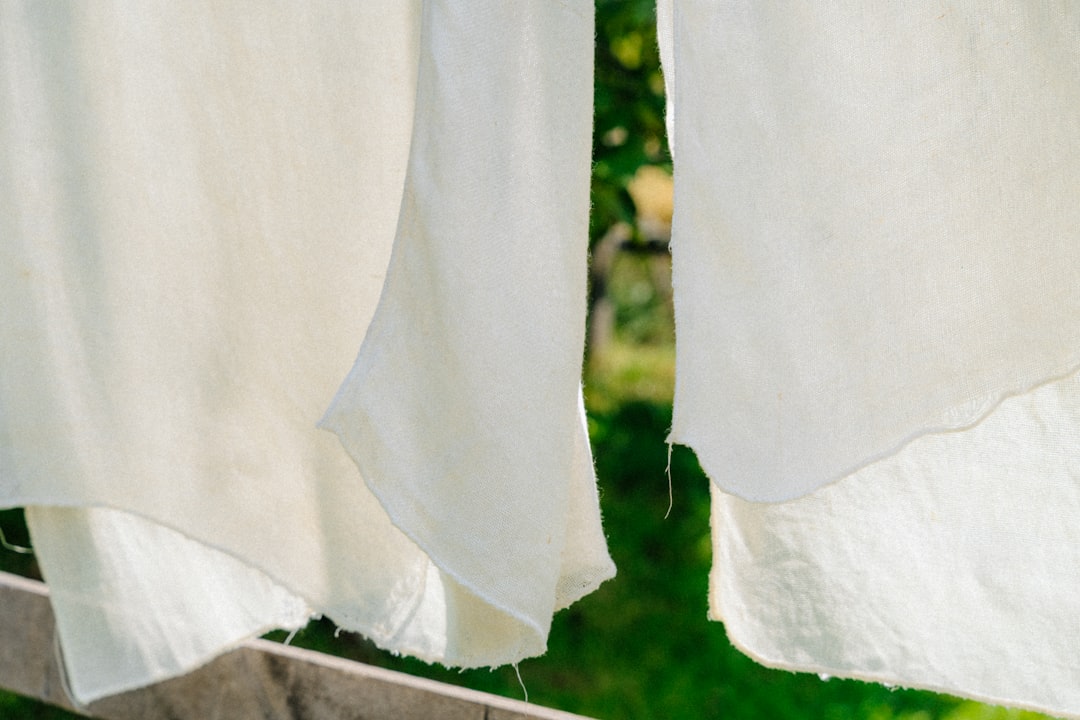 Photo by Mathias Reding on Unsplash
The Pre-Wash Protocol: Setting the Stage for Success
Care for linen begins long before the wash cycle starts. A few mindful steps can prevent the most common disasters and extend the life of your garment exponentially.
Read the Care Label, Then Read Between the Lines. The label is your first authority, but it offers a baseline. “Machine wash cold” is a good start, but it doesn’t tell you to use a gentle cycle, a low spin speed, or to wash the item inside out. Treat the label as the rule, and add these linen-specific best practices as the guiding principles.
The Stain Pre-Treatment Mandate. Linen, especially in lighter colors, can be prone to staining. The golden rule: treat stains immediately. For oil-based stains (salad dressing, sunscreen), sprinkle a bit of cornstarch or talc to absorb the oil before brushing it off. For water-based stains (wine, coffee), gently blot (don’t rub) with cool water. For a general, gentle pre-treatment, consider a paste of mild detergent and water applied directly to the stain, letting it sit for 15 minutes before washing. Avoid harsh stain removers with bleach or heavy enzymes on colored linen, as they can damage the fibers and cause discoloration.
Sort with Intention. Wash linen with like colors and similar fabrics. A heavy linen dress can abrade a delicate linen-blouse in the wash. Turn garments inside out to protect the outer surface from friction and fading. Use a mesh laundry bag for smaller or more delicate items like linen camisoles or scarves; this simple tool is one of the most effective for preserving shape and texture.
The Washing Ritual: Gentle Cleansing for Lasting Beauty
This is the moment of truth. Your approach here determines whether your linen emerges refreshed or ruined.
Water Temperature is Your First Lever. Always opt for cool or lukewarm water. Hot water is the primary culprit behind linen shrinkage and can set wrinkles permanently. Cold water is safe and energy-efficient, but lukewarm water can be slightly more effective for releasing oils and dirt without the risks of heat.
Detergent Choice Matters. Skip the heavy-duty detergents packed with brighteners, bleach, and fabric softeners. These chemicals can break down linen fibers over time, leaving them brittle and dull. Instead, choose a mild, liquid detergent. Look for plant-based formulas or those labeled for delicates. Powder detergents can sometimes leave residues on textured linen. Fabric softener is a definite no; it coats the fibers, diminishing linen’s natural absorbency and breathability. The softness you want comes from proper washing and drying, not from chemicals.
Machine Wash vs. Hand Wash: Choosing Your Method.
- Machine Washing: Use the gentle or delicate cycle. The most critical setting is the spin speed. Select the lowest spin option available (often 400-600 RPM). A high-speed spin will torque the wet fibers into deep, set wrinkles. Start the cycle, then pause it once the drum is filled with water and the agitation has begun. Let the linen soak for 10-15 minutes. This allows the detergent to lift dirt without aggressive mechanical action. Then, restart the cycle to complete.
- Hand Washing: This is the gold standard for preserving linen. Fill a clean basin or sink with lukewarm water and a small amount of mild detergent. Submerge the garment and gently agitate it with your hands, using a careful swishing motion. Never twist, wring, or scrub the fabric. Let it soak for up to 30 minutes, then drain the soapy water. Refill with clean, cool water and rinse until the water runs clear, again using a gentle swish.
The Drying Doctrine: Where Shape and Texture Are Forged
How you dry linen is arguably more important than how you wash it. This stage defines its final hand-feel and silhouette.
The No-Wring Rule. However you wash it, never twist or aggressively wring out excess water from linen. This stretches the fibers out of shape and creates intense wrinkles. Instead, press the water out by rolling the garment in a clean, absorbent towel. Lay the linen flat on the towel, roll it up tightly, and gently press. The towel will absorb a significant amount of moisture.
Air-Drying: The Non-Negotiable Ideal. Lay flat or hang dry—this is the mantra. For structured pieces like blazers, tailored shirts, or dresses, lay-flat drying is essential to maintain the shoulder seams and overall shape. Use a drying rack or a clean, dry towel on a flat surface, reshaping the garment gently as you lay it down.
For less structured items like loose pants, skirts, or tunics, you can hang dry. Use a padded hanger to prevent shoulder bumps. While some sources recommend line-drying in the sun for bleaching, prolonged direct sunlight can actually weaken linen fibers over time and cause colors to fade. Opt for a shaded, well-ventilated area indoors or outdoors.
The Tumble Dryer: A Calculated Risk. If you must use a dryer, it should be an exception, not the rule. Use only the lowest heat setting or an air-only (no heat) cycle. Place the linen in the dryer while still quite damp, and add a few clean, dry towels to help absorb moisture and reduce tumbling time. Remove the linen while it is still slightly damp. This is the single most important step to avoid a crumpled, stiff mess. The residual moisture makes it easier to smooth out wrinkles and reshape the garment for final air-drying.
The Wrinkle Management & Rescue Playbook
Linen will wrinkle. It’s a feature, not a bug—a sign of its natural fiber origin. The goal isn’t a sterile, crisp finish, but a soft, lived-in elegance free of harsh, set creases.
For Everyday Wear: Embrace the gentle rumple. If you desire a smoother look, hang the garment in the bathroom while you take a hot shower. The steam will relax the fibers. You can also use a handheld steamer, holding it a few inches from the fabric and moving in downward strokes. Steamers are gentler than irons and less likely to create sharp, unnatural creases.
For Deep Wrinkles or Post-Wash: If your linen has dried with stubborn wrinkles, lightly mist it with water using a spray bottle. Gently smooth and tug the fabric with your hands along its natural grain, then hang it up or lay it flat to air dry. This reactivates the fibers and allows them to relax into a smoother state.
Ironing as a Last Resort. If you must iron, do so while the linen is still slightly damp. Use a medium-to-high heat setting and always iron on the right side of the fabric with a pressing cloth, or on the wrong side without one. Never leave the iron in one place; keep it moving. For an even smoother finish, you can use a bit of starch, but this will alter the natural, dry hand-feel of the linen.
 Photo by Dan Burton on Unsplash
When to Mend, When to Let Go
Even with perfect care, linen ages. But aging gracefully is the goal. Pilling is rare with high-quality linen, but you may see slight fraying at seams or cuffs over many years. These are often simple to mend with a needle and thread, reinforcing a seam or closing a small hole. This visible mending can add character and narrative to a cherished piece.
However, replacement may be justified if the fabric has become irreparably thin and threadbare from overwashing (often in harsh conditions), or if it has shrunk severely and can no longer be worn. Before you recycle or compost a linen item, consider if it can be repurposed into cleaning cloths, napkins, or patch material for other projects.
When it is time for a new piece, apply the same discerning eye you would to secondhand shopping or choosing ethical basics. Look for brands that pre-wash their linen (like Asket, noted in our research), as this minimizes future shrinkage. Consider linen blends for different properties; a linen-cotton blend may wrinkle slightly less, while a linen-Tencel blend might have a silkier drape. For a deeper dive into how linen compares to another popular summer fabric, our guide on Tencel vs. Linen for Summer Dresses breaks down the sustainability and style trade-offs.
The Care Routine Worth Keeping
Linen asks for a little more mindfulness than a load of synthetic blends, but what it gives in return is longevity, evolving beauty, and a tangible connection to a natural material. This routine isn’t a burdensome chore, but a rhythmic practice that honors the integrity of your wardrobe. It’s the antithesis of the fast-fashion cycle of wear, ruin, and discard.
Start by choosing one cherished linen item—the shirt you live in every summer, the dress that makes you feel effortlessly put-together. Wash it by hand this time. Feel the weight of the waterlogged fabric, notice how the color deepens. Lay it flat with care, smoothing the seams. When it’s dry, observe the difference in softness, the gentleness of the wrinkles. This tactile process transforms laundry from a background task into a small, sustaining ritual for the things you love most. That is the true shape of a conscious wardrobe.