The Care Playbook for Linen: How to Wash, Dry, and Store Without Turning Your Favorite Pieces Into a Wrinkled Mess
You bought the linen shirt because you wanted to look effortlessly put-together. Instead, you look like you slept in it. Then ironed it. Then slept in it again.
This is the linen paradox everyone discovers within three wears: no fabric breathes better in a heatwave, no fabric develops that quiet, lived-in elegance over time, and no fabric seems to actively conspire against you the moment you sit down in a chair with a backrest. The wrinkles appear before you’ve finished your coffee.
The mistake most readers make isn’t buying linen—it’s treating linen like cotton. Linen is flax, not cotton. It’s a bast fiber with hollow, irregularly-shaped cells that create natural creases as part of its structure. Those wrinkles aren’t a sign of poor care; they’re the fabric announcing what it is. But there’s a wide gap between the intentional, soft rumple of well-cared-for linen and the chaotic, crushed look of linen that’s been abused in a hot dryer.
Here’s how to close that gap.
Why Linen Wrinkles (And Why You Should Stop Fighting It)
Linen fibers have a low elasticity compared to cotton or synthetic blends. When you bend your elbow, the fibers at the joint crease and stay creased because they lack the spring-back memory of polyester or even good-quality cotton. This isn’t a flaw—it’s the physical property that makes linen so breathable. Those hollow fibers allow air to circulate, which is why linen keeps you cool when it’s 32°C and humid.
The problem is that most care routines are designed for fabrics that want to lie flat. Linen doesn’t. Understanding this changes everything about how you approach washing, drying, and especially storing your linen pieces.
The goal isn’t a crisp, ironed-flat finish that will wrinkle the second you move. The goal is a controlled, even rumple that looks intentional rather than accidental. There’s a difference between linen that looks like it’s been worn with purpose and linen that looks like it was retrieved from the bottom of a gym bag.
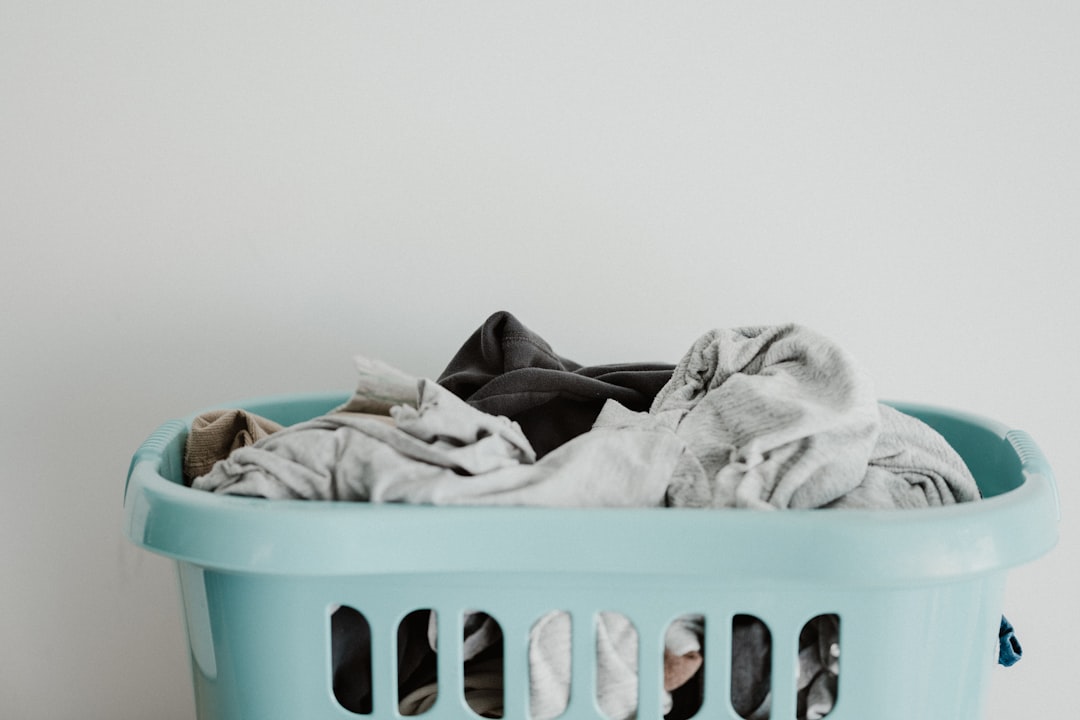 Photo by Annie Spratt on Unsplash
The Prevention Phase: Buying Linen That Works With You, Not Against You
Before we get to washing, let’s talk about what you’re bringing home. Not all linen is created equal, and the fabric’s weight and weave determine how much wrangling you’ll need to do.
Weight matters more than you think
Lightweight linen (under 150 gsm) wrinkles aggressively. It’s the linen of floaty summer dresses and sheer shirts that look like tissue paper after one wear. Medium-weight linen (150–200 gsm) is the sweet spot for most wardrobes—it drapes well, breathes, and wrinkles with more structure. Heavyweight linen (200+ gsm) is what you want for blazers, structured trousers, and outerwear. It holds its shape better and shows fewer creases.
When shopping, check the product details for weight. If a brand doesn’t list it, look at the drape in photos. Fabric that hangs rather than floats will be easier to maintain.
Weave determines wrinkle behavior
Plain-weave linen shows every fold and crease. Twill-weave linen (diagonal ribbing) hides wrinkles better because the texture breaks up the visual lines. Slub linen—the kind with those irregular thicker threads—also masks creases because the surface is already textured.
If you’re building a capsule wardrobe where linen pieces need to work hard, prioritize twill or slub weaves for trousers and skirts. Reserve plain-weave for pieces you’re willing to iron or steam more frequently.
Pre-washing: the step most people skip
New linen often has a factory finish called sizing—a starch-like coating that makes the fabric look crisp on the rack. This finish traps wrinkles in a particular way that’s different from how the bare fiber behaves. Wash new linen before you wear it, even if it says “pre-washed.” Use cold water, a mild detergent, and skip the fabric softener (more on why in a moment). This first wash removes the sizing and lets the fabric relax into its natural state. You might be surprised at how much softer and less aggressively wrinkly it becomes.
The Step-by-Step Wash and Dry Routine
Here’s the core method that will keep your linen looking like linen rather than like a crumpled receipt.
Washing: cold water, gentle cycle, low spin
Machine wash your linen on cold (30°C or below) with a gentle or delicate cycle. The cold water preserves the fiber structure—heat is what sets wrinkles permanently. If your machine has a low-spin option, use it. High spin speeds wring the fabric into tight creases that are difficult to remove.
Hand washing is gentler but not always necessary. If you hand wash, submerge the garment in lukewarm water and let it soak for about 10 minutes. Swish gently—don’t scrub, twist, or wring. Agitation creates wrinkles. Soaking allows dirt to release without mechanical stress.
Detergent: mild, liquid, and never fabric softener
Use a mild liquid detergent. Powders can leave residue in the hollow linen fibers, making the fabric feel stiff and trapping wrinkles. Avoid bleach and optical brighteners—they weaken flax fibers over time.
Fabric softener is the enemy of linen. It coats the fibers with a waxy film that reduces breathability and actually makes wrinkles set harder because the fibers can’t move naturally. If you want softness, add half a cup of white vinegar to the rinse cycle. It removes detergent residue and softens without coating.
Drying: the critical intervention
This is where most linen damage happens. High heat in a dryer shrinks and sets wrinkles permanently. But you don’t have to line-dry everything if you’re strategic.
For machine drying: Use low heat or air-fluff only. Remove the garment while it’s still slightly damp—not wet, but not fully dry. The residual moisture allows wrinkles to fall out naturally. If you let linen dry completely in the machine, those creases are baked in.
For line drying: Shake the garment vigorously before hanging. Smooth seams and collars with your hands. Hang on a padded hanger or fold over a drying rack to avoid shoulder dimples. Avoid clothespins that leave pinch marks. If you’re drying outdoors, bring the garment in before it’s bone-dry—sun and wind can over-dry linen, making it stiff and prone to deeper creases.
The twist trick for controlled texture: If you want that intentional, slightly twisted look that some linen lovers actually seek, take the top and bottom of the damp garment and twist them in opposite directions before hanging. This creates soft, even wrinkles that look deliberate rather than chaotic. It’s a styling choice, not a rescue method.
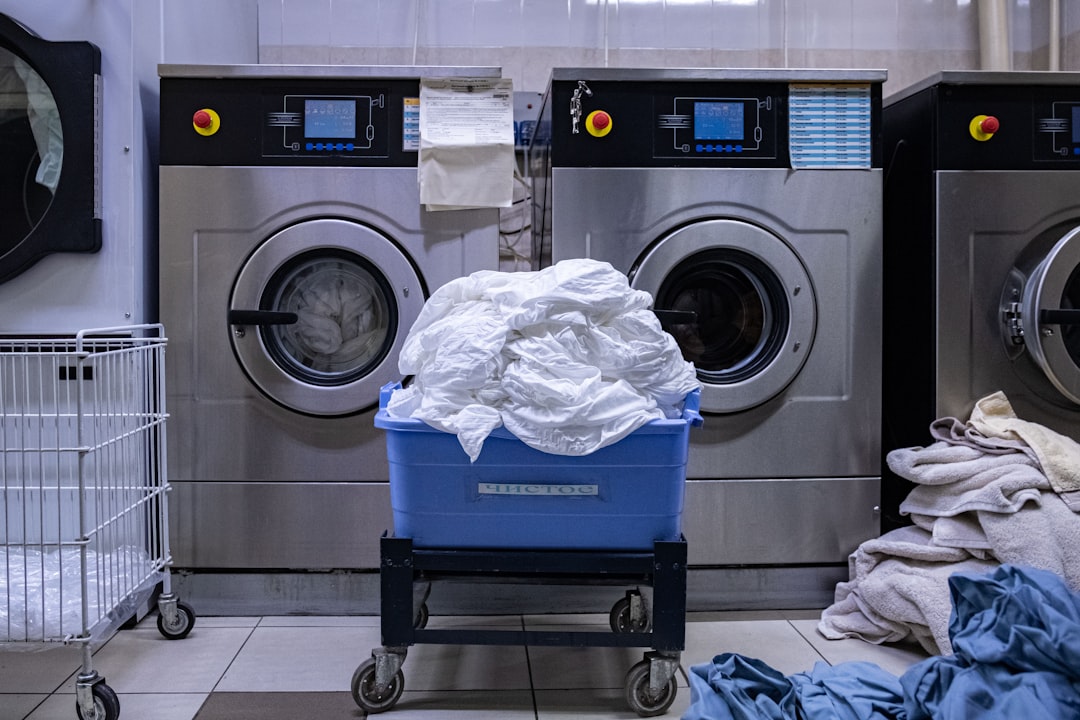 Photo by Anton Savinov on Unsplash
Ironing and steaming: when and how
You can skip ironing linen entirely if you embrace the rumple. But if you want a crisper look for an event or a work setting, here’s the method that doesn’t waste your time:
Iron linen while it’s still slightly damp. Set your iron to the linen or high-cotton setting. Use steam. Iron on the wrong side of the fabric for most pieces to avoid shine marks. For collars and cuffs, iron on the right side with a pressing cloth between the iron and the fabric.
Steaming is gentler and faster for everyday maintenance. A handheld steamer can smooth out the worst creases in about 30 seconds per garment. The key is to steam while the garment is hanging, pull the fabric taut with your free hand, and let the steam do the work. Don’t press the steamer head directly into the fabric—hover and let the steam penetrate.
The reality check: Even if you iron or steam perfectly, your linen will wrinkle within minutes of wearing. This isn’t failure. This is linen. The trick is to accept a baseline level of creasing and only intervene when you want a specific look.
Rescue Tactics: What to Do When Things Go Wrong
You forgot the linen shirt in the dryer. It came out looking like origami. Don’t panic.
The damp towel method
Lay the wrinkled garment flat on a clean, damp towel. Roll the towel up with the garment inside, like a jelly roll. Let it sit for 15–20 minutes. The moisture transfers evenly into the fabric, relaxing the set wrinkles. Unroll, shake out, and either hang to finish drying or steam lightly.
The shower steam hack
Hang the wrinkled linen in your bathroom while you take a hot shower. Close the door and windows. The steam will relax most wrinkles within 10–15 minutes. This works best for lightweight and medium-weight linen. Heavyweight pieces may need more direct steam afterward.
The re-wash shortcut
If the wrinkles are set deep and won’t budge, re-wash on cold with a low spin. The agitation and moisture will release the creases. Dry correctly this time—low heat, remove while damp. Consider it a do-over rather than a failure.
Stubborn creases in collars and cuffs
Mix equal parts white vinegar and water. Dab the crease with the solution, then iron with steam. The vinegar helps relax the fiber without damaging it. Rinse lightly afterward if the smell bothers you—it dissipates quickly.
Storage: The Silent Wrinkle Creator
How you store linen between wears matters as much as how you wash it. Improper storage creates permanent creases that no amount of steaming can fully remove.
Hanging vs. folding
Heavy linen (blazers, structured trousers, dresses with weight) should be hung on wide, padded hangers. Avoid wire hangers—they create shoulder dimples that become permanent over time.
Lightweight linen (shirts, summer dresses, soft trousers) is better folded. The weight of hanging can stretch lightweight linen out of shape, especially when the fabric is slightly damp from wear. Fold along the natural crease lines and store on a shelf or in a drawer.
The breathing room rule
Linen needs air circulation. Don’t cram linen pieces together in a packed closet or drawer. The pressure creates creases that set over time. Give each piece enough space to hang or lie flat without being crushed by neighboring garments.
Seasonal storage
When storing linen for the off-season, wash and dry it thoroughly first. Any residual body oil or sweat will yellow the fabric over months of storage. Fold with acid-free tissue paper between layers to prevent crease transfer. Store in a cotton garment bag or a breathable bin—plastic traps moisture and can cause mildew.
If you’re rotating your wardrobe seasonally, consider how your 30-day outfit rotation might need to account for linen’s specific storage needs between wears.
The Care Routine Worth Keeping
After all the washing, drying, steaming, and storing, here’s the honest truth: linen will never look like polyester. It will never hold a knife-sharp crease through an eight-hour workday. That’s not a limitation—it’s the entire point.
The women who look best in linen aren’t the ones who iron obsessively. They’re the ones who accept that linen has its own language and learn to speak it. They buy medium-weight twill for trousers they want to wear to meetings. They keep a handheld steamer by the bedroom door for quick touch-ups. They wash on cold, dry on low, and remove while damp. They know that a few soft wrinkles are the fabric saying “I’m natural, I’m breathable, and I’ve been worn by someone who has places to be.”
The care routine worth keeping isn’t about eliminating wrinkles. It’s about controlling them—choosing which wrinkles stay and which ones go. It’s about knowing that your linen shirt will look better in year three than it did in year one, because the fibers will have softened and relaxed into something that drapes like a second skin.
Wash cold. Dry low. Remove damp. Store with space. And when someone comments on your wrinkled sleeve, tell them it’s supposed to look like that. It is.
For more on caring for natural fibers, read How to Read a Garment Care Label Like a Pro and How to Repair a Silk Blouse Like a Pro.