You are standing in a dressing room, sweating through a cotton sundress that clings in all the wrong places. The salesperson promises it will “breathe.” Your body disagrees. You put it back, reach for a linen option, and pause. You have heard linen is the sustainable choice. You have also heard it wrinkles if you look at it wrong. And you have definitely wondered whether the flax plant is actually better for the planet than cotton, or if that is just clever marketing.
This is the moment where most of us make a choice based on a vague feeling rather than real information. Linen has a halo of eco-credibility, but that halo can obscure real trade-offs. So let’s strip it down. What is linen, how does it actually perform in a summer dress or a basic top, and is it truly the most sustainable option for the heat?
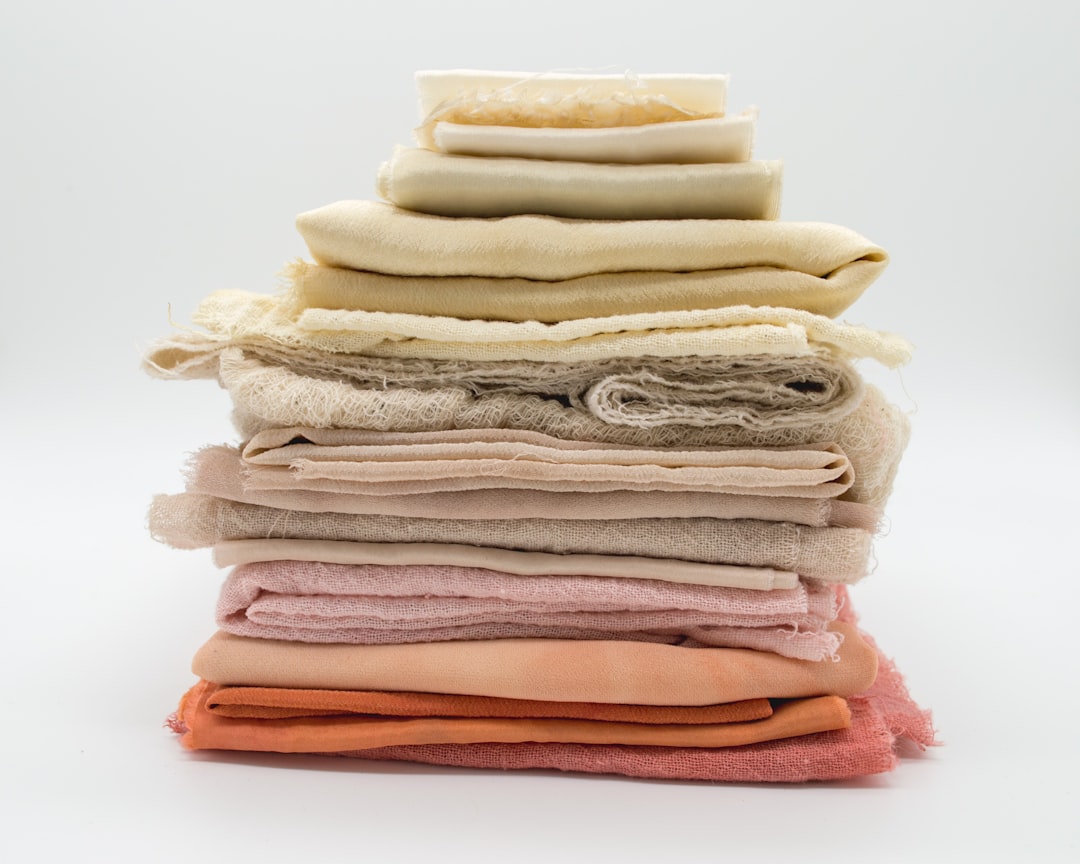 Photo by Mel Poole on Unsplash
What Linen Actually Is (And Why the Flax Plant Matters)
Linen comes from the flax plant (Linum usitatissimum), and that origin story is the root of nearly every sustainability claim attached to the fabric. Flax is a remarkably low-maintenance crop. It grows in poor soil, requires little to no irrigation in most climates, and does not need synthetic fertilizers or pesticides to thrive. In fact, flax is often grown as a rotation crop to improve soil health for the grains that follow it.
This is where linen’s environmental advantage begins. Cotton, by contrast, is a thirsty, needy plant. Conventional cotton farming accounts for roughly 2.5% of the world’s agricultural land but uses 16% of all insecticides. Flax sidesteps that entire problem. The plant’s natural resilience means organic certification is less of a battlefield for linen than it is for cotton, though organic linen does exist and is worth seeking out.
The fiber itself is a long, smooth bast fiber—meaning it comes from the stem of the plant, not the seed pod or leaf. Those long fibers are what give linen its signature qualities: strength, breathability, and that unmistakable texture. When you see linen described as “durable,” this is why. A single flax fiber is stronger than cotton and gets stronger when wet, which explains why linen garments can outlast cotton equivalents by years if cared for properly.
Where Linen Excels (And Where It Falls Short)
The Performance Wins
Linen’s reputation as a summer fabric is not hype. The hollow structure of flax fibers allows air to circulate freely, which means your body heat escapes rather than getting trapped against your skin. That is why a linen dress feels cooler than a cotton one of the same weight. Linen also wicks moisture away from the body and dries quickly, making it ideal for sticky, humid days.
There is also a longevity argument that deserves attention. Linen softens with washing rather than degrading. A well-made linen dress from a brand like AFFILIATE_LINK_FARM_RIO or AFFILIATE_LINK_NOT_PERFECT_LINEN will look better after its twentieth wear than its first. The fibers relax, the fabric drapes differently, and the color takes on a lived-in depth that synthetic fabrics cannot replicate.
The Real Trade-Offs
The wrinkles. Yes, linen wrinkles. But the degree of wrinkling depends heavily on the weave and weight of the fabric. A heavy, loosely woven linen will crease dramatically. A finer, tighter weave—sometimes called “linen-cotton blend” or “linen-viscose blend”—will hold its shape better. If you hate ironing, look for linen garments labeled “pre-washed” or “stonewashed,” which have been treated to soften the fiber and reduce future wrinkling.
Linen also has limited elasticity. It does not stretch to accommodate movement the way a cotton jersey or a wool blend does. That means a linen dress with no waist seam or darting can feel boxy, and a linen top with no elastane may pull across the shoulders. This is not a flaw if the garment is cut well, but it does mean fit matters more than fabric alone.
Another trade-off is cost. High-quality linen is expensive to produce because the fibers must be harvested, retted (soaked to separate the fiber from the stalk), and spun by skilled hands. Cheap linen—the kind you find at fast-fashion retailers for under $40—is often made from shorter, lower-grade fibers that pill and lose shape within a season. That price tag is a signal, not a bargain.
How Linen Compares to Other Summer Fabrics
You have options. Cotton, hemp, ramie, TENCEL Lyocell, and modal all compete for space in your summer wardrobe. The table below shows where each fabric lands on the key metrics that matter for a conscious shopper.
| Fabric | Water Use | Pesticide Need | Breathability | Durability | Biodegradability | Wrinkle Resistance |
|---|---|---|---|---|---|---|
| Linen (flax) | Very low | Very low | Excellent | High | Full | Low |
| Cotton (conventional) | Very high | High | Good | Moderate | Full | Moderate |
| Cotton (organic) | High | None | Good | Moderate | Full | Moderate |
| Hemp | Very low | Very low | Excellent | Very high | Full | Low |
| Ramie | Low | Low | Good | High | Full | Low |
| TENCEL Lyocell | Low (closed-loop) | N/A (wood pulp) | Good | Moderate | Full (semi-synthetic) | High |
| Modal | Moderate | N/A | Moderate | Low | Full | High |
The short version: hemp is linen’s closest competitor. It uses even less water, grows in more climates, and produces a fabric that is slightly stronger. But hemp is less common in ready-to-wear dresses and basics, and the texture is coarser unless blended. TENCEL Lyocell is the wrinkle-free winner but comes from wood pulp processed in a factory, which raises questions about forestry practices and chemical transparency. Cotton is the baseline, but its water footprint is punishing.
Linen occupies a sweet spot: it is plant-based, low-input, and widely available in garment forms that women actually want to wear. That availability matters. A sustainable fabric you never buy because you cannot find it in a cut you like is not a sustainable choice at all.
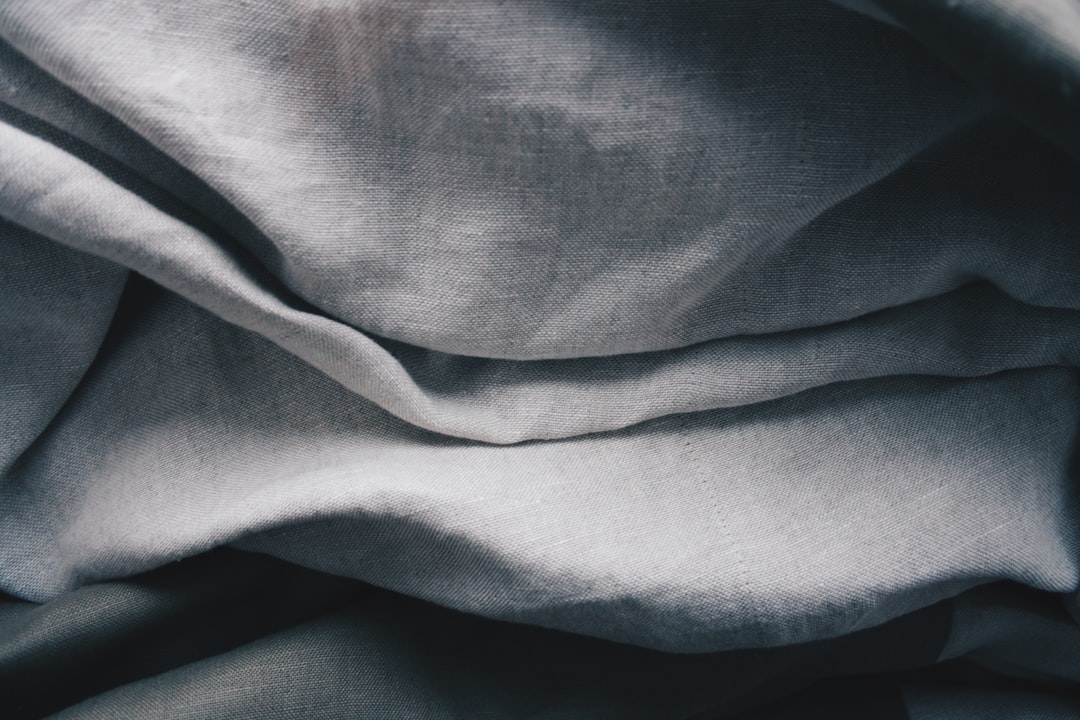 Photo by Luca Laurence on Unsplash
The Claims That Deserve Skepticism
The fashion industry loves a good sustainability story, and linen is a great one. But not every linen garment earns the halo it wears.
“100% Linen” is not a guarantee of quality. It simply means no other fibers are present. A 100% linen dress made from short, poorly spun fibers will pill, fade, and lose shape faster than a linen-cotton blend made from long-staple fibers. Look for terms like “long-staple flax,” “Belgian flax,” or “Irish linen” on the label. These indicate higher-quality raw material.
“Organic Linen” is a real certification, but it is less impactful for linen than for cotton. Because flax already requires few inputs, the organic label matters most for soil health and biodiversity rather than for reducing chemical exposure. If you see organic linen at a steep premium, ask yourself whether the price reflects the certification cost or genuine farming differences.
“Linen” from fast fashion is often a marketing trick. Some brands label garments as “linen” when the fabric contains as little as 30% flax, blended with polyester or viscose to reduce cost and wrinkling. Check the fiber content tag. If it says “55% linen, 45% rayon,” you are buying a synthetic blend that will not breathe like linen and will not biodegrade like linen.
“Pre-washed” or “stonewashed” is a finish, not a fiber quality. It can make lower-grade linen feel softer initially, but it also accelerates wear. A pre-washed linen garment may look beautifully lived-in after one wash, but it may also develop holes or thinning within a year. The trade-off is yours to make, but know what you are choosing.
Questions to Ask Before You Buy
Before you add another linen piece to your wardrobe, run it through these checks. They will save you money, closet space, and the frustration of a garment that disappoints.
1. What percentage of this garment is actually flax? Look at the fiber content label. Aim for at least 70% flax if you want the breathability and biodegradability benefits. Below that, you are buying a blend that behaves differently.
2. Where was the flax grown and processed? European flax (especially from France, Belgium, and the Netherlands) is generally grown with higher environmental standards and better fiber quality than flax from China or India. Some brands disclose this on their website or hangtag. If they do not, ask.
3. How is the garment cut? Linen needs room to breathe. A fitted linen dress with no stretch will pull at the seams and wrinkle aggressively at the waist. Look for A-line cuts, dropped shoulders, or elasticated waistbands that work with the fabric rather than against it.
4. What is the care instruction? If the tag says “dry clean only” on a linen dress, the fabric may be treated with finishes that complicate its eco-credentials. Linen should be machine washable on a gentle cycle. Dry cleaning uses chemical solvents that are hard on both the garment and the planet.
5. Can I see it in natural light? Linen’s color and texture change dramatically under store lighting. Hold the garment near a window or step outside. Look for uneven dye, thin spots in the weave, and stiffness that suggests chemical finishing. Good linen should feel soft but substantial, not cardboard-like.
The Practical Next Step
You do not need to overhaul your entire wardrobe to make linen work for you. Start with one piece—a dress or a button-down shirt—and wear it through a full summer. Pay attention to how it feels in humidity, how it looks after a full day of sitting, and how it behaves after washing. That one garment will tell you more than any guide can.
If you want to deepen your understanding of how to keep that piece looking its best, read The Care Playbook for Linen. It covers washing, drying, and storage without the drama. And if you are still deciding between linen and other summer fabrics, the comparison of TENCEL Lyocell and viscose may help you understand where semi-synthetics fit into a conscious wardrobe.
Linen is not perfect. No fabric is. But it is one of the few materials that earns its reputation through the entire lifecycle—from a low-input plant in European soil to a garment that gets better with age. The trick is knowing which claims to trust and which to question. Now you do.