You bought the perfect merino wool sweater—maybe from a brand you researched for months, or perhaps a secondhand score that felt like a quiet victory. It’s soft, temperature-regulating, and allegedly odor-resistant. You wore it three times, then tossed it in the washing machine with your usual detergent, hit “normal,” and walked away. When you pulled it out, the sleeves had shrunk by two inches, the fabric had gone fuzzy, and the neckline had stretched into a shape that looked more like a shrug than a sweater. The betrayal felt personal.
This is the mistake nearly every merino owner makes exactly once. The fiber is delicate, but it’s not fragile. The difference between a garment that lasts five years and one that lasts five washes comes down to a few specific choices—water temperature, detergent chemistry, drying method, and storage habits. Merino wool is an investment in a more sustainable wardrobe because it biodegrades naturally and performs better than synthetics across most metrics. But that investment only pays off if you care for it correctly.
Here’s the playbook.
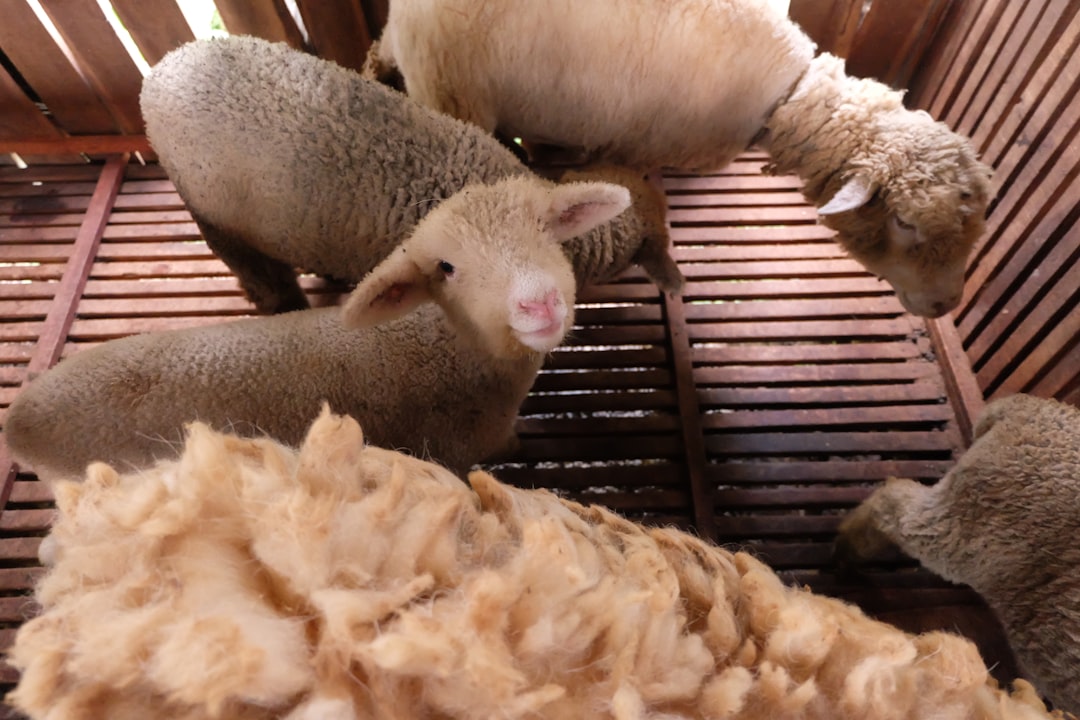 Photo by Qamma Farm on Unsplash
Why Merino Wool Demands a Different Approach Than Cotton or Synthetics
Merino wool fibers are covered in microscopic scales that interlock when exposed to heat, agitation, and alkaline substances—the three ingredients in a standard laundry cycle. This is what causes felting and shrinkage. Unlike cotton, which can handle hot water and aggressive spinning, or polyester, which is essentially plastic and shrugs off most detergents, merino is a protein fiber. It reacts to pH, temperature, and friction in ways that are predictable once you understand them.
The fiber structure of merino is also finer than traditional wool—typically between 15 and 24 microns in diameter. This is what gives it that soft, non-itchy feel against the skin. But that fineness also means it’s more vulnerable to mechanical damage. The same friction that would barely register on a thick wool blanket can cause pilling and fiber breakage on a lightweight merino base layer.
Most merino garments sold today are blended with nylon or elastane to improve durability and stretch. A common blend is 87% merino wool and 13% nylon, which you’ll see in many performance pieces from brands like Icebreaker and Smartwool. These blends are more forgiving than 100% merino, but they still require the same core principles: low heat, mild detergent, and minimal agitation.
The care label on your garment is the starting point, not the final word. Many manufacturers default to conservative recommendations—often “dry clean only”—to avoid liability. But dry cleaning merino is both expensive and unnecessary for most garments. The solvents used in traditional dry cleaning are harsh on protein fibers and can strip the natural lanolin that gives merino its water resistance and softness. Learning to wash merino at home is better for the garment and better for your budget.
The Step-by-Step Washing Protocol
How to Hand Wash Merino Wool
Hand washing is the safest method, and it’s genuinely not as labor-intensive as it sounds. You need a sink or basin, cool or lukewarm water, and a mild detergent. The key word is mild: conventional laundry detergents contain enzymes and optical brighteners that break down protein fibers over time. Look for a detergent specifically formulated for wool, or a plant-based, biodegradable option that’s free of bleach, fabric softeners, and enzymes.
Patagonia’s Storm Merino Wool Wash is a reliable choice if you want something purpose-built. It contains no optical brighteners and is pH-balanced for wool. For a more accessible option, Eucalan and Soak are no-rinse wool washes that work well—you just dilute them in water, soak the garment, and squeeze out the excess without rinsing. No-rinse formulas reduce handling, which means less mechanical stress on the fibers.
The process itself is simple:
- Turn the garment inside out. This protects the outer surface from abrasion during washing.
- Fill your basin with cool water—around 20°C (68°F) is ideal. Hot water triggers the scale interlocking that causes shrinkage.
- Add the detergent according to the package instructions. Swirl it in to distribute.
- Submerge the garment and let it soak for 10 to 20 minutes. For heavily soiled items—say, a base layer worn on a multi-day hike—you can gently agitate the water with your hands every few minutes. Do not rub, wring, or twist the fabric.
- Drain the soapy water and refill the basin with clean cool water. Gently press the garment to push out the soap, then repeat until the water runs clear. If you’re using a no-rinse formula, skip this step.
- Lift the garment out of the water and press it against the side of the basin to remove excess water. Never wring it—wringing distorts the fiber structure and can cause permanent stretching or misshaping.
When and How to Machine Wash
Machine washing is acceptable if you follow strict parameters. Not all washing machines are created equal, and not all merino garments can tolerate it. The safest approach is to use a front-loading machine, which is gentler than a top-loader with a central agitator. If you have a top-loader, consider hand washing instead.
For machine washing:
- Use a mesh laundry bag. This reduces friction against the drum and other garments.
- Select the wool or delicate cycle. These cycles use cooler water (usually 30°C or below) and slower spin speeds.
- Turn the garment inside out.
- Use the same mild detergent you would for hand washing. Do not use fabric softener—it coats the fibers and reduces breathability.
- Wash with similar colors and weights. Don’t toss a merino sweater in with denim or towels, which create abrasion.
- Limit the load size. Overcrowding increases friction and prevents proper rinsing.
Some modern merino blends are surprisingly machine-washable. If your garment’s care label explicitly says “machine washable,” follow the temperature and cycle instructions exactly. But even then, the gentler you are, the longer the garment will last.
Drying: The Most Common Point of Failure
Heat is the enemy of merino wool. High heat causes the fibers to contract and felt, and it can degrade the elastane in blended garments, leading to loss of shape and elasticity. You have two safe options: air drying or low-heat tumble drying.
Air drying is the gold standard. After washing, lay the garment flat on a clean, dry towel. Roll the towel up with the garment inside and press gently to absorb moisture. Then unroll, remove the garment, and lay it flat on a drying rack or a second dry towel. Reshape it to its original dimensions while it’s damp—pay attention to the sleeves, hem, and neckline. Never hang a wet merino garment to dry. Hanging stretches the fabric under its own weight, especially when wet, and can permanently distort the shoulders and hem.
Tumble drying is acceptable if you use the lowest heat setting. Patagonia’s care instructions suggest tumble drying at low temperature, and many merino blends can tolerate this without issue. But it’s a risk. If your dryer runs hot even on low, or if you’re unsure about the garment’s construction, stick with air drying. The few extra hours of drying time are worth the years of extended garment life.
Repair, Stain Removal, and Rescue Tactics
How to Remove Stains From Merino Wool
Merino wool’s natural lanolin coating provides some stain resistance, but spills happen. The golden rule is to act quickly and avoid rubbing, which pushes the stain deeper into the fibers.
For food stains: Blot the area with a clean, damp cloth. If the stain persists, apply a small amount of mild detergent directly to the spot and let it sit for 10 minutes before rinsing with cool water.
For oil-based stains: Sprinkle cornstarch or talcum powder onto the stain to absorb the oil. Let it sit for 30 minutes, then brush off the powder and wash the garment as usual.
For wine or coffee: Blot immediately with a clean cloth. Mix a solution of equal parts cool water and white vinegar, dab it onto the stain, then rinse. Avoid using salt, which can be too abrasive for fine merino fibers.
For sweat or deodorant residue: These stains often appear as yellowing under the arms. Soak the garment in cool water with a small amount of white vinegar for 30 minutes before washing. The vinegar helps break down the alkaline residue from deodorant.
How to Fix Pilling
Pilling is not a sign of poor quality—it’s a natural result of friction. Merino fibers are short and fine, so they’re more prone to pilling than longer-staple wools. The pills are loose fibers that have rolled into small balls on the surface. Removing them is straightforward.
Use a fabric shaver specifically designed for delicates. The Gleener is a popular tool that works on multiple fabric types and has adjustable settings for different pile heights. Run it gently over the pilled areas, being careful not to press too hard or linger in one spot. Do not use a razor blade or scissors—you risk cutting the fabric itself.
To prevent pilling in the future, wash merino garments inside out, avoid wearing them under rough outer layers like unlined backpacks or coarse jackets, and rotate your merino pieces so no single garment gets worn multiple days in a row.
How to Unshrink a Merino Garment
If you’ve already made the mistake of washing in hot water or using the wrong cycle, all is not lost. Unshrinking merino is possible if the fibers haven’t fully felted together. The process works best on garments that have only shrunk slightly—if your sweater is now child-sized, it’s likely beyond rescue.
- Fill a basin with lukewarm water and add a capful of hair conditioner or a small amount of baby shampoo. These products help relax the fibers.
- Submerge the garment and let it soak for 30 minutes.
- Drain the water and gently press out the excess. Do not rinse.
- Lay the garment flat on a towel and roll it up to absorb moisture.
- While the garment is still damp, gently stretch it back to its original dimensions. Work slowly, pulling evenly on all sides. Focus on the length of the sleeves and torso, and the width of the shoulders.
- Let it air dry flat, checking periodically to reshape as needed.
This method works best on 100% merino wool. Blends with high elastane content may not respond as well, since the synthetic fibers have already been altered by the heat.
Storage Strategies for Long-Term Care
How to Store Merino Wool Between Wears
Merino wool has natural antimicrobial properties, which means it doesn’t need to be washed after every wear. In fact, over-washing is one of the fastest ways to shorten its lifespan. Air your merino garments out between uses—hang them on a padded hanger or lay them flat in a well-ventilated area for at least 24 hours before returning them to storage.
For daily storage, fold merino sweaters and base layers rather than hanging them. Hanging can cause the shoulders to stretch and form bumps over time. If you must hang a merino garment, use a wide, padded hanger and fold the garment over the bar rather than hanging it by the shoulders.
Seasonal Storage: The Moth Problem
Moths are the single biggest threat to wool in storage. They’re attracted to the keratin in animal fibers, and they can destroy a sweater in a single season if left unchecked. The key to moth prevention is cleanliness and airflow. Moths lay eggs in soiled wool, so always wash or dry-clean your merino garments before storing them for the season.
Store merino in breathable cotton or linen garment bags, not plastic. Plastic traps moisture, which can cause mildew and yellowing, and it doesn’t prevent moths from getting in. Cedar blocks and lavender sachets are natural moth repellents—they won’t kill existing larvae, but they deter adult moths from laying eggs. Replace the cedar blocks every few months as the scent fades.
If you live in a particularly humid climate, consider adding silica gel packets to your storage containers to absorb excess moisture. Merino can develop mildew if stored in damp conditions.
How to Store Merino for Travel
Merino wool’s odor resistance and quick-drying properties make it ideal for travel. But packing it incorrectly can lead to wrinkles, stretching, and damage. Roll your merino garments rather than folding them—rolling reduces creases and saves space. For lightweight base layers, use packing cubes to keep them separate from heavier items that could cause abrasion.
If you’re traveling for an extended period, bring a small packet of no-rinse wool wash like Soak. You can wash a merino top in a hotel sink, roll it in a towel to dry, and have it ready to wear the next morning. This is one of the reasons merino is so popular among ultralight travelers and minimalists—you can pack three pieces and rotate them for an entire trip.
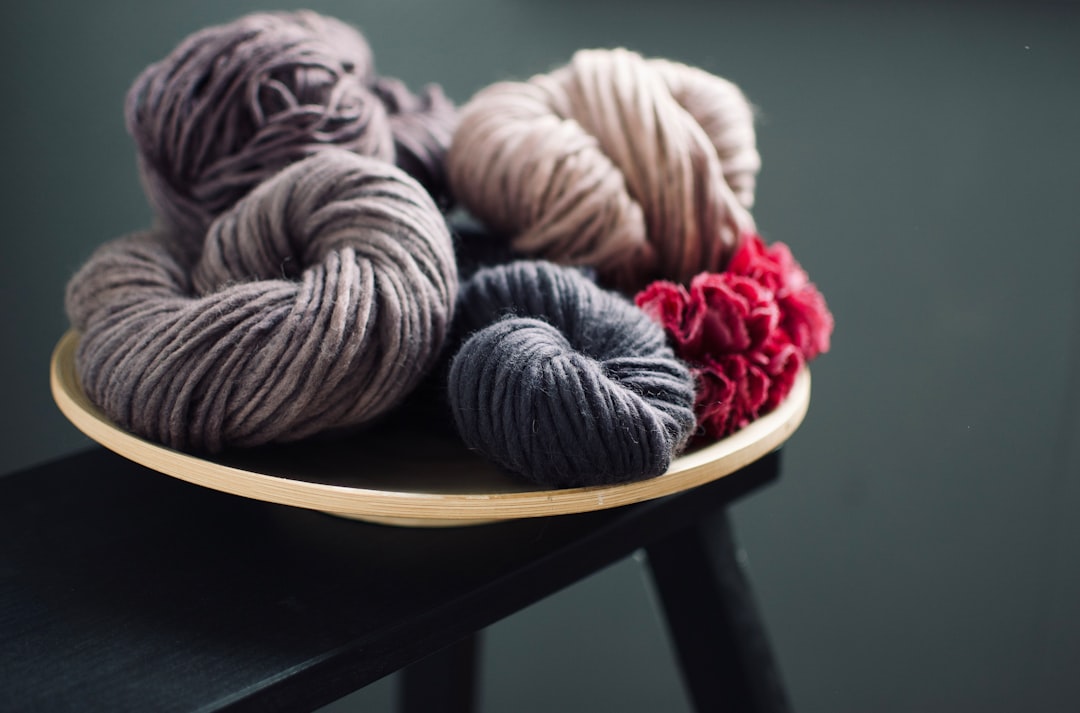 Photo by Soraya García on Unsplash
When Replacement Is Actually Justified
Even with perfect care, merino wool garments don’t last forever. The fibers eventually break down from friction, UV exposure, and the natural wear of being worn against your skin. But many people replace their merino pieces too early, mistaking normal aging for damage.
A garment is ready for replacement when:
- It has developed holes that cannot be visibly mended. Small holes can be darned, but if the fabric is thinning across a large area, the fiber structure is compromised.
- The fabric has become translucent. Merino base layers are meant to be worn under other clothing, but if you can see through them clearly, they’ve lost too much fiber mass.
- The garment has lost its shape permanently. A hem that won’t lie flat, sleeves that are noticeably different lengths, or a neckline that gapes are signs that the fibers have stretched beyond recovery.
- It has been repaired multiple times in the same area. Three patches on one elbow is a sign that the surrounding fabric is also weakening.
When you do replace a merino piece, consider whether you can buy it secondhand. Merino wool is a durable fiber, and many high-quality pieces from brands like Patagonia, Icebreaker, and Smartwool appear regularly on resale platforms. Our secondhand shopping checklist includes specific tips for evaluating used merino—check the seams, look for pilling around the cuffs and collar, and avoid anything that smells musty, which can indicate improper storage.
If you’re buying new, look for brands that offer repair programs. Patagonia’s Worn Wear program repairs their own garments regardless of when you bought them, and they sell certified used merino pieces at a discount. Icebreaker also offers a repair service for their garments. These programs extend the life of your merino pieces well beyond what you’d get from a brand that treats clothing as disposable.
The Care Routine Worth Keeping
Merino wool rewards attention. The difference between a garment that lasts three years and one that lasts a decade is not complicated—it’s a handful of habits that take less than five minutes of active time per wash cycle. Use cool water and mild detergent. Lay flat to dry. Store in breathable bags with cedar blocks. Wash only when truly necessary.
This approach fits naturally into a wardrobe strategy that prioritizes quality over quantity. If you’re building a capsule wardrobe, merino base layers and sweaters are some of the most versatile pieces you can own. They transition across seasons, dress up or down, and pack compactly for travel. Our 3-layer formula for sustainable travel outfits relies heavily on merino pieces for exactly these reasons.
The next time you pull on that merino sweater, you’ll know exactly what it needs to stay in rotation for years. And when you finally do retire it, you can send it off knowing it lived a full life—not because you wore it out, but because you wore it well.