You’ve just finished a sweaty, heart-pumping workout. As you peel off your leggings and sports bra, you feel a familiar mix of satisfaction and a nagging sense of guilt. That high-performance set did its job perfectly—wicking moisture, moving with you, and bouncing back wash after wash. But the tag says “polyester,” and the mental image of plastic bottles piling up in a landfill or microplastics swirling in the ocean starts to dampen your post-exercise glow. You want to make better choices, but when you search for “sustainable activewear,” you’re met with a sea of brands touting “recycled polyester.” Is this the solution you’ve been looking for, or just a cleverly marketed compromise?
This is the modern dilemma for anyone trying to build a conscious wardrobe that doesn’t sacrifice performance. Recycled polyester, often called rPET, is presented as the eco-hero of synthetic fabrics, promising to turn our plastic waste into high-tech gear. But what is it, really? And does its use in your leggings and running tops represent a meaningful step toward sustainability, or does it simply perpetuate a cycle of plastic dependence? Let’s untangle the threads.
 Photo by Valeria Hutter on Unsplash
From Bottle to Breatheable Fabric: How Recycled Polyester Is Made
To understand recycled polyester, we first need to understand its origin story. Traditional, or “virgin,” polyester is made from petroleum, a non-renewable resource. Through an energy-intensive process, crude oil is transformed into PET (polyethylene terephthalate) pellets, which are then melted and extruded into fine fibers to be spun into yarn.
Recycled polyester intercepts this process at two possible points, creating two main types:
- Post-Consumer Recycled (PCR) Polyester: This is what most people imagine. Clear plastic water and soda bottles (which are also made of PET) are collected, cleaned, shredded into flakes, melted down, and reformed into polyester chips. These chips are then processed into fiber just like virgin polyester. This diverts plastic from landfills and oceans, giving single-use items a second life.
- Post-Industrial Recycled (PIR) Polyester: This uses waste from the manufacturing process itself—like fabric scraps, faulty yarn, or excess material from factory floors. While this is still valuable waste reduction, it doesn’t address the consumer waste stream in the same way.
The key takeaway is that at a molecular level, recycled polyester is nearly identical to virgin polyester. This is why it retains all the performance characteristics activewear lovers rely on: durability, elasticity, moisture-wicking, quick-drying properties, and resistance to wrinkles and odors. The environmental shift happens upstream, in the sourcing of the raw material.
Weighing the Impact: The Tangible Pros and Cons
The sustainability claim of rPET isn’t baseless; it comes with measurable benefits. However, these exist alongside significant and often under-discussed drawbacks. A clear-eyed view requires looking at both sides.
The Compelling Advantages:
- Waste Diversion: The most direct benefit. Using post-consumer bottles prevents them from entering landfills or polluting ecosystems. It gives a tangible second life to plastic that otherwise persists for centuries.
- Reduced Energy and Resource Use: Producing rPET fiber requires significantly less energy than creating virgin polyester from scratch—estimates range from 45% to 59% less energy. It also reduces the demand for crude oil and can cut water usage in the production process by around 20%.
- Lower Carbon Footprint: With reduced energy consumption comes a corresponding reduction in greenhouse gas emissions. The production of rPET generates fewer CO2 emissions compared to its virgin counterpart.
- Performance Parity: As mentioned, you don’t sacrifice function. You get the same technical benefits for high-sweat activities, which is why it’s become a staple for performance wear.
The Persistent Challenges:
- Microplastic Shedding: This is the elephant in the room. Both virgin and recycled polyester shed microplastics—tiny plastic fibers—during washing. These fibers are too small to be caught by wastewater treatment plants and enter waterways, ultimately polluting oceans and entering the food chain. Using recycled material does not solve this problem; the plastic is still in the fabric.
- Recycling Limitations: Here’s the crux of the “circularity” issue. Most recycled polyester is made from bottles, not old clothes. The technology to effectively recycle a blended polyester garment (like polyester-spandex leggings) back into new, high-quality fiber at scale is still in its infancy. Your rPET leggings are likely on a one-way trip to landfill at the end of their life, not back into new leggings. This is often called “downcycling.”
- Chemical Processing: The process of cleaning and melting down post-consumer plastic can involve chemicals and dyes. Without proper oversight, this can create its own pollution concerns.
- The “License to Produce” Risk: Some critics argue that by creating a market for recycled plastic, brands may feel justified in continuing to produce vast quantities of new plastic items, relying on recycling as a catch-all solution rather than reducing overall plastic production.
Beyond the “Recycled” Label: Certifications That Add Credibility
Given these complexities, a simple “made with recycled materials” tag isn’t enough. This is where third-party certifications become essential tools for the conscious shopper. They help verify claims and ensure better practices throughout the supply chain.
| Certification | What It Verifies | Why It Matters for Activewear |
|---|---|---|
| Global Recycled Standard (GRS) | Tracks recycled content (requires at least 20% to certify, but best-in-class brands use 90-100%). Also sets environmental and social criteria for processing, including chemical use and labor practices. | This is the gold standard for verifying recycled content. It assures you that the polyester is genuinely recycled and that its production met certain environmental and ethical benchmarks. |
| OEKO-TEX Standard 100 | Tests the final fabric for a list of over 100 harmful substances (like heavy metals, pesticides, allergens) to ensure it’s safe for human skin. | Polyester is a synthetic material that can be treated with chemicals for performance (e.g., moisture-wicking, anti-odor). This certification guarantees those treatments aren’t toxic, which is crucial for skin-tight activewear. |
| bluesign® | A more comprehensive system that audits the entire manufacturing process, from raw materials to finished fabric, for environmental impact, consumer safety, and resource productivity. | If a fabric is bluesign® approved, it signifies a high level of environmental responsibility in its creation, minimizing harm from the very beginning. |
Look for brands that are transparent about their certifications. A product page that states “Made from 89% GRS-certified recycled polyester, OEKO-TEX Standard 100 certified” is providing you with far more actionable information than one that just says “eco-friendly fabric.”
The Sustainable Activewear Palette: How Does rPET Compare?
Recycled polyester isn’t the only player in the game. A truly conscious choice involves understanding the full spectrum of materials and where rPET fits within it. Each has its own trade-offs between performance, sustainability, and care.
- Organic Cotton: A natural, biodegradable fiber. It’s breathable and soft but lacks the sweat-wicking, quick-dry performance of synthetics for high-intensity workouts. It can feel heavy and soggy when soaked. Best for low-impact yoga or warm-ups.
- TENCEL™ Lyocell (often branded as Refibra™ when made with cotton waste): Made from sustainably sourced wood pulp in a closed-loop process that recycles water and solvents. It’s incredibly soft, moisture-wicking, breathable, and has natural anti-odor properties. It’s a superb performer but can be less durable and more prone to pilling than polyester over time.
- Merino Wool: A natural, renewable, and biodegradable fiber. It excels at temperature regulation (warm when wet, cool when hot), has incredible natural odor resistance, and wicks moisture beautifully. However, it requires more delicate care (often hand-wash), can be itchy for some, and is typically more expensive.
So, where does recycled polyester stand? It wins on durability, high-intensity performance, and affordability compared to these natural options. Its main sustainability win is waste diversion, but it loses points on microplastic pollution and lack of end-of-life recyclability. It’s a pragmatic, transitional material—better than virgin polyester, but not a perfect circular solution.
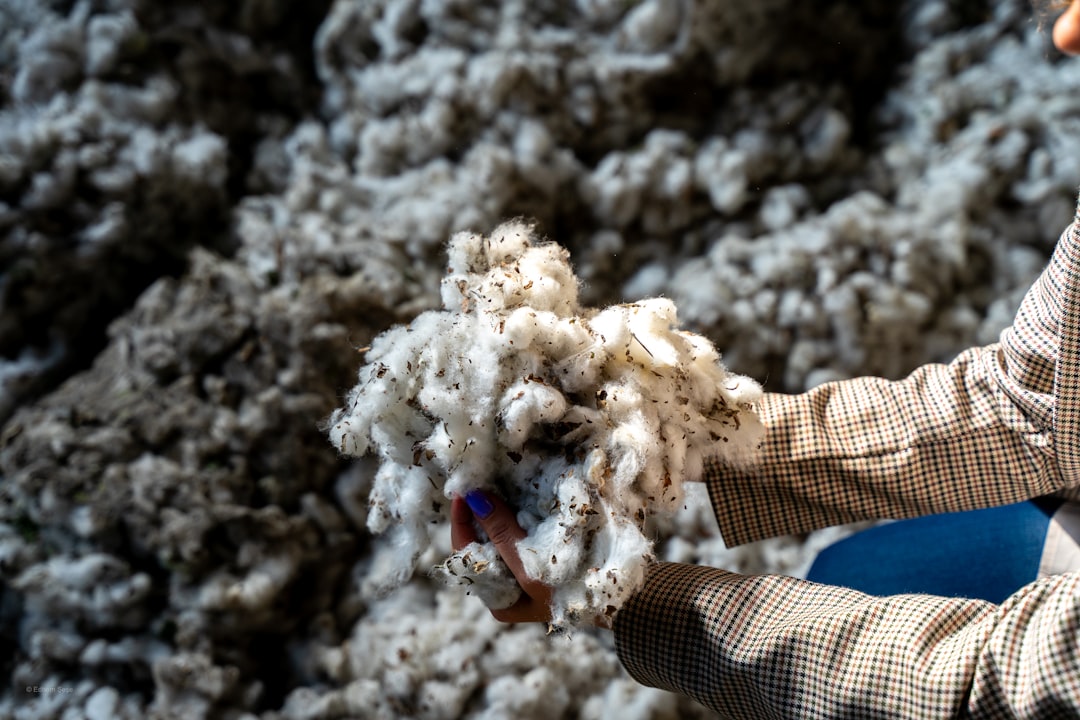 Photo by Edhem ŞEŞE on Unsplash
Making It Last: Care and Mitigation Strategies
If you choose recycled polyester activewear, how you care for it directly impacts its environmental footprint. Your goal is to extend its life for as many wears as possible and minimize microplastic shedding.
- Wash Less, Air Out More: After a workout, hang your gear to air dry. Spot clean if possible. Polyester is resistant to odor, so it often doesn’t need a wash after every single wear.
- Wash Cool, Gentle, and Full: Always use a cold, gentle cycle. A full load creates less friction between garments, which reduces fiber breakage and shedding.
- Use a Microfiber Filter: Invest in a washing machine filter (like a Guppyfriend Washing Bag or a Cora Ball) designed to catch microfibers before they exit your machine. This is one of the most direct actions you can take.
- Skip the Fabric Softener and Dryer: Fabric softener can coat fibers, reducing their moisture-wicking ability. Tumble drying creates heat and friction that degrade the fabric and release more microplastics. Always air dry.
- Repair and Rehome: A small hole or loose seam doesn’t mean the end. Learn basic repairs. If you must part with an item, see if the brand has a take-back program or resell it to give it further life.
Questions to Ask Before You Buy
Before adding another piece of recycled polyester activewear to your cart, pause and use these questions as a filter. The answers should be readily available on a brand’s website—if they’re not, that’s a red flag.
- What percentage is recycled, and is it certified? Look for a specific number (aim for 85-100%) and a certification like GRS. “Made with recycled materials” could mean as little as 5%.
- Is it post-consumer or post-industrial recycled? Post-consumer has a greater positive impact on the waste stream.
- What about the other fibers in the blend? Most activewear blends polyester with spandex for stretch. Is the spandex recycled? What percentage of the total garment is actually recycled? A blend of 85% rPET and 15% virgin spandex is common.
- How does the brand address microplastics? Do they educate customers on care? Do they support or invest in filtration technology? Silence on this issue suggests they aren’t engaging with the full lifecycle of their product.
- What is the end-of-life plan? Does the brand have a take-back or recycling program for worn-out garments? Or are they designing for durability and repairability? This tells you if they are thinking beyond the first sale.
Recycled polyester is not a silver bullet, but it is a step in a better direction. In the context of activewear—where performance demands are real—it represents a more responsible choice than virgin polyester, provided it is used at a high percentage, certified, and cared for properly. The most sustainable wardrobe, however, is a versatile one. Consider reserving rPET for your high-intensity, sweat-heavy workouts where its performance is unmatched. For yoga, hiking, or lounging, exploring pieces in TENCEL™ Lyocell or merino wool can diversify your material impact. Ultimately, the most powerful tool you have is informed choice, paired with the commitment to wear what you buy, for a long, long time.