You’ve found the perfect midi skirt. It’s a beautiful shade of forest green, the fabric feels substantial, and the price tag reads like a typo. You take it to the fitting room, zip it up, and… something is off. It pulls across the hips, the waistband gaps in the back, or the hem hits that unflattering spot that makes your calves look wider than they are. You buy it anyway, convincing yourself it’s a “minor alteration.” Six months later, it’s still sitting in your mending pile, unworn.
That scenario is exactly why a secondhand midi skirt requires a different kind of shopping logic. Unlike a fast-fashion buy where you might accept a so-so fit for a low price, pre-loved shopping demands a sharper eye. You’re hunting for a piece that already has history—and you want it to have a long future in your closet. This checklist is designed to help you ask the right questions before you hand over your card, ensuring your next secondhand midi skirt fits, flatters, and lasts.
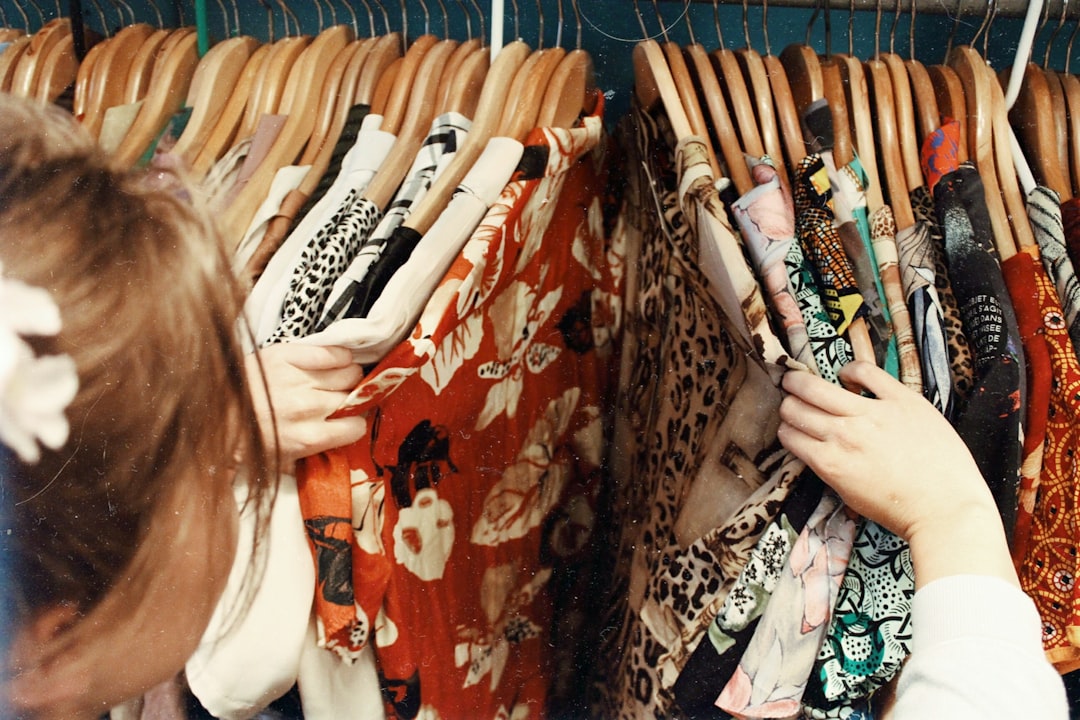 Photo by Becca McHaffie on Unsplash
The Fit Check: Does It Actually Fit Your Body, or Just Your Fantasy?
Fit is the single most important variable when buying any skirt secondhand. Unlike new retail, you can’t return a thrifted piece because the sizing is off. And midi skirts are notoriously tricky: they sit at a specific point on your waist, they have a specific length, and they interact with your hip-to-waist ratio in ways that can either streamline or distort your silhouette.
Check the Waistband Fit First
The waistband is the foundation. A midi skirt that doesn’t sit properly at your natural waist will never look right, no matter how you style it. Here’s what to look for:
- No more than one finger of gap. If you can fit two or more fingers between the waistband and your body, the skirt is too loose. Altering a waistband is possible, but it’s a professional tailoring job that can cost more than the skirt itself.
- No pinching or digging. If the waistband leaves red marks or feels restrictive when you sit, skip it. Elastic waistbands are more forgiving, but a non-stretch waistband should feel secure without being tight.
- The button or hook lies flat. If the closure pulls or gaps, the skirt is too small. This is non-negotiable for structured fabrics like denim, wool, or cotton twill.
Assess the Hip and Seat Room
Midi skirts often fail because they’re too tight across the hips or too loose in the seat. Run this quick test:
- The sit test. Bend your knees and sit down in the fitting room. Does the fabric pull across your thighs or seat? If it does, the skirt will look strained when you walk and will likely develop seam stress over time.
- The pinch test. Pinch the fabric at your hip bone. You should be able to grab about half an inch of ease. If you can’t pinch any fabric, the skirt is too snug. If you can grab more than an inch, it’s too loose and will bag out.
- Side seams should hang straight. If the side seams twist toward the front or back, the skirt is cut for a different body shape. Move on.
The Hem Length Sweet Spot
Midi length is defined as falling between the knee and the ankle, but that range is wide. The most flattering length for most women is where the skirt hem hits the narrowest part of your calf, usually about four to six inches below the knee. This visual trick elongates the leg and avoids cutting off your silhouette at a wide point.
- For petite frames (under 5’4”): Look for skirts that hit just below the knee or at mid-calf. A hem that hits too close to the ankle will shorten your legs.
- For tall frames (5’7” and above): You have more flexibility, but a hem that falls just above the ankle bone is universally flattering.
- The heel test. Try the skirt on with the shoes you plan to wear most often. A midi that looks perfect in flats might look awkward with a two-inch heel, and vice versa.
Fabric Drape and Stretch
A midi skirt’s silhouette depends almost entirely on how the fabric moves. Before buying, hold the skirt by the waistband and let it hang. Does it fall in a clean A-line? Does it cling to the hanger? Does it have any permanent wrinkles or creases that won’t steam out?
- Structured fabrics (wool, tweed, denim, heavy cotton): These hold their shape and are ideal for office or polished looks. They require a precise fit because they won’t mold to your body.
- Fluid fabrics (silk, rayon, Tencel, viscose): These drape and move with you. They’re more forgiving in fit but can show every lump and bump if too thin. Hold the fabric up to light—if you can see through it, you’ll need a slip.
- Stretch fabrics (jersey, ponte, blends with elastane): These are the most forgiving but also the most likely to lose shape over time. Gently stretch the fabric horizontally. If it doesn’t snap back to its original shape, the elastic is already breaking down.
The Quality Audit: Will This Skirt Survive Another Five Years?
Secondhand shopping means you’re inheriting someone else’s wear and tear. A skirt that looks great on the rack might have hidden flaws that will become your problem. This audit takes about two minutes and will save you from buying a skirt that unravels after three washes.
Inspect the Seams and Stitching
Turn the skirt inside out. This is where the truth lives.
- Seam allowances should be at least ⅝ inch. Narrower seam allowances (like ¼ inch) are a sign of cheap construction and will not hold up to alterations or wear.
- Look for French seams or bound seams. These are finishing techniques that prevent fraying and look clean on the inside. They’re a hallmark of quality.
- Check the hem stitching. Is it a blind hem (nearly invisible on the outside) or a simple double-fold? A blind hem is more durable and looks more polished. If the hem is coming undone, factor in a $15–$20 alteration cost.
- Zippers. Metal zippers are generally more durable than plastic. Check that the zipper track is clean and that the pull moves smoothly. A stuck zipper can often be fixed with a little wax or graphite, but a broken zipper requires replacement.
Examine the Fabric for Wear
Fabric fatigue is the most common reason a secondhand skirt fails early.
- Pilling. Run your hand over the fabric, especially at the seat and inner thighs. Pilling indicates friction damage. For wool or cashmere blends, a fabric shaver can help, but heavy pilling on synthetics is permanent.
- Fading and color loss. Check the fabric under natural light. Look at the seams and the hem—if the color is darker there than the main fabric, the skirt has been exposed to sunlight and will continue to fade.
- Stains and discoloration. Pay special attention to the waistband lining (sweat stains) and the hem (mud or water stains). Some stains can be removed, but set-in oil stains on silk or wool are nearly impossible to lift.
- Holes and thin spots. Hold the fabric up to the light. Small holes, especially near seams or at the center of the fabric, are signs of moth damage or general wear. A small hole in an inconspicuous spot can be darned, but multiple holes mean the fabric is compromised.
Check the Lining
A lined midi skirt is a sign of quality. The lining should be at least 50% of the skirt’s length and made from a breathable fabric like cotton, cupro, or rayon. Avoid polyester linings that trap heat and cause static.
- The lining should be attached at the waistband and hem. If it’s only attached at the waist, it will ride up.
- Look for lining that has its own hem allowance. This prevents the lining from peeking out below the skirt.
- If the lining is torn or sagging, factor in a replacement cost. Replacing a lining is not a beginner sewing project.
The Style Scan: Does It Work With What You Already Own?
A skirt can fit perfectly and be impeccably made, but if it doesn’t integrate into your existing wardrobe, it will become a closet orphan. This is the most overlooked step in secondhand shopping.
The Three-Outfit Rule
Before buying, mentally style the skirt into three complete outfits using pieces you already own. If you can’t think of three, put the skirt back.
- Outfit 1: The skirt + a fitted turtleneck or bodysuit + ankle boots or loafers.
- Outfit 2: The skirt + a chunky sweater or oversized blazer + sneakers or heeled boots.
- Outfit 3: The skirt + a silk camisole or button-down + sandals or pumps.
If the skirt only works with one specific top you own, it’s a specialty piece, not a wardrobe workhorse.
Color and Pattern Compatibility
Midi skirts in neutral solids (black, navy, camel, olive, cream) are the easiest to style. Patterns require more thought.
- For patterned skirts: The dominant color should appear in at least three other pieces in your closet. If the skirt is a floral with a mustard base, do you own a mustard sweater, a mustard scarf, or mustard accessories?
- For bright colors: Consider whether the color flatters your skin tone. A skirt in a color that washes you out will sit unworn.
- For black skirts: Check the fabric. A black midi skirt in a matte fabric like cotton or wool is versatile. A black skirt in a shiny fabric like polyester satin is harder to style for daytime.
Silhouette Versatility
Think about the skirt’s shape and how it interacts with your body type and lifestyle.
- A-line midis are universally flattering and work for most body types. They’re easy to move in and pair well with tucked-in tops.
- Pencil midis are more structured and require a fitted top. They’re ideal for office or evening wear but can feel restrictive for all-day wear.
- Pleated midis add movement and texture. They work well with simple tops but can add volume to the hips. Look for pleats that are pressed and lie flat.
- Wrap midis are adjustable and forgiving. They’re great for fluctuating weight but can come undone if the tie is worn or the fabric is too slippery.
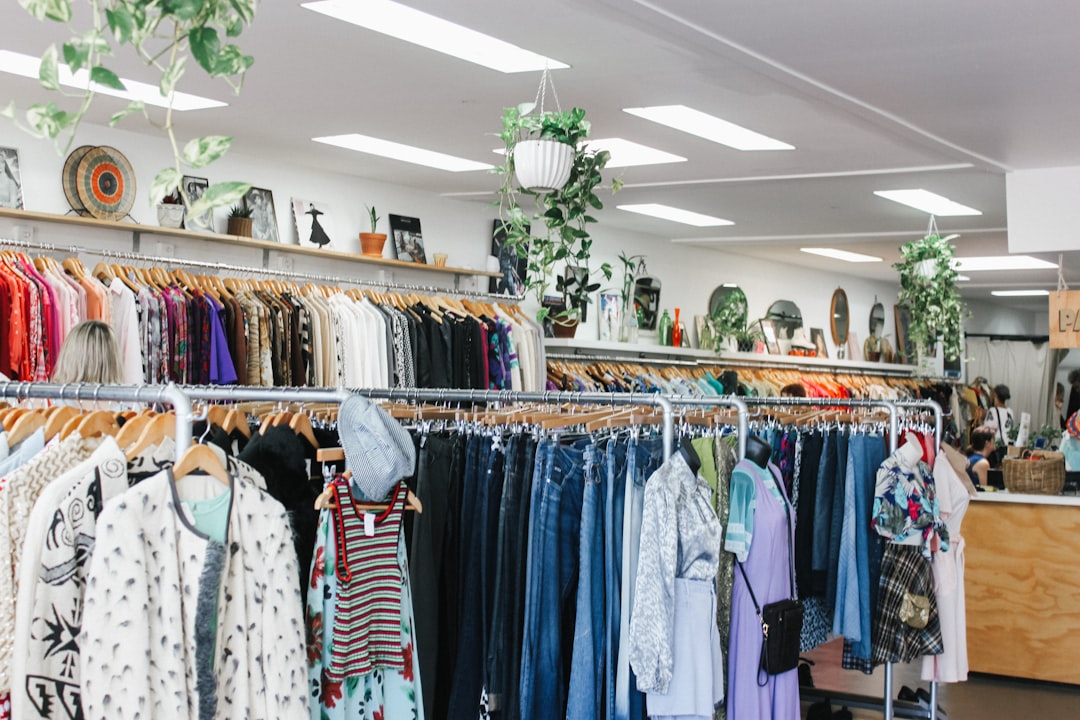 Photo by Prudence Earl on Unsplash
The Care Commitment: Can You Maintain It?
A skirt that requires dry cleaning every wear will quickly become a burden. Before buying, check the care label and be honest about your willingness to maintain it.
Decode the Care Label
The care label tells you everything about the skirt’s future. For a full breakdown of symbols, read our guide on How to Read a Garment Care Label Like a Pro.
- Machine washable (cotton, linen, polyester blends): Lowest maintenance. These are your everyday wear options.
- Hand wash or delicate cycle (silk, rayon, viscose, Tencel): Moderate maintenance. You’ll need to be gentle, but these fabrics can last for decades with proper care. Learn more about What Is Tencel Lyocell, Really, and Is It a Sustainable Fabric Choice.
- Dry clean only (wool, silk, structured synthetics): High maintenance. If you’re not willing to budget $10–$15 per cleaning, skip it. For wool skirts, dry cleaning is non-negotiable to preserve the fibers. See our guide on How to Repair a Wool Sweater Like a Pro for maintenance tips that apply to wool skirts too.
- Do not bleach and do not wring. These are common on vintage pieces. Bleach will ruin color; wringing will distort the fabric.
The Alteration Budget
Assume every secondhand skirt will need at least one alteration. Set a budget of $20–$40 for common fixes:
- Hemming: $15–$25, depending on fabric complexity.
- Waistband take-in: $20–$30.
- Side seam take-in: $25–$40.
- Zipper replacement: $25–$50.
If the skirt needs more than two alterations, it’s probably not worth the investment unless it’s a rare fabric or a designer piece.
The Shortlist Criteria That Matter
Before you buy, run this final mental checklist. If you can answer “yes” to at least four of these five questions, the skirt is a keeper.
| Criteria | Yes / No | Notes |
|---|---|---|
| Waistband fits without gaping or pinching | No more than one finger of space | |
| Hip and seat have half-inch ease | Pinch test passes | |
| Hem hits the narrowest part of your calf | Test with intended shoes | |
| Seams and zipper are intact and well-finished | Inside-out inspection passed | |
| You can style it into three outfits today | Mental outfit test passed |
Your Next Step: Shop With Intention
The best secondhand midi skirt isn’t the one with the lowest price tag or the most unique pattern. It’s the one that slides into your wardrobe like it was always there. Use this checklist on your next thrift run, and you’ll walk away with a skirt that fits your body, your style, and your life.
For more secondhand shopping strategies, explore our guides on How to Thrift a Cashmere Sweater That Actually Holds Up and How to Thrift a Silk Blouse That Actually Looks Luxurious. And if you’re building a complete wardrobe, our 10-Piece Summer Capsule guide shows you how to integrate a midi skirt into a versatile, season-proof rotation.