Building a wardrobe that looks good and feels good is a journey. It’s about moving beyond fleeting trends to find pieces that tell a story—of craftsmanship, care for our planet, and respect for the people who make our clothes. While we often focus on the core elements like dresses and denim, it’s the accessories that truly personalize our style. A scarf can transform an outfit, a bag can carry our daily essentials with intention, and a piece of jewelry can become a cherished talisman.
This guide is your companion for 2026, dedicated to curating an ethical and sustainable collection of jewelry, bags, and scarves. We’re moving past the era of fast-fashion accessories that tarnish and tear, and toward a new standard: investing in accessories that are designed to last, made with integrity, and beautiful in every sense of the word. Let’s explore how to build a collection that aligns with your values without compromising on style.
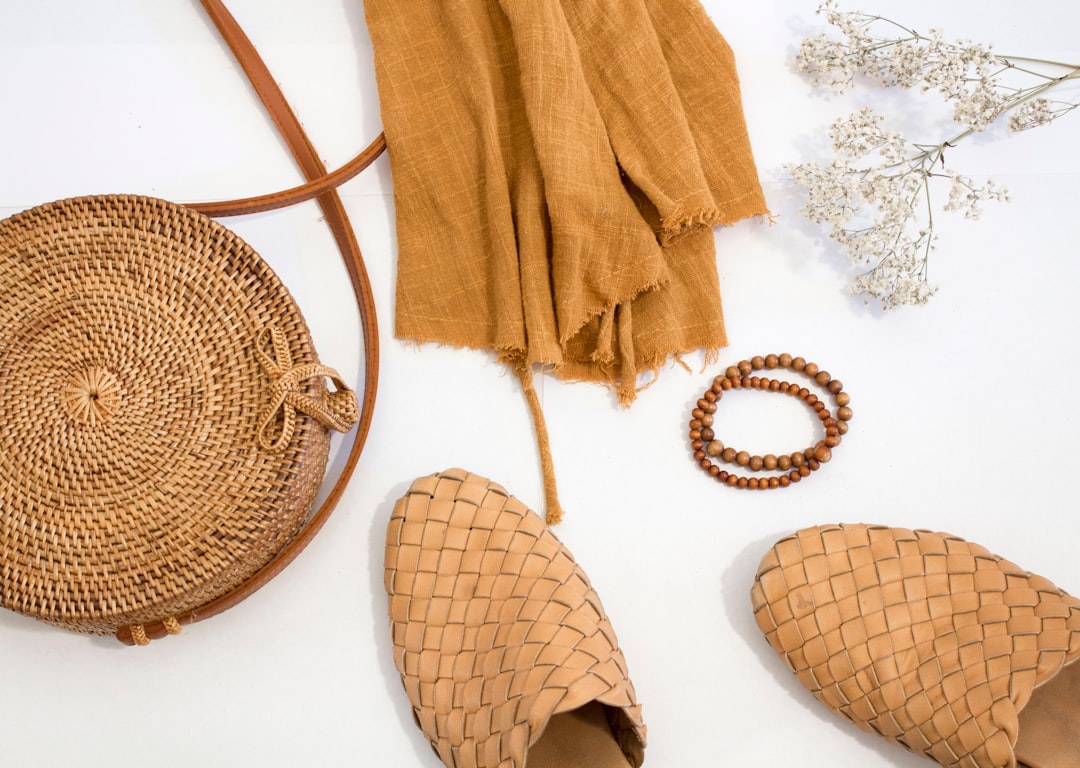 Photo by S O C I A L . C U T on Unsplash
The Foundations of a Conscious Accessory Collection
Before we dive into specific brands and pieces, let’s establish the “why” behind our choices. Sustainable and ethical fashion can feel like a maze of certifications and claims. When it comes to accessories, here are the key pillars to look for:
- Materials Matter: Seek out recycled metals (gold, silver, brass), regenerated or organic fibers (like GOTS-certified organic cotton, peace silk, or Tencel™ lyocell), and innovative materials (apple leather, cactus leather, recycled nylon, or reclaimed fabrics). For gemstones, look for lab-grown diamonds or ethically sourced, traceable stones.
- Transparency & Ethics: Who made your bag or necklace? The best brands are proud to share their stories. Look for information about fair wages, safe working conditions, and partnerships with artisan collectives. Certifications like Fairtrade Gold or B Corp status are strong indicators of a brand’s commitment.
- Timeless Design & Quality: Sustainability starts with longevity. Choose classic shapes, neutral palettes, and impeccable craftsmanship that promise your accessory will be a part of your story for decades, not just a season.
- Circularity: How does the product’s life end? Forward-thinking brands offer repair services, take-back programs for recycling, or design for disassembly.
With these principles as our compass, let’s build your collection.
Ethical Jewelry: Pieces with a Purpose
Jewelry is deeply personal. In 2026, the narrative behind a piece is as important as its aesthetic. The conversation has moved from simply “conflict-free” to fully regenerative and restorative. We’re seeing a beautiful rise in brands that not only use recycled metals but also actively contribute to environmental or social causes through their work.
What to Look For:
- Recycled Precious Metals: This is now a baseline expectation for ethical fine jewelry, drastically reducing the need for destructive mining.
- Traceable Gemstones: Whether it’s Canadian diamonds, traceable sapphires, or vibrant lab-grown stones, knowing the origin is key.
- Artisan-Made: Supporting small-scale artisans preserves cultural techniques and ensures craftspeople are paid fairly for their exceptional skill.
Brand & Product Recommendations:
- Omi Woods: A standout for heirloom-quality pieces that celebrate the African diaspora. Omi Woods uses exclusively recycled gold and silver, along with ethically sourced gemstones and beads. Each piece is imbued with cultural significance and made by master jewelers. Their Ashanti Ring in recycled gold is a modern classic—bold, symbolic, and built to last for generations. Shop Omi Woods
- Soko: Pioneers in using technology for ethical production, Soko connects a network of artisan entrepreneurs in Kenya with the global market. Their vibrant, architectural designs are made from upcycled brass and other sustainable materials. For a statement piece, their Rise Cuff showcases incredible craftsmanship and provides economic opportunity directly to the artisans. Shop Soko
Sustainable Bags: Carrying Your Values
Your bag is a workhorse, and its sustainability footprint can be significant. The most conscious bags in 2026 are made from innovative, low-impact materials and are designed with durability and end-of-life in mind. Think beyond vegan leather (often made from PVC/PU) and look for next-gen plant-based materials or beautifully aged, vegetable-tanned leathers.
What to Look For:
- Innovative Materials: Apple leather, cactus leather (Desserto), mango leather, and recycled ocean plastics are leading the charge.
- Certified Leathers: If you prefer traditional leather, ensure it’s vegetable-tanned (a cleaner process) and from a tannery certified by the Leather Working Group.
- Functional, Timeless Design: A well-considered interior, sturdy hardware, and a silhouette that transcends trends.
Brand & Product Recommendations:
- Bellroy: While not exclusively a “sustainable brand,” Bellroy is a leader in thoughtful, durable design and transparency. Their Tokyo Tote is a perfect example: it’s made from recycled water bottles (with a traceable supply chain), is incredibly lightweight and functional, and is designed to be a daily companion for years. They are also a certified B Corp. Shop Bellroy
- Altiir: For luxurious, sculptural bags made from next-gen materials, Altiir is a game-changer. They specialize in bags made from apple leather—a byproduct of the juice industry—and cactus leather. Their Atlas Tote is sleek, structured, and proves that sustainable materials can be the height of sophistication. Shop Altiir
Sustainable Bag Comparison
| Feature | Bellroy Tokyo Tote | Altiir Atlas Tote |
|---|---|---|
| Primary Material | Recycled PET (from plastic bottles) | Apple Leather or Cactus Leather |
| Best For | Everyday versatility, lightweight travel, tech carry | Statement luxury, structured silhouette, fashion-forward ethics |
| Ethical Highlight | B Corp, transparent supply chain, durability-focused | Innovative plant-based materials, waste-reduction, PETA-approved vegan |
| Style Vibe | Minimalist, functional, urban | Sculptural, modern, elegant |
Conscious Scarves & Wraps: The Art of Adornment
A scarf is perhaps the most versatile accessory. It can be a necktie, a headwrap, a bag accent, or a blanket on a chilly plane. In sustainable fashion, scarves are a wonderful way to support artisan communities and embrace natural, biodegradable fibers. The focus for 2026 is on natural dyes, heritage weaving techniques, and ultra-soft, organic fibers.
What to Look For:
- Natural Fibers: Organic cotton, linen, peace silk (ahimsa silk), Tencel™, and wool from regenerative farms.
- Artisan Techniques: Look for hand-looming, block printing, or traditional embroidery. This supports cultural heritage and slow, careful production.
- Seasonless Patterns: Choose colors and patterns you’ll love year-round, from floral prints that hint at spring to rich, earthy tones perfect for autumn.
 Photo by VU HIEP on Unsplash
Building Your Capsule Accessory Collection
You don’t need a closet full of items to be well-accessorized. Start with a small, intentional capsule and build from there. Here’s a suggested starter kit for 2026:
- Jewelry: One pair of everyday hoop or stud earrings (in recycled silver/gold), one signature necklace (like a personalized pendant or a simple chain), and one statement ring or bracelet.
- Bags: A versatile, medium-sized tote for daily use (in a neutral color), and one smaller crossbody or clutch for evenings and weekends.
- Scarves: One large, lightweight square scarf (for hair, neck, or bag) in a silk or linen blend, and one cozy, oversized wrap for cooler months in cashmere or wool.
Remember, the goal is curation, not accumulation. Each new piece should bring you joy and serve a purpose in your existing wardrobe. For more on this philosophy, explore our guide to building a conscious capsule wardrobe.
The Future of Accessories is Circular
As we look ahead, the most exciting developments are in circularity. Brands are launching resale platforms for their own products, designing for easy repair, and using mono-materials that are easier to recycle. As a consumer, you participate in this cycle by caring for your items (proper storage, gentle cleaning), repairing them when needed, and eventually reselling or donating them to extend their life. The story of your accessory shouldn’t end when you stop wearing it.
Build Your Wardrobe, Kindly
Building an ethical accessory collection is an ongoing, rewarding process. It’s about making choices that reflect a deeper understanding of our world and our place in it. Each time you fasten a clasp, sling a bag over your shoulder, or tie a scarf, you’re making a quiet statement about the kind of future you want to wear.
Start slowly. Ask questions. Invest in pieces you truly love. Your wardrobe—and the planet—will thank you for it.
Ready to continue your conscious style journey?
- Dive deeper into materials with our post on The Ultimate Guide to Sustainable Fabrics.
- Explore how to build a foundational wardrobe in our Year-Round Capsule Wardrobe Guide.
- Looking for ethical footwear? Read our guide to sustainable shoes for every season.