You’ve been standing in the thrift store aisle for twenty minutes, sleeves pushed up, sweating through your base layer because the heat is cranked. You pull a camel-colored wool coat off the rack. It looks incredible—structured shoulders, covered buttons, that whole “I have my life together” energy. You buy it. You wear it once. And by the time you walk to the subway, you realize it’s about as insulating as a paper towel.
This is the specific heartbreak of thrifting a winter coat. The visual appeal is high. The price is low. But warmth is invisible. You can’t tell from a hanger whether a coat will hold up against a January wind or whether the lining is one dry clean away from disintegration. The secondhand coat market is full of gems, but it’s also full of fast-fashion polyesters dressed up to look like wool.
This guide is for the woman who wants to leave the thrift store with a coat that actually works—not just a coat that photographs well. We’re going to talk fabric science, fit strategy, condition checks, and which categories are smartest to buy used. By the end, you’ll have a repeatable system for finding a warm, durable winter coat without paying retail or settling for something that looks good but performs poorly.
 Photo by Vitalii Kyktov on Unsplash
The Fabric Shortlist: What Actually Holds Heat
When you’re shopping new, you can read a tag. When you’re thrifting, you have to trust your hands and your knowledge. The fabric composition is the single most important factor in whether a coat will keep you warm. Here’s what to look for and what to avoid.
Wool and Wool Blends (Your Best Bet)
Pure wool—especially merino, lambswool, or virgin wool—is the gold standard for thrifted winter coats. Wool traps air in its fibers, creating a natural insulation layer that works even when damp. A 100% wool coat from a brand like Pendleton, London Fog, or vintage Woolrich will outperform most modern synthetic coats at a fraction of the price.
But don’t dismiss blends. A 70% wool, 30% nylon or polyester blend can be more durable and water-resistant than pure wool, especially if the coat is meant for wet snow rather than dry cold. Look for blends that keep wool as the primary fiber. Anything below 50% wool starts to compromise warmth significantly.
Cashmere and Mohair (Luxury, But Fragile)
Cashmere is lighter than wool and incredibly warm for its weight, but it’s also more delicate. A thrifted cashmere coat is a great find if the fabric is still intact and the lining is in good shape. However, cashmere pills easily and can develop thin spots, especially at the elbows and under the arms. Mohair has a distinctive fuzzy texture and excellent insulation properties, but it’s less common and can be itchy against the skin if not lined.
If you find a cashmere or mohair coat, check the inside collar and cuffs for wear. These areas show damage first, and repairing them is expensive.
Down and Feathers (Ultimate Warmth, Higher Risk)
Down coats are the warmest option for extreme cold, and they’re plentiful in thrift stores. The key is to check for “leakage”—feathers poking through the shell fabric. A few stray quills are normal, but if you see multiple holes or feathers actively escaping, the shell is compromised. That coat will lose insulation over time and leave you covered in fluff.
Also, check the baffles (the stitched compartments that hold the down). If the down has shifted or clumped, the coat has lost its loft and won’t insulate evenly. A good down coat should feel puffy and evenly distributed when you squeeze it.
Faux Fur and Sherpa (Trendy, But Read the Label)
Faux fur and sherpa coats are having a moment, and they can be warm if they’re made with a dense pile and a decent backing. But many of these are fast-fashion pieces made from low-quality acrylic or polyester that mat down after a season. The warmth comes from the density of the fibers, not the fiber type itself.
When you find a faux fur or sherpa coat, do the “squeeze test”: grab a handful of the fabric and hold it for five seconds. If it springs back, it’s in good condition. If it stays compressed or feels flat, the fibers are worn out and the coat won’t hold heat.
What to Skip
Avoid coats made primarily from acrylic, viscose, or rayon unless they’re lined with a warm material. These fabrics don’t insulate, they don’t breathe, and they break down quickly. Also be wary of “wool” coats that feel stiff or plasticky—they’re often wool blended with a high percentage of synthetic fibers that defeat the purpose of natural insulation.
The Condition Check: Five Things to Inspect Before You Buy
A coat can be made of the best wool in the world, but if the zipper is broken or the lining is shredded, it’s not worth your money. Here’s a five-point inspection that takes about two minutes.
1. The Lining
Turn the coat inside out and look at the lining fabric. Silk and rayon linings are common in vintage coats and can be delicate. Polyester linings are more durable but less breathable. What you’re looking for is rips, tears, or thin spots, especially at the armholes and the hem. A small rip can be repaired, but a lining that’s disintegrating will need to be fully replaced, which can cost $50–$100.
2. The Zipper and Buttons
Test the zipper three times. It should glide smoothly without catching. If it’s stuck or the teeth are misaligned, skip it—zipper replacements on heavy winter coats are expensive and often visible. For button closures, check that all buttons are present and that the buttonholes are reinforced. Loose buttons can be sewn back on, but missing buttons on a vintage coat can be hard to match.
3. The Seams and Hems
Run your fingers along the shoulder seams, side seams, and hem. Look for loose threads, gaps, or places where the fabric is pulling apart. A coat that is unraveling at the seams will not hold up through the season.
4. The Pockets
Check both the exterior and interior pockets. Interior pockets are a sign of quality—they suggest the coat was designed for function, not just fashion. Make sure the pocket bags are intact and that there are no holes where your phone could slip through.
5. The Odor Test
Thrift stores can smell musty, but there’s a difference between “this coat needs to air out” and “this coat has permanent smoke or mildew damage.” Hold the coat to your nose and inhale near the underarm area and the collar. If the smell is sharp, chemical, or deeply musty, walk away. Some smells can be removed with dry cleaning, but others are embedded in the fibers.
Fit Strategy: How to Size a Secondhand Coat When You Can’t Return It
Thrift stores rarely allow returns on outerwear. That means you need to be ruthless about fit before you hand over your card. Here’s how to evaluate a coat on the rack.
The Shoulder Test
The shoulder seam should sit exactly at the edge of your shoulder bone. If it hangs off, the coat is too big. If it sits on top of your shoulder, it’s too small. This is the hardest area to alter, so don’t buy a coat that doesn’t fit here, hoping a tailor can fix it.
The Layer Check
Wear a thick sweater or a light puffer when you try on the coat. A winter coat needs to accommodate at least one layer underneath without pulling across the back or restricting arm movement. Raise your arms above your head. If the coat hikes up uncomfortably, it’s too small.
The Button-Up Test
Button or zip the coat all the way up. You should be able to cross your arms comfortably. If the fabric strains across your chest or back, the coat is too narrow. If you can fit a whole second person in there, it’s too big.
The Length Decision
Coat length is a personal preference, but for warmth, longer is generally better. A coat that hits below the hip protects your core and thighs. A hip-length coat is fine for mild winters but won’t cut it in freezing temperatures. If you find a full-length coat that’s too long, you can have it hemmed—just make sure the fabric allows for it (thick wools and down coats are harder to shorten than lighter fabrics).
Resale Platforms and Where to Look
Not all thrift stores are created equal, and the best place to find a warm winter coat depends on your budget and your willingness to dig.
Local Thrift Stores and Charity Shops
This is where you’ll find the best prices and the most unpredictable inventory. The key is frequency. Visit every two weeks during the fall and winter months, and go early in the week when new stock is put out. Look in the men’s section too—men’s coats are often larger, less picked-over, and made with heavier fabrics.
Online Resale Platforms
If you don’t have time to dig through racks, online resale is a solid option. The trade-off is that you can’t feel the fabric or test the zipper, so you need to rely on descriptions and photos.
| Platform | Best For | Risk Level | Notes |
|---|---|---|---|
| eBay | Vintage wool and down coats | Medium | Look for detailed photos of labels, linings, and any damage. Filter by “pre-owned” and “used” to avoid reproductions. |
| Poshmark | Brand-name coats (Patagonia, North Face, Pendleton) | Low | Sellers often include measurements. Use the “make an offer” feature. |
| The RealReal | Luxury cashmere and designer wool coats | Low | Authentication is included, but prices are higher. Condition grades (Pristine, Excellent, Good) are generally reliable. |
| Depop | Trendy and vintage styles | High | Fast fashion is common. Check fabric tags carefully and ask sellers for close-ups. |
| Facebook Marketplace | Local pickup, no shipping | Medium | You can inspect in person. Negotiate for coats that have been listed for more than two weeks. |
For a deeper dive on what to check before you buy on any platform, see our Secondhand Shopping Checklist: How to Vet Quality, Fit, and Value Before You Buy.
Risk Signals: When to Walk Away
Some coats are not worth the savings. Here are the red flags that should send you back to the rack.
- Missing or damaged zipper. This is almost never worth fixing unless the coat is a high-end brand and the rest of it is perfect.
- Pilling on the shell, not just the lining. Pilling on the exterior means the fabric is degrading. It will get worse, not better.
- Stains that look like they’ve been treated. A stain that’s been bleached or scrubbed is a sign the previous owner tried and failed to remove it.
- The coat smells strongly of mothballs. Mothball odor is difficult to remove and may indicate that the coat has been in storage for years, which can weaken the fibers.
- The down is clumped or flat. Even if the coat is cheap, you’ll be cold. Move on.
Which Categories Are Smartest to Buy Pre-Owned
Some coat styles are a better deal secondhand than others. Here’s the breakdown.
Smartest: Wool Peacoats and Trench Coats
These are widely available, often made with high-quality materials, and timeless enough that a 20-year-old coat looks current. Vintage wool peacoats from military surplus stores are especially durable and affordable.
Smart: Down Parkas
Down parkas from brands like Patagonia, The North Face, and Columbia are easy to find on resale platforms and often in good condition because their owners upgraded to a newer model. Just check the baffles and the zipper carefully.
Moderate Risk: Faux Fur and Sherpa Coats
These are trendy, which means they’re often fast fashion. If you find one made by a quality brand (like Stella McCartney or vintage faux fur from the 1960s), it’s a good buy. Otherwise, assume it will last one season.
Higher Risk: Designer Cashmere Coats
These can be a steal, but they’re also a gamble. Cashmere wears faster than wool, and a thrifted cashmere coat may already be halfway through its lifespan. Only buy if the fabric is uniformly thick and the lining is pristine.
Your Smartest Secondhand Moves
You don’t need to become a fabric expert or spend hours in every thrift store. You just need a system. Here’s yours:
- Start with fabric. Scan the rack for wool, cashmere, down, or dense faux fur. Skip acrylic and viscose.
- Do the five-point inspection. Lining, zipper, seams, pockets, and odor. If any one of these fails, put the coat back.
- Try it on with a layer. Shoulder fit is non-negotiable. Length and sleeve length can be altered.
- Check the brand. A coat from a known outerwear brand (Patagonia, Woolrich, Pendleton, London Fog, North Face) is almost always a better bet than an unbranded or fast-fashion coat.
- Know when to walk. A broken zipper, clumped down, or deeply embedded odor are not worth the price.
If you’re building a cold-weather wardrobe from scratch, consider pairing your thrifted coat with a few smart layering pieces. The The 3-Layer Formula for Sustainable Travel Outfits: How to Pack Light and Look Polished works just as well for your daily commute as it does for a weekend trip. And once you’ve found your coat, take care of it—our Wool Sweater Care, Repair, and Storage Playbook for Year-Round Wear applies to wool coats too.
The best winter coat you’ll ever own is probably sitting in a thrift store right now, waiting for someone who knows what to look for. You’re that someone. Go find it.
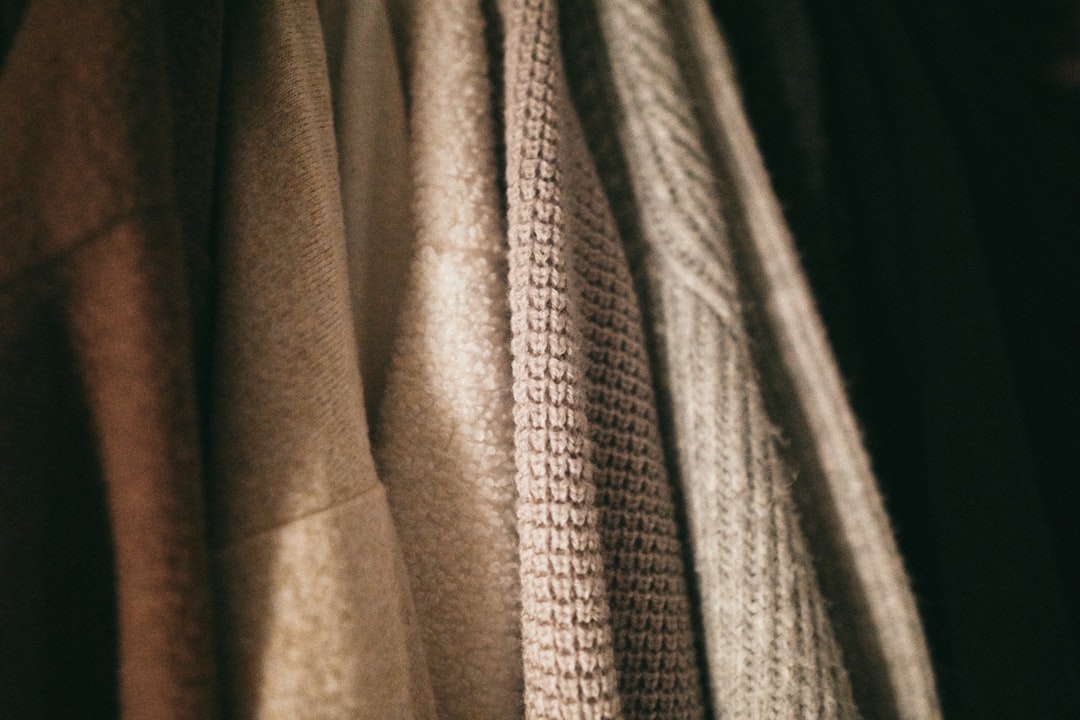 Photo by Haley Truong on Unsplash