You’ve been standing in your closet for ten minutes, holding a pair of trousers you bought last spring. The tag is still on them. You remember the logic: they were on sale, they were organic cotton, and buying them felt like a vote for the planet. But they don’t fit right, they don’t match anything you own, and they’ve become a monument to the gap between shopping sustainably and shopping intentionally.
That gap is where the 7 Rs of sustainable fashion usually live—as a buzzword listicle rather than a decision-making tool. But when you strip away the jargon, the Rs aren’t a philosophy. They are a filter. A way to pause before the checkout counter and ask: Does this item actually have a future in my life, or am I just creating waste in slow motion?
This checklist is designed to operationalize that filter. It’s not about memorizing seven words. It’s about using them as sequential questions to ask yourself before you buy, and as prompts for extending the life of what you already own.
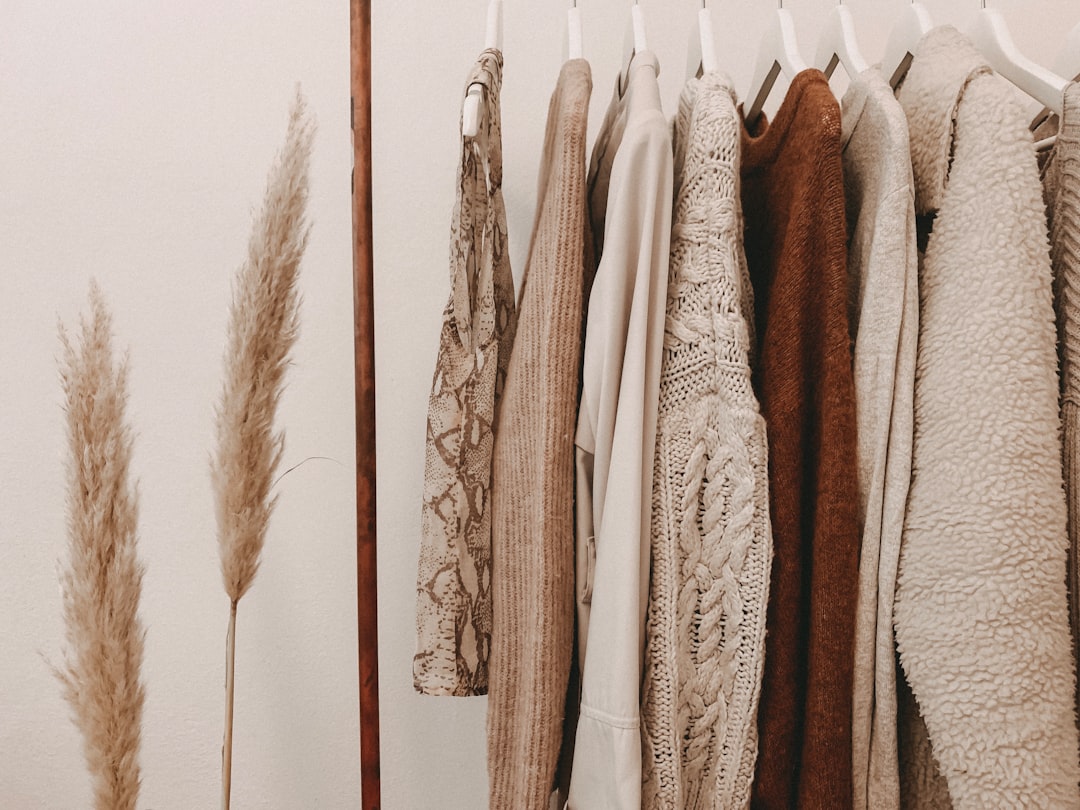 Photo by Alyssa Strohmann on Unsplash
The 7 Rs, Reordered: Why the Sequence Matters
Most guides list the Rs in a neat row: Rethink, Refuse, Reduce, Reuse, Repair, Recycle, Rot. That order is fine for memorization, but it’s less useful for a shopping trip. When you’re standing in a store or staring at a cart, you need to move from the cheapest intervention (not buying) to the most complex (disposal).
Here is the sequence that works in practice:
- Rethink (Why do I want this?)
- Refuse (Can I walk away?)
- Reduce (If I buy, what will it replace?)
- Reuse (Did I check secondhand first?)
- Repair (Can I fix what I have?)
- Recycle (Is the fiber actually circular?)
- Rot (What happens at the end of life?)
Notice that Rethink and Refuse are pre-purchase. Reduce is a purchase rule. Reuse and Repair are about your existing closet. Recycle and Rot are end-of-life realities. You rarely need all seven in one transaction, but you should know which ones apply to the specific item you’re considering.
The Pre-Purchase Filter: Rethink, Refuse, Reduce
Rethink: The “Why” Check
Before you look at fabric composition or brand ethics, look at your motivation. This is the R that catches the emotional purchase—the dress you buy for a future event that hasn’t been scheduled, or the sweater you buy because you’re tired of feeling frumpy.
Ask yourself:
- What void is this filling? If the answer is “I’m bored with my clothes,” the fix is styling, not shopping. Try the 3-3-3 rule to create new outfits from what you own before you add anything new.
- Does this fit my actual life, or my aspirational life? If you work from home and the item requires dry cleaning and heels, it will hang unworn. Be honest about your week.
- Is this a “sustainability guilt” purchase? Sometimes we buy a “conscious” item to offset the guilt of a fast-fashion habit. That organic cotton tee still requires water, energy, and labor to produce. It isn’t a free pass.
The Rethink Rule: If you cannot articulate a specific occasion or a gap in your wardrobe rotation within 30 seconds, you do not need this item. Walk away.
Refuse: The Power of “No”
This is the most radical R because it goes against every retail trigger designed to make you feel like you’re missing out. Limited drops, flash sales, and “last chance” emails are engineered to bypass your rational brain.
Your refusal checklist:
- Am I being manipulated by urgency? If the item is “only available for 24 hours,” that’s a red flag, not a reason to buy. Good clothes will still be available next week.
- Is this a compromise? You wanted a wool coat, but this polyester blend is cheaper. Refuse the compromise. You will still want the wool coat in January, and you will have wasted money on the blend.
- Does it violate my material standards? If you’ve decided to avoid virgin polyester or non-mulesed wool, don’t let a pretty color change your mind. Your standards are the line in the sand.
The Refuse Rule: If the item requires you to lower your standards on fabric, fit, or ethics, it’s a no. The best sustainable purchase is the one you never make.
Reduce: The One-In, One-Out Audit
If you’ve passed Rethink and Refuse, you are now allowed to consider the purchase. But Reduce forces you to look at your current closet capacity.
The math of a circular wardrobe:
Your closet has a finite number of hangers. If you bring something in, something has to leave. This is where the “capsule” mentality helps.
- What will this replace? If you are buying a new white tee, which white tee are you retiring? If the answer is “none, I don’t have one,” then you are filling a genuine gap.
- Will it work with at least three existing items? If you can’t immediately style it with three things you already own, it will become a standalone orphan. Check out our workwear capsule formula for how to build a coherent system where every piece has multiple functions.
- Is this a duplicate? We often buy the same navy sweater or black trousers repeatedly, hoping for a different result. Check your drawer. If you already own a version of this, the new one won’t be magical.
The Reduce Rule: For every new item entering your home, one item must leave (sell, donate, or repair). This keeps your collection curated and prevents the “nothing to wear” paradox that leads to more consumption.
The Secondhand-First Mandate: Reuse
Once you’ve passed the first three Rs, you’ve established a genuine need. Now, the question becomes: Where do you source it? The most sustainable item is the one that already exists.
The Reuse Checklist:
- Have I checked the resale platforms? Before you even look at retail, search for the specific item or category on resale sites. For example, if you’re hunting for a specific type of jacket, our secondhand leather jacket care playbook is a good companion, but the search itself should start with “pre-owned.”
- Am I considering the “last mile” problem? Buying secondhand online has a carbon footprint (shipping). If you are buying a $15 top that needs to be shipped across the country, the math is less favorable. Prioritize local consignment or bundle purchases to reduce shipping impact.
- Is this a “vintage” fabric that is better than new? Older garments often use heavier-weight cotton, genuine silk, or wool that was spun before the era of ultra-thin, low-cost manufacturing. A 20-year-old linen shirt will often outlast a new “sustainable” one.
The Reuse Rule: If you have a genuine need, your first search query should be for a pre-owned version. If you cannot find it secondhand, then and only then do you move to new retail.
The Ownership Phase: Repair, Recycle, Rot
You’ve bought the item—either new or used. Now, the Rs shift from acquisition to stewardship. This is where most wardrobes fall apart, because we treat clothes as disposable long before they are.
Repair: The First Response
A loose button is not a reason to replace a shirt. A broken zipper is not a reason to toss a dress. The most sustainable garment is the one that stays in rotation for a decade.
Your repair toolkit:
- Basic sewing kit: Needles, thread in neutral colors, and a seam ripper. You can fix a hem in 15 minutes.
- The 5-Minute Button Fix: If a button is loose, reinforce it now. If it’s missing, check the spare that often comes attached to the care label.
- Professional help for complex issues: For leather goods, don’t try to DIY a fix that will ruin the material. Our guide on caring for a secondhand leather bag explains when to condition at home versus when to see a cobbler.
- Denim longevity: Denim is meant to be worn, not washed constantly. Our denim care playbook outlines how to spot-clean and air out jeans to prevent fiber breakdown.
The Repair Rule: If a repair costs less than 25% of the replacement value, and you will wear the item again, fix it. This keeps money in your pocket and waste out of the landfill.
Recycle: The Last Resort for Textiles
When a garment is truly beyond repair—stained, shredded, or completely unwearable—it is time for recycling. But here is the critical distinction: Textile recycling is not the same as putting clothes in a donation bin.
The Recycling Reality Check:
- Donation bins are for re-use, not recycling. If you donate a torn t-shirt, the charity often has to pay to discard it. You are passing on your waste problem.
- Check for fiber-specific programs: Some brands (like Patagonia) take back their own worn items for recycling. Look for closed-loop programs where the fiber is broken down and spun into new yarn.
- The “Downcycling” Trap: Most “recycled” clothing is actually downcycled into insulation or cleaning rags. That is better than landfill, but it is not a true circular solution. It is a delay tactic.
The Recycle Rule: Before you toss something in the trash, search for a textile recycling drop-off in your area. If you must throw it away, cut off the buttons and zippers first—these can be reused for future repair projects.
Rot: The Biodegradability Question
The final R is the most honest. It asks: If this garment ends up in a landfill (which it likely will), what happens?
The Rot Checklist:
- Is it 100% natural fiber? Cotton, linen, wool, and silk will biodegrade relatively quickly (though in a landfill’s anaerobic environment, they release methane).
- Is it a blend? A cotton-polyester blend will not rot. The cotton will break down, leaving microplastics from the polyester behind.
- Are the trims natural? Plastic zippers, nylon thread, and synthetic elastic will persist for hundreds of years.
The Rot Rule: If you are buying a new item, prioritize 100% natural fibers or monomaterials (like a single fiber type) that can eventually rot or be recycled cleanly. This is why comparing organic cotton vs. hemp vs. linen is so useful—it forces you to think about the end of the garment’s life, not just the feel of the fabric.
The Shortlist Criteria That Matter
Here is the condensed version. Print this out, keep it in your wallet, or screenshot it for your phone. This is the filter that separates a sustainable wardrobe from a collection of guilt.
| The R | The Question | The Green Light | The Red Flag |
|---|---|---|---|
| Rethink | Why do I want this? | Fills a specific gap; fits current life. | ”Aspirational” size; emotional impulse. |
| Refuse | Can I walk away? | Yes, it will be available later. | Limited-time sale pressure; compromise on ethics. |
| Reduce | What does it replace? | One-in, one-out; matches 3+ items. | Duplicate of existing item; no clear role. |
| Reuse | Is it secondhand? | Sourced from resale or consignment. | Only available new; shipping footprint too high. |
| Repair | Can I fix it? | Minor fix; cost < 25% of replacement. | Complex issue; no local repair option. |
| Recycle | Is it circular? | Brand take-back program; monofiber. | Poly-blend; destined for downcycling. |
| Rot | Will it biodegrade? | 100% natural fiber; natural trims. | Synthetic blend; plastic zippers. |
The 24-Hour Holding Rule
You’ve run through the checklist. You’ve passed all seven Rs. The item is perfect, the price is right, and you’re ready to click “buy.”
Wait. Don’t click yet.
Implement the 24-Hour Holding Rule. Put the item in your cart, or leave the store, and set a timer for 24 hours. Do not buy it immediately. Do not “sleep on it” if you’re an impulsive shopper—actually set a calendar reminder.
During those 24 hours, you will likely experience one of two things:
- You forget about it. This is the most telling sign. If you forget you wanted it, you never needed it. The desire was a fleeting dopamine hit, not a genuine need.
- You think about it specifically. You picture it with your favorite jeans. You think about the event you’ll wear it to. You check your closet and confirm the gap it fills.
Only in the second scenario do you return and make the purchase.
This rule bridges the gap between the theory of the 7 Rs and the reality of your life. It gives your rational brain time to catch up with your emotional impulses. It forces you to engage with Rethink and Refuse on a practical level, long after the thrill of the find has faded.
Your wardrobe doesn’t need more stuff. It needs better stuff—and a better process for letting that stuff in. The 7 Rs are that process. Use the checklist, honor the 24-hour rule, and watch your closet transform from a source of stress into a system of intention.