You’ve just found the perfect dress. It has that elusive, liquid drape you’ve been searching for, a soft, luminous sheen, and a texture that feels like cool butter against your skin. It looks and feels like pure luxury silk. But the tag says something else entirely: “100% Cupro.” You pause. Is this a miracle of sustainable innovation, or just another cleverly marketed synthetic? The price is a significant investment, and you’re committed to making choices that align with your values. You need to know: what is cupro fabric, really, and can it truly be a sustainable silk alternative for the dresses in your conscious wardrobe?
This moment of hesitation is where smart, sustainable style is built. Moving beyond the buzzwords on a label to understand a material’s origin, impact, and performance is the key to building a wardrobe that lasts, both in quality and in principle. Let’s unravel the threads of cupro, separating the genuine benefits from the greenwashed claims, so you can decide if this fabric deserves a place in your closet.
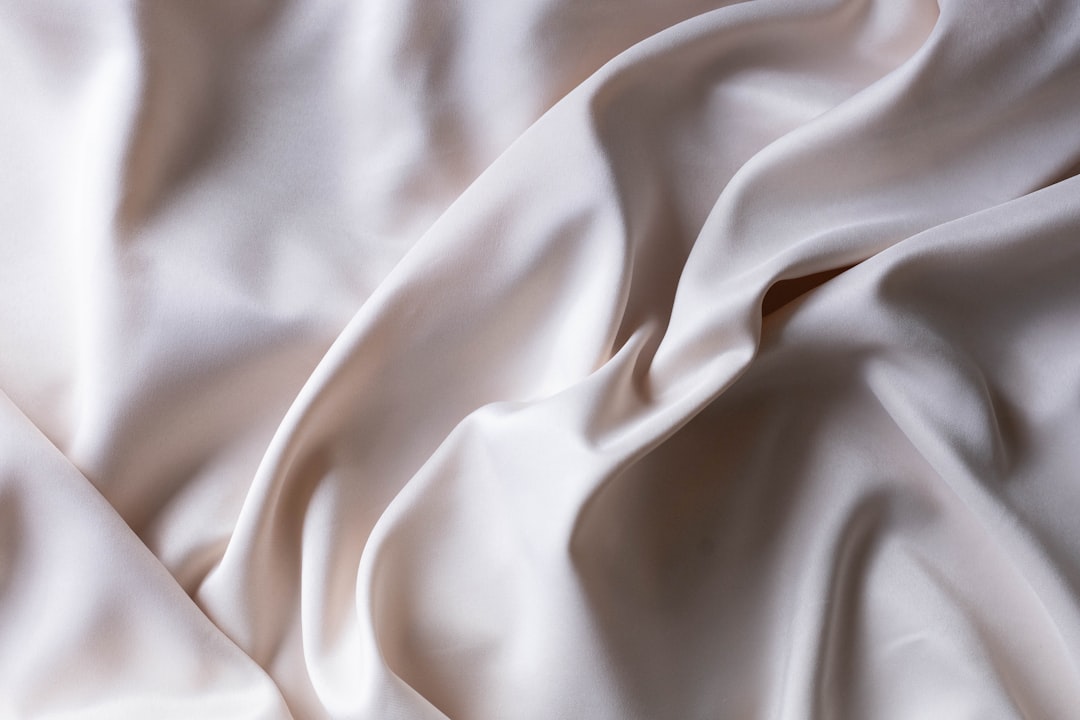 Photo by Lampos Aritonang on Unsplash
From Cotton Waste to Luxe Fabric: The Science of Cupro
At its core, cupro is a regenerated cellulose fiber, placing it in the same scientific family as materials like Tencel™ lyocell, modal, and viscose. What sets cupro apart is its unique starting point: cotton linter.
Cotton linter is the ultrafine, downy fuzz that clings to cotton seeds after the long, valuable staple fibers (the ones used to make conventional cotton fabric) have been ginned away. For decades, this byproduct was considered a waste material in the cotton industry, often discarded or used for low-value products like stuffing or paper.
The process to transform this waste into a luxurious fabric is called the cuprammonium process. It involves dissolving the cellulose from the cotton linter in a solution of copper and ammonia, then forcing this viscous liquid through a spinneret to create continuous filaments. These filaments are what give cupro its signature smoothness and silk-like sheen. The resulting fiber is sometimes marketed under the brand name Bemberg™, owned by the Japanese company Asahi Kasei, which is a leading producer known for its closed-loop systems that recover and reuse the copper and ammonia solvents.
This origin story is central to cupro’s appeal. It champions a circular economy principle by valorizing an agricultural byproduct. The final fabric boasts several inherent properties that make it desirable for dresses:
- Silk-Like Drape and Sheen: The long, continuous filaments create a fluid, heavy drape and a subtle, elegant luster that is remarkably similar to silk.
- Breathable and Thermo-Regulating: As a cellulosic fiber, it is highly breathable and can wick moisture, helping to keep you cool in warm weather—a key advantage for summer dresses and resort wear.
- Hypoallergenic: The fiber is smooth and non-irritating, making it a good option for those with sensitive skin.
- Dye Affinity: It takes dye beautifully, resulting in rich, vibrant, and colorfast hues.
The Sustainability Spectrum: Where Cupro Shines and Where Shadows Linger
Like most materials in sustainable fashion, cupro exists on a spectrum. Its environmental and ethical impact isn’t a simple “good” or “bad,” but depends heavily on how and where it is produced.
The Potential Advantages
When produced responsibly, cupro’s credentials are compelling:
- Waste-Based Input: Utilizing cotton linter reduces agricultural waste and does not require additional land, water, or pesticides specifically for its production, giving it an edge over conventional cotton from a raw material perspective.
- Biodegradable: As a plant-based cellulose fiber, cupro will naturally biodegrade under the right conditions, unlike petroleum-based synthetics like polyester.
- Closed-Loop Potential: Leading manufacturers like Asahi Kasei operate certified closed-loop systems where over 99% of the water, copper, and ammonia used in the process are captured and recycled back into production. This drastically reduces chemical effluent and resource waste.
The Critical Questions and Concerns
This is where a discerning eye is essential. The cuprammonium process is chemically intensive, and not all production is created equal.
- Chemical Management: The use of copper and ammonia raises valid concerns. If not managed in a strict closed-loop system, these chemicals can pollute waterways and harm factory workers and local ecosystems. The sustainability of a cupro garment is inextricably linked to the manufacturer’s practices.
- Transparency is Key: The brand you buy from must be transparent about their cupro source. The most credible option is cupro made with Bemberg™ fibers, as Asahi Kasei’s process is OEKO-TEX® and often bluesign® certified, ensuring safer chemical management. Unbranded “cupro” with no origin story is a red flag.
- The Vegan & Animal Welfare Angle: Cupro is a plant-based fiber, making it a vegan alternative to silk. For those who avoid silk due to concerns about the silkworm industry (where most conventional silk involves boiling the cocoons with the larvae inside), cupro offers a cruelty-free path to that luxurious feel. However, it’s worth noting that there are also more sustainable silk options, such as Ahimsa or Peace silk, where the moth is allowed to emerge before the cocoon is harvested. Some of the most sustainable silk clothing brands prioritize these methods alongside full traceability.
The takeaway? Cupro can be a lower-impact, vegan alternative to conventional silk and virgin synthetics, but only when it comes with credible certifications and transparency. It is not an inherently “perfect” fabric, but one whose virtues are unlocked by responsible manufacturing.
Cupro in Action: Performance, Care, and Ideal Uses for Dresses
So, how does cupro actually perform as a dress fabric? Understanding its behavior and care needs is crucial to determining if it fits your lifestyle and ensures the garment’s longevity.
Where Cupro Excels
For specific dress styles, cupro is a standout choice:
- Slip Dresses and Slinky Gowns: Its fluid, heavy drape is ideal for bias-cut slips and elegant evening wear that requires a smooth, clinging silhouette.
- Blouse-Style and Wrap Dresses: The breathability and soft sheen make it perfect for polished, daytime dresses that need to be comfortable and look refined.
- Resort and Vacation Wear: Its thermo-regulating and moisture-wicking properties are excellent for warm-weather destinations. A cupro maxi dress or a sleek set can be both luxurious and practical.
- Lined Blazers and Tailored Pieces: When woven tightly, cupro can create a structured yet breathable fabric suitable for smarter separates, offering an alternative to wool or polyester linings.
The Care and Longevity Trade-Offs
Cupro is delicate. Its care is more akin to silk than to hardier natural fabrics like linen or hemp. Here’s what you need to know:
- Washing: Hand washing in cold water with a gentle detergent is the gold standard. Machine washing, even on a delicate cycle, can cause pilling, snagging, and loss of shape. Always check the label; some cupro blends may be marketed as “machine washable,” but pure cupro is best treated with care.
- Drying: Never tumble dry. Lay the garment flat on a drying rack away from direct sunlight to maintain its shape and color. Hanging a heavy, wet cupro dress can cause it to stretch irreparably.
- Ironing: Use a low-heat steam setting. A high heat can scorch or melt the fibers. Iron on the reverse side while the fabric is still slightly damp for best results.
- Durability Concerns: Cupro can be prone to pilling, especially in areas of friction (under arms, along seams). It is also less abrasion-resistant than silk or high-quality cotton. This means it may not be the best choice for a dress you plan to wear very frequently or for high-activity occasions.
If mastering fabric care is part of your sustainable practice, our detailed guide on How to Wash Linen Without Ruining the Shape, Texture, or Drape offers principles on handling delicate natural fibers that can be applied to cupro as well.
 Photo by CHUTTERSNAP on Unsplash
Navigating the Market: Labels, Brands, and Healthy Skepticism
With cupro gaining popularity, it’s increasingly found everywhere from high-end sustainable labels to fast-fashion retailers. Discerning the difference is critical.
Labels and Certifications to Look For
These are your anchors in a sea of vague claims:
- Bemberg™ by Asahi Kasei: This is the most reliable indicator of cupro produced in a certified closed-loop system. Look for this name on the label or in the brand’s material description.
- OEKO-TEX® Standard 100: Certifies that the final fabric has been tested for a wide range of harmful substances, making it safer for your skin.
- bluesign®: A more comprehensive system that approves chemicals, processes, and products for the entire textile supply chain, ensuring reduced environmental impact.
- GOTS (Global Organic Textile Standard): While GOTS certifies organic fibers, it is not typically applicable to cupro, as the raw material (cotton linter) is a byproduct, not a farmed crop. A GOTS claim on cupro should be questioned.
Brand Recommendations and Context
When a brand is transparent about using certified, high-quality cupro, it can be a wonderful option. For instance, brands like Neu Nomads and Agatinia specifically highlight cupro as a centerpiece of their collections, often emphasizing its vegan and biodegradable qualities. Their focus on timeless resort wear and elegant essentials plays directly to cupro’s strengths.
However, be wary of:
- Vague “Eco-Friendly” or “Sustainable” Claims: Without a specific certification or fiber brand (like Bemberg™) backing it up, these are meaningless.
- Fast-Fashion Cupro: If a large retailer is selling a “cupro blend” dress at a very low price, it is almost certainly using a non-certified source and a high percentage of synthetic blends to cut costs. The durability and ethical production are likely compromised.
- The “Miracle Solution” Narrative: No single fabric solves all of fashion’s problems. Cupro is a compelling alternative in specific contexts, not a universal fix.
For a broader perspective on evaluating material claims, our comparison of Tencel vs. Linen for Summer Dresses delves into how different regenerated and natural fibers stack up.
Questions to Ask Before You Buy a Cupro Dress
Before you invest in that beautiful cupro dress, use these specific questions to guide your decision. The answers should be readily available from a transparent brand.
- What is the specific source of the cupro? Does the brand name Bemberg™ or Asahi Kasei? If not, what mill produces it, and what chemical management systems are in place?
- Are there any independent certifications? Look for OEKO-TEX® Standard 100 or bluesign® on the product page or hangtag.
- What is the blend? Is it 100% cupro, or a blend? Blends with elastane (for stretch) or polyester (for cost) change the care, durability, and end-of-life recyclability or compostability of the garment.
- What is the intended use of this specific dress? Is it a special-occasion piece where delicate care is acceptable, or do you need a daily workhorse? Cupro’s delicacy may not suit a dress for regular, active wear.
- How does the brand instruct me to care for it? Realistic care instructions are a sign of an honest brand. If they only recommend dry cleaning, factor that ongoing cost and environmental impact into your decision.
- Why is cupro the right material for this design? Does the brand explain why they chose cupro—for its drape, its breathability, its vegan quality? A thoughtful material choice is a hallmark of intentional design.
Ultimately, cupro is not a simple substitute, but a distinct fabric with its own story, strengths, and sensitivities. It offers a path to the luxury and drape of silk through a vegan, waste-based lens, but only when produced with rigor and transparency. By asking the right questions, you can determine if a cupro dress is a fleeting trend or a cherished, conscious addition to your wardrobe. The goal is not to find a perfect fabric, but to make a perfectly informed choice.