You RSVP’d yes to a fall wedding three months ago. Now it’s two weeks out, the dress code on the invite says “garden formal, autumn palette,” and you’re standing in your closet realizing that your options are a) the same navy dress you’ve worn to every wedding since 2019, b) something that reads more office-cocktail than ceremony, or c) panic-buying a $180 polyester dress that will pill after one wash. None of these feel right, and none of them feel like you.
Here’s the reframe that changes everything: a fall wedding guest outfit isn’t a one-off purchase. It’s a formula. Four formulas, actually, and each one is built from pieces that already work in your regular rotation — a silk slip you wear to dinner, a wool blazer you wear to work, boots you wear all season. The only guest-specific variable is how formal you need to be and whether the venue is indoors, outdoors, or both. Get that part right and the rest is assembly, not shopping.
The piece that most often goes wrong is the one people buy new under pressure: the dress. Secondhand silk and satin are everywhere, they photograph beautifully in fall light, and they layer like a dream — but only if you know how to care for them. If you’re buying a slip or a satin midi for the first time, read our guide to caring for secondhand silk and satin before you commit, because a wedding is a terrible place to discover a water stain set into the fabric. Same logic for trousers: if your fall wedding look hinges on a pair of thrifted wool trousers, our wool trouser pressing and moth playbook is the difference between crisp and crumpled by cocktail hour.
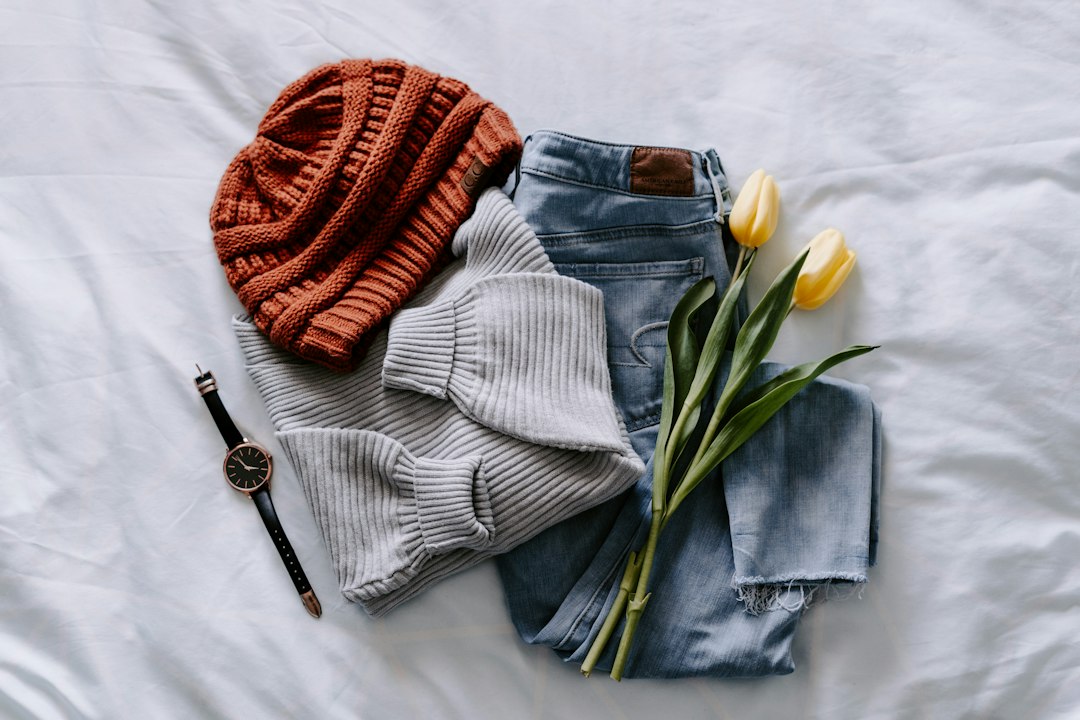 Photo by Angela Bailey on Unsplash
The Four Formulas at a Glance
Before the details, here’s the decision structure. Each formula is a repeatable outfit with three slots — a base, a layer, and a finish — and each one maps to a different wedding format. The slots are deliberately swappable so you can rewear the same pieces across multiple weddings and across your regular life.
| Formula | Best for | Base | Layer | Finish | Formality |
|---|---|---|---|---|---|
| 1. The Slip and Knit | Indoor or tented receptions, evening ceremonies | Secondhand silk slip dress | Fine-gauge knit or cropped cardigan | Ankle boots, small bag | Semi-formal |
| 2. The Trouser and Blazer | City venues, daytime ceremonies, “cocktail” dress codes | Secondhand wool trousers | Structured blazer | Loafers or heeled boots | Cocktail |
| 3. The Midi and Boot | Outdoor, barn, or garden venues with uneven ground | Secondhand midi dress (darker print) | Denim or leather jacket | Tall boots | Smart casual to semi-formal |
| 4. The Separates and Vest | Creative or relaxed dress codes, afternoon weddings | Silk or satin skirt or wide-leg trousers | Waistcoat or knit vest | Heels or flats | Smart casual |
The formulas aren’t rigid. Formula 1 and Formula 3 share a boot slot. Formula 2 and Formula 4 share a tailoring slot. That overlap is the point: you’re not buying four outfits, you’re building a small set of pieces that recombine.
Formula 1: The Slip and Knit
This is the formula for the wedding where the invite says “cocktail” but the venue is a converted warehouse with exposed brick and the heating is unpredictable. A secondhand silk slip dress in a fall color — rust, olive, chocolate, deep berry — is the base. Over it goes a fine-gauge knit: a cropped cardigan, a fitted merino crew, or a short-sleeve knit vest. The knit does two jobs: it makes a slip dress read as intentional rather than lingerie, and it keeps you warm when the ceremony runs long and the doors are open.
The finish is where this formula earns its keep. Ankle boots in leather or suede, a small structured bag, and one piece of jewelry. No strappy sandals — they read summer, and they’re miserable on cold stone floors.
What to look for secondhand
Silk slips are one of the most abundant secondhand categories and one of the most variable in quality. Look for a weight you can feel through the screen — heavier silk hangs, lighter silk clings. Check the underarm area and the hem for sweat stains and water marks, which are the two most common dealbreakers. Bias-cut slips from the 90s and early 2000s are widely available and often better made than contemporary fast-fashion versions.
For the knit layer, a cropped cardigan in merino or a merino-cashmere blend is the most versatile choice because it works over the slip and over everything else in your closet. If you’re buying secondhand cashmere, our cashmere shopping checklist covers the pilling and moth-damage inspection points that matter most.
Brand note
If you’re buying the knit new rather than secondhand, a fine-gauge merino cardigan from a brand like [AFFILIATE_LINK_UNBOUND_MERINO] or [AFFILIATE_LINK_EVERLANE] is the workhorse version of this layer — thin enough to layer under a jacket later, warm enough to carry the outfit. Buy it in a color that appears in your existing wardrobe twice already.
Formula 2: The Trouser and Blazer
This is the formula for the wedding where “cocktail” means a city venue, a 4 p.m. ceremony, and a reception that starts before dark. It’s also the formula for anyone who simply doesn’t want to wear a dress, which is a perfectly good reason.
The base is a pair of secondhand wool trousers — straight-leg or a gentle wide-leg, in charcoal, navy, chocolate, or a muted plaid. The layer is a structured blazer, ideally in a contrasting but harmonious tone: a camel blazer over charcoal trousers, a navy blazer over chocolate. The finish is loafers or a low heeled boot and a bag that can go over the shoulder so your hands are free for a glass and a plate.
Why trousers beat a dress here
Trousers and a blazer read as formal without reading as costume. They’re warmer than a dress in a drafty venue, they photograph well in low light, and — critically — every piece works in your regular life. The blazer goes to work. The trousers go to dinner. You are not buying a wedding outfit; you are buying a better version of clothes you already wear.
The fit check that matters
Secondhand wool trousers live or die on the waist and the hem. Check the rise against a pair you already own, and budget for a hem if the inseam is long — a tailor is cheaper than a new pair. Our wool trouser care playbook covers pressing and lining repair, which is where most thrifted pairs need attention before they’re wedding-ready.
Brand note
For the blazer, a secondhand wool or wool-blend blazer from a label with real tailoring behind it — think [AFFILIATE_LINK_J_CREW] suiting from a few seasons back, or a vintage [AFFILIATE_LINK_PENDLETON] — will outlast anything new at the same price. If you’re buying new, [AFFILIATE_LINK_EVERLANE] makes a wool-blend blazer that holds its shape through repeated wear.
Formula 3: The Midi and Boot
This is the formula for the outdoor wedding — the barn, the garden, the vineyard, the venue with a gravel path and a ceremony that starts on grass. The base is a midi dress in a darker print or a solid fall tone, hemmed to just below the knee or mid-calf so it clears the ground. The layer is a denim jacket, a leather jacket, or a heavier knit depending on how cold the forecast runs. The finish is tall boots with a walkable heel.
The ground rule
Outdoor venues punish the wrong shoe. A block heel or a flat tall boot is the difference between a pleasant evening and a two-hour balancing act. If you’re buying secondhand boots for this, our secondhand boot inspection checklist covers the sole, leather, and fit checks that predict whether a pair will survive a season of outdoor events.
The dress rule
A darker print hides the two things that ruin an outdoor wedding dress: grass stains and a spilled drink. A midi length keeps the hem out of the mud. And a dress in a print you actually like is a dress you’ll wear to dinner, to work with a knit over it, and to the next wedding. Solid midi dresses are the more versatile purchase; printed ones are the more forgiving one. Either works.
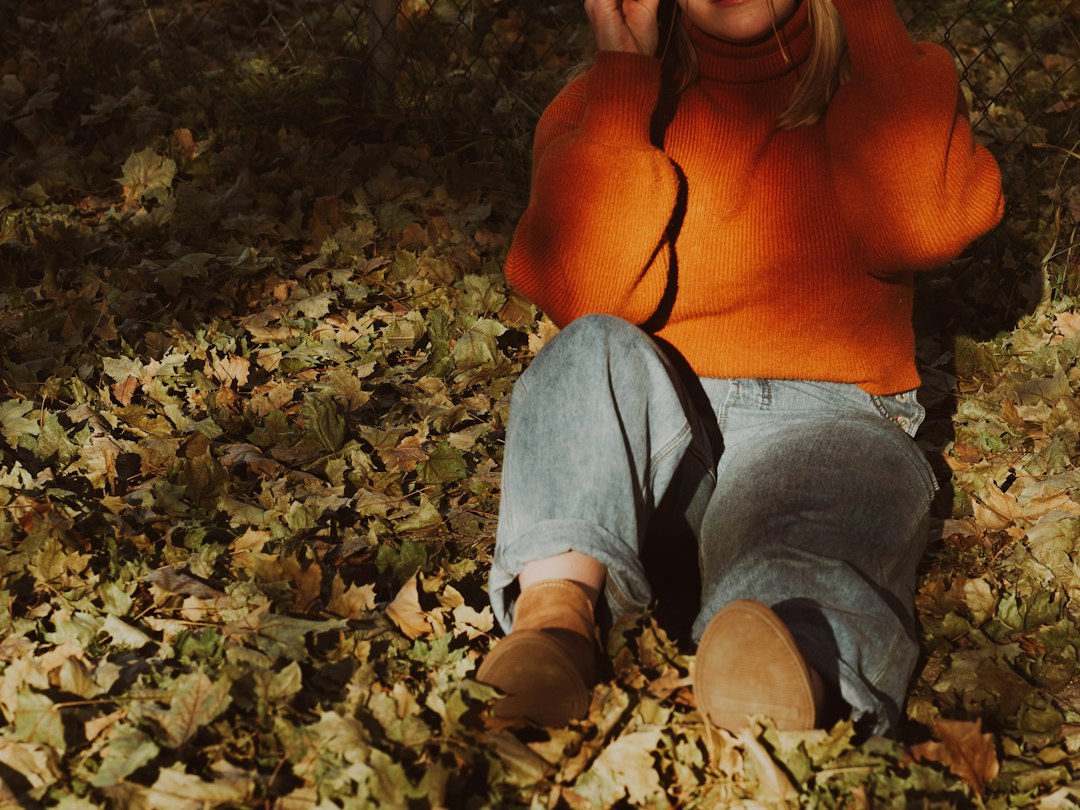 Photo by olivia lacher on Unsplash
Formula 4: The Separates and Vest
This is the formula for the wedding with a creative or relaxed dress code — the afternoon ceremony, the gallery reception, the “come as you are” invite that still expects you to look like you tried. The base is a silk or satin skirt or a pair of wide-leg trousers. The layer is a waistcoat or a knit vest. The finish is a heel or a polished flat.
The vest is the piece that makes this formula read as deliberate rather than casual. A waistcoat over a silk skirt is a silhouette that photographs beautifully and layers well under a coat later. A knit vest over wide-leg trousers is the softer version of the same idea.
The versatility test
This formula is the most rewearable of the four because every piece separates cleanly. The silk skirt goes to dinner with a sweater. The wide-leg trousers go to work with a blazer. The vest goes over a shirt. If you’re building a fall wardrobe rather than a single outfit, this is the formula to start with — and if you want more of this kind of recombination, our five-outfit fall layering system is the deeper version of the same logic.
Brand note
For the vest, a secondhand tailored waistcoat in wool or a wool blend is the most durable option and the easiest to find. If you’re buying new, [AFFILIATE_LINK_QUINCE] makes a washable silk skirt and a knit vest that hit the right formality without the dry-clean-only problem.
The Decision Rules That Keep You From Overbuying
Four formulas are only useful if they stop you from buying a fifth thing you don’t need. These are the rules that do that work.
Rule one: pick the formula before you shop. Read the invite, note the venue and the dress code, and choose one formula. Then shop only the slots that formula requires. Most people overbuy because they shop for a vibe rather than a slot.
Rule two: the layer is the variable, not the base. Your base — the dress or the trousers — should be the most versatile piece you own. The layer is what changes with the venue and the weather. If you’re buying one new thing, buy the layer, because it’s the piece that gets reused across formulas.
Rule three: buy the shoe you can walk in. Every formula ends in footwear, and footwear is where wedding outfits fail. A block heel, a loafer, or a flat tall boot will carry you through the ceremony, the photos, and the walk to the car. If you’re choosing between two pairs, choose the one you’d wear to a museum.
Rule four: check the care before you commit. Secondhand silk, wool, and cashmere all need specific care, and a wedding is not the week to learn it. Our silk and satin care playbook and wool trouser playbook are the two references to read before you buy.
Rule five: one new piece per wedding, maximum. If you’re building this wardrobe over a season of weddings, let each event justify one purchase — a knit, a blazer, a pair of boots — and let the rest of the outfit come from what you own. Two weddings in, you have a rotation. Three weddings in, you have a wardrobe.
Repeatable Outfits, Not One-Off Looks
The reason this formula works is that it treats a wedding as a dress-code problem rather than a shopping problem. The dress code tells you the formality and the venue; the formula tells you the slots; your closet fills the rest. The pieces you buy for a fall wedding — a silk slip, a wool blazer, a pair of tall boots, a knit vest — are the same pieces that carry you through the rest of the season, from dinners to work to the next invitation.
So the next step is small and specific: pull up the invite for your next fall wedding, note the venue and the dress code, and pick one formula from the table above. Then open your closet and fill the slots you already have. Shop only the empty slot, and only if you can’t borrow or rewear your way around it. The outfit you wear to the ceremony should be the outfit you’d wear again on a Tuesday — that’s the test that separates a formula from a one-off look.