You have a garba or dandiya night on the calendar, maybe two, possibly four if your family treats Navratri the way mine does—and you’ve already done the math on what a “festive outfit” actually costs. One heavily embroidered chaniya choli from a fast-fashion festive drop runs $80 to $150, it sheds mirror work by night two, and by next October it looks dated enough that you don’t want to rewear it. Multiply that by five nights of garba and you’re looking at a seasonal wardrobe that exists for one week a year.
The alternative isn’t buying nothing. It’s building five outfits from a small set of secondhand and ethically made pieces that mix, layer, and re-combine—so night one and night five don’t look like reruns, and none of it falls apart mid-dandiya. This is a formula, not a shopping list: a fixed set of slots, a color rule, and a rotation that gets you through the full week.
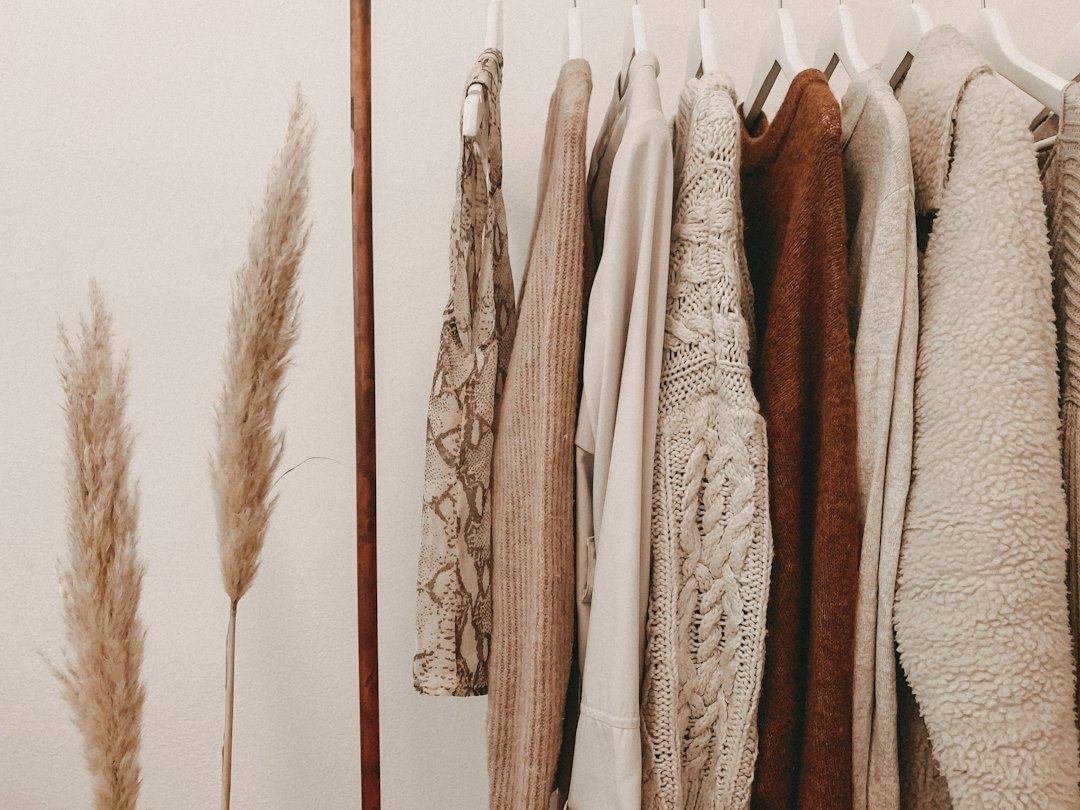 Photo by Alyssa Strohmann on Unsplash
The garba wardrobe problem: festive pieces that only work once
Garba and Navratri dressing has a specific set of physical demands that most festive fashion ignores. You’re spinning. You’re bending, clapping, doing two-step turns for three hours in a courtyard or a community hall with questionable flooring. You’re sweating under stage lights or string lights or just body heat from 200 other people. And you’re doing it in an outfit that’s usually built from synthetic embroidered fabric with heavy mirror and bead work sewn on with thread that was never meant to survive friction.
So the failure modes are predictable:
- The skirt is too heavy or too long. A 12-panel cotton chaniya with a stiff canvas lining looks gorgeous standing still and becomes a tripping hazard the moment you do a full spin. Anything that drags needs to be hemmed or skipped.
- The blouse doesn’t breathe. Festive cholis are frequently polyester or a poly-blend with sequin work. Underarm seams blow out first.
- The dupatta won’t stay pinned. Pins pop, the fabric slides off synthetic blouses, and you spend the night re-draping instead of dancing.
- The embellishment sheds. Mirror work and gota patti attached with weak thread will leave a trail of tiny silver discs across the dance floor.
If you’re buying secondhand, you inherit these problems at a discount—which is still a problem. So the formula below is built around pieces that can take movement: natural fibers where they touch your skin, secure construction, and a color logic that lets a small number of pieces read as many outfits.
One useful detour: the same instincts that make a secondhand purchase worth it for a winter coat apply here. If you want a refresher on how to inspect a thrifted piece for hidden damage before you commit, our secondhand puffer jacket shopping checklist walks through the seams, lining, and zipper checks—and the same logic transfers directly to inspecting a secondhand chaniya or a festive blouse.
The five-slot formula: what you actually need
Five outfits does not mean twenty-five pieces. It means five slots filled by pieces that each appear in two or three outfits. Here’s the structure:
| Slot | What it is | How many pieces | Appears in |
|---|---|---|---|
| Base layer | Breathable blouse, choli, or fitted top | 2 | All 5 outfits |
| Skirt or bottom | Chaniya, lehenga skirt, or wide-leg pant | 2 | All 5 outfits |
| Drape | Dupatta, odhni, or scarf | 2 | All 5 outfits |
| Layer | Light jacket, embroidered vest, or open shirt | 1 | 2–3 outfits |
| Finish | Belt, jewelry set, hair accessory | 2–3 | All 5 outfits |
That’s nine to ten pieces total, and the math works because the base layers and skirts cross-combine. Two blouses × two skirts = four distinct silhouettes before you’ve touched a dupatta. Add two drapes and you’re at eight, then the layer and finish pieces push you well past five without a single new purchase.
The key constraint: every piece must work with at least two others in the set. If you fall in love with a fuchsia lehenga that only matches one blouse you own, it’s a one-outfit purchase. Skip it, or plan to buy the second blouse too.
Slot 1: The base layer
This is the piece doing the most physical work, so it’s where fiber matters most. Cotton, cotton-silk, or a bamboo lyocell blend will keep you from overheating during a three-hour garba set. If you’re weighing fabric options for breathable tops generally, our explainer on bamboo lyocell versus cotton and viscose covers which ones actually wick and which ones just feel cool when you first put them on.
Secondhand, look for:
- Cotton cholis from the 90s and 2000s. Older festive blouses were often made in cotton with hand-stitched mirror work, and they hold up better than modern poly versions. Check the underarm seams and the back ties.
- Embroidered cotton blouses repurposed from everyday wear. A well-made cotton blouse with a bit of embroidery reads festive when styled with a skirt and dupatta, and it works for non-festive occasions too.
- Silk-blend fitted tops. Silk breathes reasonably well and photographs beautifully under warm light. Just be aware that secondhand silk needs specific care—our silk scarf and slip care playbook covers washing and storing without losing the sheen, and the same rules apply to a silk festive top.
For new ethical options, FabIndia cotton kurtas and blouses are widely available, reasonably priced, and cut for movement. Suta makes handwoven cotton and silk-cotton blouses with a relaxed fit that works for dancing. Both run true to size and both are worth checking for festive-adjacent pieces you’ll rewear.
AFFILIATE_LINK_FABINDIA AFFILIATE_LINK_SUTA
Slot 2: The skirt or bottom
Two skirts is the target. One should be a heavier, more structured chaniya or lehenga in a color that anchors your palette. The other should be lighter—a cotton skirt, a flared midi, or even wide-leg palazzo pants in a festive fabric.
The weight question matters more than the style question. A structured chaniya with a canvas lining holds its shape beautifully for photos but gets hot and heavy by hour two. A lighter cotton skirt spins well and stays cool but can look less formal. Having one of each lets you match the outfit to the venue: heavier for a big community garba with photos, lighter for a smaller house gathering or a night where you know you’ll be dancing hard.
Secondhand sourcing notes:
- Check the hem length against your height with flats on. Garba involves a lot of footwork, and a skirt that grazes the floor in heels will trip you barefoot.
- Look for drawstring or elastic waists rather than rigid hook-and-eye closures. You’ll be bending and twisting.
- Inspect the mirror and bead work by gently tugging a few pieces. If they lift easily, they’ll be gone by the end of the night.
For ethically made new options, Okhai sells handcrafted cotton and cotton-silk skirts and lehengas made by artisan cooperatives, and their pieces are cut for real movement rather than display. Ka-Sha and Doodlage both work with upcycled and deadstock fabrics and occasionally release festive-adjacent separates worth watching.
AFFILIATE_LINK_OKHAI
Slot 3: The drape
Two dupattas, both of which need to actually stay on. This is where most festive outfits fail in practice—the drape is the piece you re-pin every twenty minutes if you haven’t thought it through.
The fix is twofold. First, choose drapes in fabrics with a bit of grip: cotton, cotton-silk, or a textured weave. Slippery pure synthetics will slide off your shoulders no matter how many pins you use. Second, choose a draping method that distributes weight across your body rather than relying on a single pin point. A dupatta pinned at both shoulders and belted at the waist stays put through spins far better than one pinned at one shoulder.
Color logic: your two drapes should be one neutral-ish (cream, ivory, deep gold, black) and one that picks up a color from your skirts. That gives you a drape that works with everything and a drape that creates a specific look.
Secondhand dupattas are abundant and cheap—thrift stores and vintage sellers frequently have stacks of them because they’re the piece people discard first when an outfit stops working. Look for hand-block-printed cotton, kantha-stitched silk, or bandhani. If you find a silk one, treat it the way you’d treat any secondhand silk: gentle wash, cool water, dry flat away from direct sun. Our silk scarf care playbook has the full method if you’re unsure.
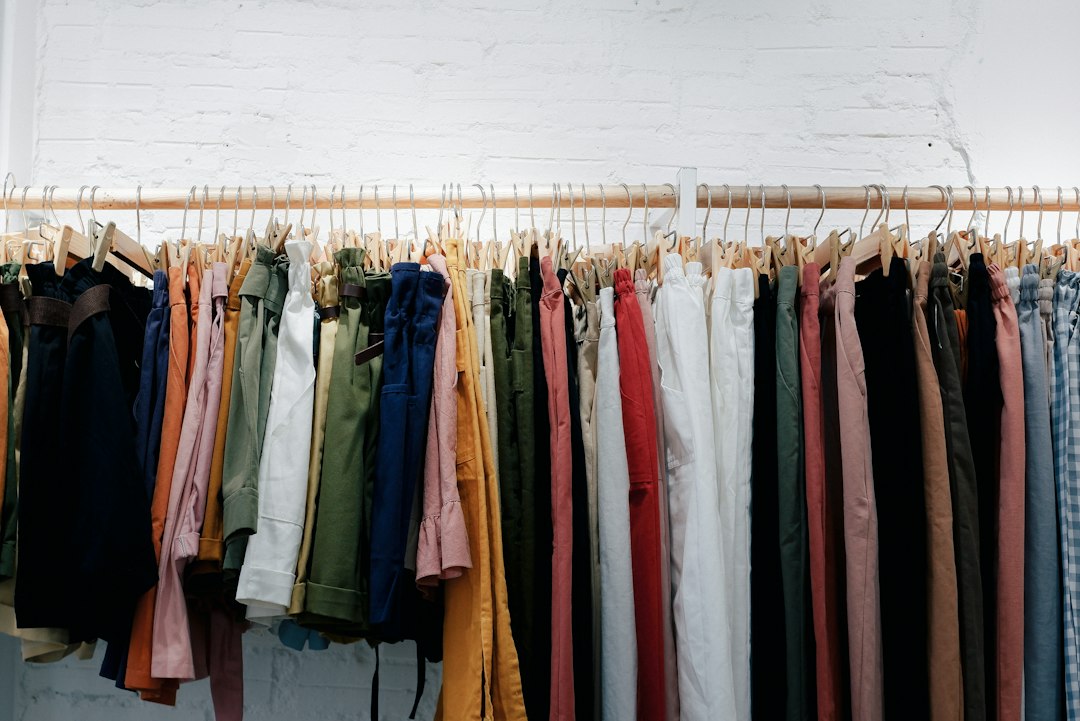 Photo by Fujiphilm on Unsplash
Slot 4: The layer
One layer piece, worn for two or three of the five nights. This is your temperature regulator and your outfit-changer. A light embroidered jacket, an open cotton shirt worn over a blouse, or a short koti vest all work.
The layer is what makes outfit three look different from outfit one even when you’re wearing the same blouse and skirt. It also solves the practical problem of outdoor garba nights that start warm and end cold, or indoor halls with aggressive air conditioning.
Secondhand, look for:
- Embroidered kurtis or jackets that can be worn open.
- Cotton or silk vests in a color that ties your palette together.
- A structured short jacket in a solid color—this reads modern and lets you rewear the whole outfit to a non-festive event later.
If you’re buying new, No Nasties makes organic cotton layering pieces, and Brown Living stocks a rotating selection of ethical Indian labels with festive layers. Neither is garba-specific, which is the point—a layer you can wear in November to a dinner is a better investment than one that only works for Navratri.
AFFILIATE_LINK_NO_NASTIES
Slot 5: The finish
Two or three finishing pieces that do the heavy lifting of making the same base outfit read as a different look. A belt worn over the dupatta. A statement jewelry set. A hair accessory or a flower garland.
This is where secondhand and vintage shine, because festive jewelry is one of the most abundant categories in thrift and vintage markets. Oxidized silver, temple jewelry, jhumkas, and bangles turn up constantly, often at a fraction of new prices, and older pieces are frequently better made than modern costume versions.
Pick:
- One metal tone and stick to it across all your jewelry. Mixing silver and gold across five outfits makes the whole set look accidental.
- One statement piece (a necklace or a pair of large earrings) and one supporting piece (bangles, a ring, a maang tikka).
- One hair solution that works for dancing—a braid with a parandi, a bun with a garland, or a headband you won’t have to adjust.
The color rule that makes five outfits from nine pieces
The single biggest reason a small festive wardrobe fails is color chaos. If your blouses, skirts, and drapes are all in different color families, you get two or three workable combinations and a lot of dead pieces.
The fix is a two-color-plus-neutral palette:
- Pick one dominant color (deep red, emerald, royal blue, mustard).
- Pick one accent color that appears in smaller doses (gold, pink, teal).
- Anchor everything with a neutral (ivory, black, or a warm off-white).
Then assign your pieces:
- Blouse 1: neutral or dominant
- Blouse 2: accent
- Skirt 1: dominant
- Skirt 2: neutral or a print that includes both dominant and accent
- Dupatta 1: neutral
- Dupatta 2: accent or print
- Layer: neutral or dominant
- Finish: metal tone that reads with both
With that structure, every blouse works with every skirt, and every dupatta works with every combination. You get eight base combinations from four pieces, and the layer and finish pieces push the perceived outfit count higher still.
If you’re building a festive wardrobe alongside other seasonal capsules, the same logic applies to fall layering—our 5-outfit fall layering system uses the same slot-and-cross-combine structure for transitional weather, and it’s worth reading if you want to see how the formula scales beyond Navratri.
Five nights, five outfits: the rotation
Here’s how the pieces actually rotate across a five-night garba week. This assumes the palette above.
Night 1 — The anchor look. Dominant skirt, neutral blouse, neutral dupatta, no layer, full jewelry. This is your most photographed outfit; wear it while everything is still crisp.
Night 2 — Swap the drape. Same skirt and blouse, accent dupatta, belt over the drape, different jewelry emphasis (bigger earrings, fewer bangles).
Night 3 — Swap the skirt. Neutral or print skirt, accent blouse, neutral dupatta, layer worn open. The layer changes the silhouette enough that this reads as a new outfit.
Night 4 — Reverse the palette. Dominant blouse, neutral skirt, accent dupatta, layer worn closed or belted. This is the night you wear the combination you didn’t think would work.
Night 5 — The remix. Whichever skirt and blouse you liked best, opposite drape from night one, layer on, hair different. By night five nobody is tracking your outfits anyway—they’re tracking whether you can still do a full spin.
Two laundry notes: cotton and cotton-silk pieces can be hand-washed and line-dried between nights if you’re careful, but if you’re dancing hard, plan to air them overnight and wash at the end of the week. Silk and heavily embellished pieces should be aired, not washed, between wears. And if any piece is vintage or delicate, spot-clean rather than full-wash—the same repair-first instinct that applies to a secondhand wool coat applies here, and our wool coat care playbook is a useful reference for how to treat a piece you want to last another decade.
Repeatable Outfits, Not One-Off Looks
The reason this formula works is that it treats garba dressing as a rotation problem rather than a shopping problem. Nine to ten pieces, a two-color-plus-neutral palette, and a slot structure that guarantees every piece works with at least two others—that’s five outfits, and it’s also a set of clothes you can rewear next Navratri without anyone noticing, because the combinations will still feel new.
Your next step: before you buy anything, pull out what you already own and sort it into the five slots. You’ll likely find you’re missing one slot, not five. Fill that gap secondhand or from an ethical brand, keep the palette tight, and spend the money you saved on good pins and a dupatta that actually stays put.