You bought the linen dress. The good one—the one that somehow made you feel both elegant and unbothered in the dressing room. It hung perfectly, draped softly, and promised a summer of effortless cool.
Then you washed it.
What came out of the machine looked like a crumpled napkin that had been through a hurricane. The fabric had shrunk just enough to make the sleeves tight, and the wrinkles were so set in they seemed structural. You spent twenty minutes with an iron, only to realize the damage was already done: the weave had pulled, the seams had puckered, and that effortless drape was gone.
This is the moment most people give up on linen. They assume it’s “high maintenance,” donate it after one season, or worse, toss it in the bin. But here’s the truth: linen is not fragile. It’s one of the most durable natural fibers on the planet—stronger wet than dry, more breathable than cotton, and biodegradable at the end of its life. The problem isn’t the fabric. It’s the care routine.
Consider this your playbook. We’ll move through prevention, step-by-step washing, drying tactics, storage strategies, and the rare moment when replacement is actually justified. By the end, you’ll treat linen the way it deserves to be treated: like a long-term relationship, not a one-summer fling.
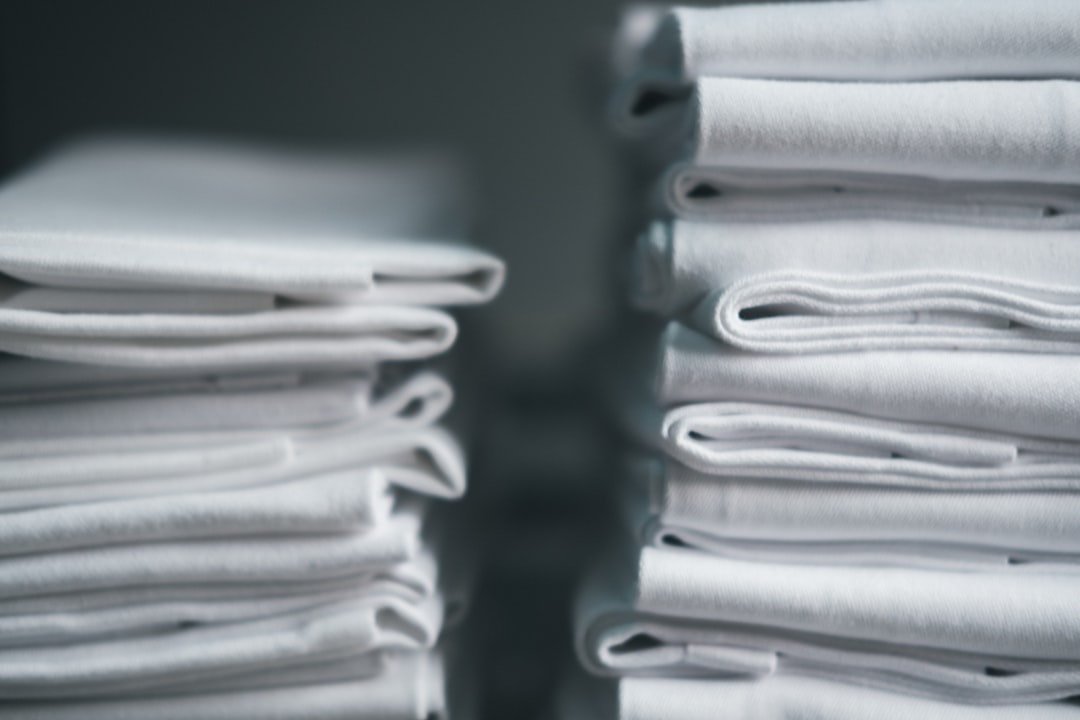 Photo by Dan Burton on Unsplash
Why Your Linen Shrinks and Wrinkles (And How to Stop It Before It Starts)
Linen is made from flax fibers, which are long, strong, and hollow. That hollow structure is what makes linen so breathable and quick-drying—but it also means the fibers are sensitive to sudden changes in temperature and moisture. When you drop a linen garment into hot water, those fibers contract rapidly. The result? Shrinkage of up to 10 percent, especially on the first wash.
The same goes for agitation. Linen fibers are stiff when dry, but they soften and swell when wet. Over-agitating—whether from a vigorous machine cycle or aggressive hand-wringing—causes the fibers to rub against each other, leading to fraying along seams and a loss of that crisp structure.
The prevention rule: Never let linen encounter water above 40°C (104°F). The sweet spot is 30°C (86°F), which is cool enough to protect the fibers but warm enough to lift everyday dirt and sweat. If your machine has a “delicates” or “hand wash” cycle, use it. If not, the shortest, gentlest cycle your machine offers will do.
This is also where reading your fiber content tag becomes essential. Many garments labeled “linen” are actually blends—linen-cotton, linen-viscose, or linen-polyester. Blends behave differently. A linen-cotton blend, for example, will wrinkle less but may shrink more if the cotton content is high. For a full breakdown of how to decode those tiny tags, check out our guide on How to Check a Garment’s Fiber Content Tag.
The Step-by-Step Wash Routine for Wrinkle-Free Linen
Pre-Wash: Check, Spot, and Prep
Before you even turn on the tap, do two things:
-
Check the care label. Yes, even if you think you know. Some linen garments are pre-washed (often labeled “pre-shrunk” or “garment-washed”), which means they’ve already gone through a controlled shrinking process. Others are raw or “dry” linen, which will shrink more aggressively. If the label says “dry clean only,” honor it—some structured linen pieces (like tailored blazers or lined trousers) have internal components that can’t survive a machine cycle.
-
Spot-treat stains. Linen is naturally absorbent, which is great for comfort but terrible for stains. Treat spots immediately with a dab of mild detergent or a gentle stain remover. Rub gently—never scrub—and let it sit for five minutes before washing.
Machine Washing: The Right Settings
- Water temperature: 30°C (86°F). Never exceed 40°C (104°F).
- Cycle: Delicate, gentle, or hand-wash cycle.
- Spin speed: Low (600-800 RPM). High spin speeds can set wrinkles into the fabric.
- Detergent: Use a mild, liquid detergent. Avoid bleach, fabric softener, and anything with optical brighteners. Linen doesn’t need softeners—it softens naturally with each wash.
- Load size: Don’t overload the machine. Linen needs room to move freely. Overcrowding increases friction, which causes wrinkles and wear.
One pro trick: Turn your linen garments inside out before washing. This protects the outer surface from abrasion and helps maintain color vibrancy, especially for darker shades.
Hand Washing: When to Choose This Route
Machine washing is fine for most linen, but hand washing is better for:
- Delicate weaves (like handkerchief linen or gauze)
- Garments with lace, embroidery, or decorative stitching
- Very dark colors (indigo, charcoal, deep rust) that might bleed
Fill a basin with lukewarm water (30°C) and add a small amount of mild detergent. Submerge the garment, gently swish it around, and let it soak for 10-15 minutes. Rinse with cool water until no soap remains. Do not wring or twist—press the water out gently with your hands, then roll the garment in a clean towel to absorb excess moisture.
Drying: The Make-or-Break Moment
This is where most linen care routines fall apart. The dryer is not your enemy, but it needs to be handled with precision.
Air Drying (Preferred Method)
Air drying is the gentlest option and produces the fewest wrinkles—if done correctly.
- Shape, don’t hang. Wet linen is heavy. Hanging it straight from the shoulders can stretch the fabric out of shape, especially at the neckline and armholes. Instead, lay the garment flat on a drying rack or a clean towel, smoothing out the fabric with your hands. Reshape the seams and hems so they lie flat.
- Avoid direct sunlight. Sunlight will bleach linen over time, especially darker colors. Dry indoors or in the shade.
- Don’t overdry. Linen should be removed from the drying rack when it’s still slightly damp—about 80-90% dry. This is the perfect moisture level for ironing or steaming.
Machine Drying (When You’re in a Hurry)
You can use a dryer, but the margin for error is narrow.
- Low heat only. High heat will shrink linen and set wrinkles permanently.
- Remove while damp. Set a timer and check the garment every 10 minutes. The moment it feels barely damp (but not wet), take it out. Do not let it run through a full drying cycle.
- Shake it out. Give the garment a firm shake before laying it flat or hanging it. This loosens the fibers and prevents wrinkles from setting.
The twist trick: If you want a controlled, lived-in texture (think: that relaxed, rumpled look that makes linen look intentional), take the damp garment by the top and bottom edges and twist it gently before laying it flat to finish drying. This creates soft, even creases that look deliberate rather than sloppy.
Ironing and Steaming: The Wrinkle Eraser
Linen wrinkles. It’s part of its character. But there’s a difference between a soft, natural drape and a crushed, slept-in mess.
When to Iron
Iron linen while it’s still slightly damp. If it’s completely dry, use a spray bottle to mist it lightly before ironing. Set your iron to the “linen” or highest heat setting (usually three dots). Iron on the reverse side of the fabric to avoid shine marks, especially on dark colors.
Pro tip: For crisp collars, cuffs, and hems, use a bit of spray starch. It adds structure without damaging the fibers.
When to Steam
Steaming is better than ironing for most linen garments, especially structured pieces like shirts and dresses. A handheld steamer is gentler on the fibers and less likely to create harsh creases. Hang the garment, steam evenly, and let it hang for a few minutes to let the wrinkles fall out naturally.
Storage: How to Keep Linen Fresh Between Wears
Linen is a natural fiber, which means it breathes—and that also means it’s susceptible to moths, mildew, and yellowing if stored improperly.
Short-Term Storage (Daily Wear)
Hang linen on wide, padded hangers to maintain shoulder shape. Avoid wire hangers, which can create permanent dents. Leave a little breathing room between garments—linen needs airflow to prevent moisture buildup.
Long-Term Storage (Seasonal)
- Fold, don’t hang. Linen garments stored for more than a few weeks should be folded. Hanging for extended periods can cause the fabric to stretch at the shoulders and waist.
- Use breathable storage. Cotton garment bags or acid-free tissue paper are ideal. Avoid plastic dry-cleaning bags, which trap moisture and can cause yellowing.
- Add natural repellents. Cedar blocks or lavender sachets deter moths without the chemical smell of mothballs.
- Store in a cool, dry place. Humidity is linen’s enemy. If your closet is damp, consider a small dehumidifier or silica gel packs.
Rescue Tactics: When Things Go Wrong
Even with the best intentions, accidents happen. Here’s how to fix the most common linen disasters.
You Accidentally Used Hot Water
If your linen has already shrunk, don’t panic. Fill a basin with lukewarm water and a capful of hair conditioner. Soak the garment for 30 minutes. The conditioner relaxes the fibers, making them more pliable. Gently stretch the fabric back to its original shape while it’s wet, then lay flat to dry. This won’t restore 100% of the original size, but it can recover 50-70% of the shrinkage.
The Wrinkles Won’t Come Out
If your linen came out of the dryer looking like a crumpled receipt, rewash it on the delicate cycle with cool water. Remove it while still damp, then steam or iron immediately. The combination of moisture and heat will relax even the most stubborn creases.
A Stain Set In
For protein-based stains (sweat, blood, grass), soak in cold water with a dash of white vinegar for 30 minutes before washing. For oil-based stains, sprinkle baking soda on the spot, let it sit for 15 minutes, then dab with a mild dish soap before washing. Never rub—linen’s absorbent nature means rubbing just pushes the stain deeper into the fibers.
When Replacement Is Actually Justified
Linen is durable, but it isn’t immortal. Here’s when it’s time to let go:
- The fabric has thinned to the point of transparency. If you can see through the weave when holding it up to light, the fibers have degraded beyond repair.
- Seams are fraying or splitting. This is often a sign of poor construction, not poor care. If the seams are unraveling after only a few washes, the garment wasn’t made to last.
- Persistent yellowing. This happens when linen is stored in plastic or exposed to high heat over time. Once the yellowing has set in, it’s usually irreversible.
In those cases, consider upcycling. Linen makes excellent cleaning cloths, produce bags, or even patchwork for other garments. If you’re ready to replace it, look for secondhand linen first. Pre-owned linen has already gone through its initial shrinkage, so what you see is what you get. Our guide on How to Build a Sustainable Wardrobe on a Budget has tips for finding quality linen pieces at thrift stores.
The Care Routine Worth Keeping
Linen asks for very little: cool water, gentle handling, and a patient drying process. In return, it gives you years of wear—garments that soften with age, breathe in the heat, and develop a patina that synthetic fabrics can’t replicate.
The mistake most people make is treating linen like cotton. Cotton can handle abuse. Linen cannot. But once you learn its rhythms—the cool wash, the damp hang, the gentle steam—you stop fighting the fabric and start working with it. The wrinkles become part of the look. The slight unevenness of the weave becomes a mark of authenticity.
If you’re building a wardrobe that lasts, linen belongs in it. And with this playbook, you’ll never have to retire a linen piece before its time.
Next step: If you’re traveling this summer and want to pack linen without the stress, read our guide on The 3-Outfit Travel Capsule for tips on choosing wrinkle-resistant pieces that work together. And if you’re comparing linen to other natural fibers, our breakdown of Organic Cotton vs. Hemp vs. Linen will help you decide which fabric fits your lifestyle best.
This article contains affiliate links. As an Amazon Associate, Worn Kindly earns from qualifying purchases at no additional cost to you.