You’re standing in front of your closet, staring at a pile of once-favorite basics. The organic cotton t-shirt you bought eight months ago has a collar that looks like a stretched-out smile. The linen button-down you loved last summer is now so thin you can see the hanger through it. The hemp tote you snagged at a market? It’s still going strong, but you’re not sure you want to wear a tote.
This is the central tension of building a wardrobe that’s both conscious and cost-per-wear savvy: Which natural fiber basics actually hold up over time?
Organic cotton, hemp, and linen are the holy trinity of sustainable fabrics. They’re all biodegradable, all plant-based, and all marketed as “eco-friendly.” But when it comes to how they behave after 20, 50, or 100 washes, they couldn’t be more different. If you’re investing in fewer, better pieces, you need to know which fiber will still look good three years from now—and which one will end up as a rag.
This isn’t about ranking “good” vs. “bad.” It’s about matching the right fiber to the right garment and your personal wear patterns. We’ll compare them on four decision criteria: tensile strength, abrasion resistance, shape retention, and care resilience. Then we’ll tell you exactly which fiber to reach for depending on what you’re buying.
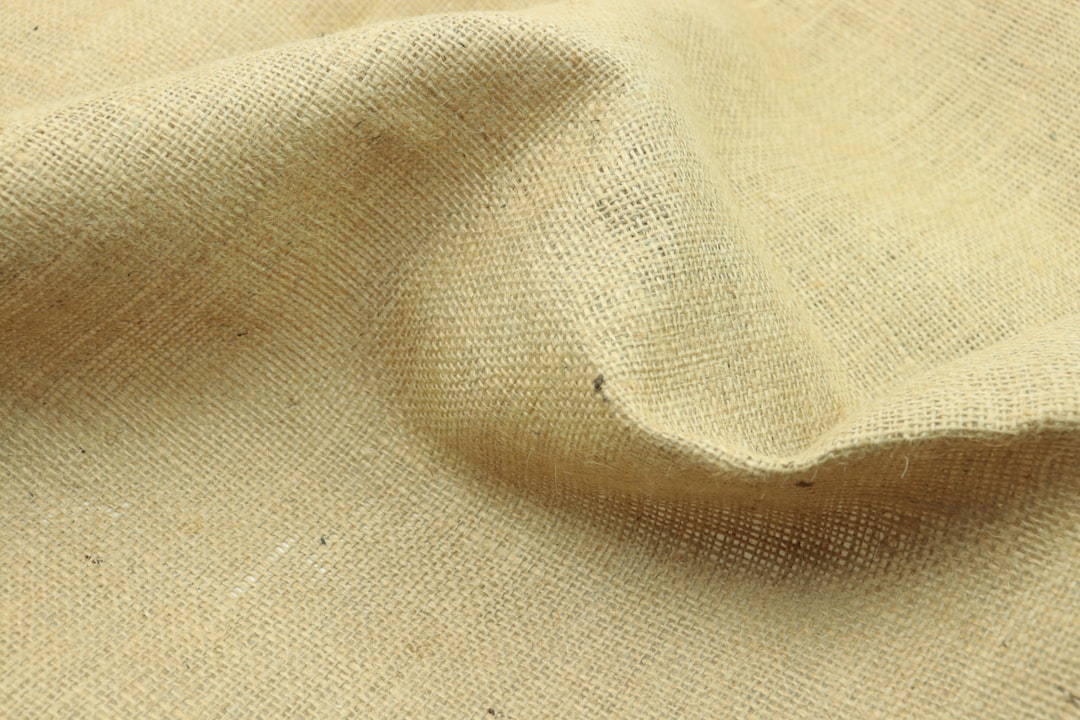 Photo by Divazus Fabric Store on Unsplash
The Four Durability Metrics That Actually Matter
Before we pit these fibers against each other, let’s define what “lasting longer” really means. A fabric can be strong but lose its shape. It can resist tearing but pill like crazy. Here are the four metrics we’re using to judge each fiber:
1. Tensile Strength: How much force the fiber can withstand before breaking. This matters for high-stress areas like shoulders, seat seams, and bag straps.
2. Abrasion Resistance: How well the fabric handles friction—think inner thighs, underarm seams, and where your bag strap hits your shoulder.
3. Shape Retention: Whether the garment holds its original cut after repeated wear and washing, or if it stretches, sags, or shrinks.
4. Care Resilience: How much abuse the fabric can take in the laundry (hot water, machine drying, aggressive detergents) before showing signs of wear.
These four factors determine whether a $60 t-shirt is a bargain or a mistake.
Organic Cotton: The Comfort Champion That Needs Gentle Handling
Organic cotton is the default for a reason. It’s soft, breathable, and familiar. But “soft” and “durable” are often at odds.
Where It Excels
Organic cotton has decent tensile strength—it’s not going to rip easily during normal wear. The fiber structure is relatively long when grown organically (compared to conventional cotton, which is often treated with chemicals that weaken the staple), which helps it resist fraying. As the research data notes, organic cotton “softens with age and washes well. With proper care, it can last for years without losing structure.”
That last part is doing heavy lifting: with proper care.
Where It Falters
Organic cotton’s biggest weakness is abrasion resistance. The fibers are short and fluffy, which means they’re prone to pilling in high-friction areas. That soft, brushed feel you love on day one? It comes from loose fibers that can break off with friction.
Shape retention is also a mixed bag. A well-made organic cotton jersey (like a heavy-weight t-shirt from Pact or Kotn) can hold its shape for years. But a lightweight organic cotton jersey (the kind used for drapey tees) will almost certainly lose its collar integrity and develop a baggy hem within a season. The Everlane vs. Pact vs. Kotn comparison on this site dives into which brands use the heavier-weight knits that survive longer.
Best Uses
- Heavy-weight t-shirts (200+ GSM)
- Sweatshirts and hoodies
- Underlayers where softness matters more than structure
- Loungewear that won’t see heavy friction
Care Rules
Wash cold, delicate cycle. Never dry on high heat—medium or low only. Organic cotton shrinks and loses shape fastest in the dryer. If you’re serious about longevity, air-dry your cotton tees. For more on keeping stretchy basics intact, see The Care Playbook for Stretchy Synthetics—the principles for preserving shape apply to cotton knits too.
Linen: The Elegant Survivor That Gets Better (and Softer) With Abuse
Linen has a reputation for being delicate. That’s a myth. Linen is one of the strongest natural fibers on the planet—roughly 2-3 times stronger than cotton on a per-fiber basis. The confusion comes from the fact that linen is stiff when new and wrinkles easily, which people mistake for fragility.
Where It Excels
Tensile strength is linen’s superpower. Flax fibers are long, smooth, and naturally rigid. They don’t stretch under tension the way cotton does. This makes linen ideal for garments that take structural stress, like button-down shirts, wide-leg trousers, and structured dresses.
Linen also has excellent abrasion resistance—better than cotton, though not as good as hemp. The fibers are dense and smooth, which means they don’t pill easily. That smoothness also means dirt and oils have a harder time embedding, so linen stays fresher longer between washes.
Care resilience is where linen really surprises. The research confirms linen “takes a lot less water to grow than cotton” and “is naturally pest-resistant,” but from a durability standpoint, linen can handle hot water and aggressive washing better than cotton. It actually softens with washing, unlike cotton which degrades. The How to Wash Linen Without Ruining the Shape, Texture, or Drape: A Care Playbook covers how to accelerate that softening without causing damage.
Where It Falters
Shape retention is linen’s Achilles’ heel. Linen doesn’t stretch much, but it does crease permanently. That relaxed, lived-in look is part of its appeal, but if you want a crisp, tailored silhouette that holds all day, linen will disappoint. It also has low elasticity—once it’s stretched out of shape (like at the elbows of a shirt), it doesn’t bounce back.
Linen is also prone to fiber fracture if you fold and crease it in the same spot repeatedly. This is why linen trousers often develop white stress marks at the knee after a few wears.
Best Uses
- Button-down shirts and blouses
- Wide-leg trousers and culottes
- Structured dresses and jumpsuits
- Home textiles (sheets, napkins, tablecloths)
Care Rules
Machine wash warm or hot. Tumble dry low or medium—the heat actually helps soften the fibers. Iron while damp if you want crispness, or embrace the wrinkles. Linen is one of the few natural fibers that benefits from the dryer, so don’t be afraid of it.
Hemp: The Underdog That Outlasts Everything
Hemp is the quiet overachiever of natural fibers. It’s been used for rope, sailcloth, and industrial textiles for centuries because it’s absurdly strong. The Reddit thread on ethical fashion sums it up: “Hemp is one of nature’s most durable fibers. This means garments last longer, keep their shape longer, and retain their strength even when wet.”
Where It Excels
Tensile strength is off the charts. Hemp fibers are the longest and most crystalline of the three. A hemp t-shirt will outlast a cotton t-shirt by a factor of 3-5x in terms of raw tear resistance. That wet-strength property is key—hemp doesn’t weaken when saturated, unlike cotton, which becomes weaker and more prone to tearing when wet.
Abrasion resistance is also superior. Hemp fibers are naturally resistant to mold, bacteria, and UV degradation. This makes it ideal for high-friction items like jackets, bags, and pants.
Shape retention is excellent. Hemp has a natural stiffness that resists sagging. A hemp t-shirt will keep its collar shape long after a cotton tee has gone floppy. It also resists pilling because the fibers are long and tightly spun.
Where It Falters
Comfort out of the gate. Hemp is stiff. It feels rough against the skin for the first 5-10 wears. It softens dramatically with washing—some people say it becomes softer than linen—but the break-in period is real. If you’re sensitive to texture, you might find new hemp garments scratchy.
Drape. Hemp doesn’t drape like cotton or linen. It has a natural “stiffness” that makes it better for structured pieces than flowing ones. A hemp dress will stand away from the body; it won’t skim it.
Color fading. Hemp takes dye less readily than cotton. Darker colors will fade faster and more unevenly. If you’re buying black hemp basics, expect them to look “vintage” sooner than their cotton counterparts.
Best Uses
- T-shirts and tank tops (once broken in)
- Jackets, chore coats, and structured outerwear
- Tote bags, backpacks, and accessories
- Pants and shorts that need to hold shape
Care Rules
Machine wash warm. Tumble dry low or air-dry. Hemp is forgiving in the wash—it doesn’t shrink as dramatically as cotton. The stiffness will soften with each wash. For more on how hemp compares to other fibers in specific garment categories, the What Is Tencel Lyocell, Really article offers a broader fabric context.
The Comparison Table
| Metric | Organic Cotton | Linen | Hemp |
|---|---|---|---|
| Tensile Strength | Moderate | High (2-3x cotton) | Very High (3-5x cotton) |
| Abrasion Resistance | Low (pills easily) | Moderate (low pilling) | High (resists pilling) |
| Shape Retention | Moderate (stretches over time) | Low (creases permanently) | High (holds structure) |
| Care Resilience | Low (shrinks, degrades in heat) | High (softens with heat) | High (forgiving, minimal shrinkage) |
| Break-in Period | None (soft from day one) | Moderate (stiff, softens with washing) | Long (rough initially, becomes very soft) |
| Best For | Tees, sweats, loungewear | Shirts, trousers, dresses | Jackets, bags, hard-wearing basics |
| Longevity Expectancy | 1-3 years (with care) | 3-5 years | 5-10+ years |
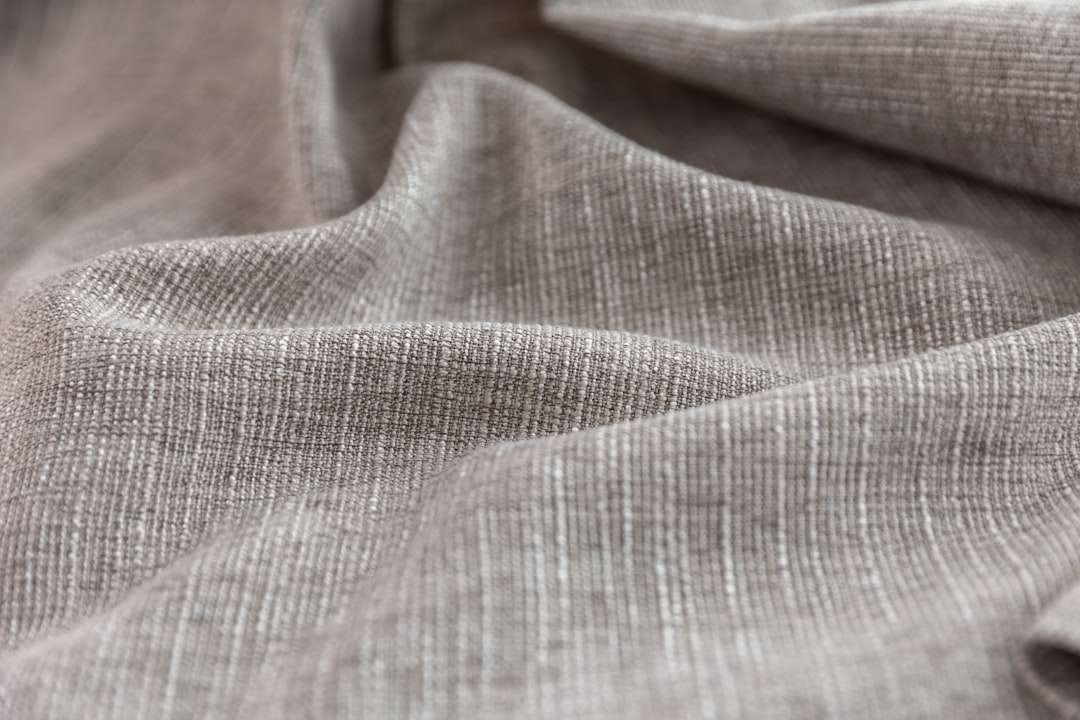 Photo by EZcurtain Life on Unsplash
The Better Pick for Each Kind of Shopper
There is no universal winner—only the right fiber for the right job. Here’s how to decide.
Choose organic cotton if: You prioritize immediate comfort and are buying low-friction garments. A heavy-weight organic cotton t-shirt from a brand like Kotn (which uses long-staple Egyptian cotton) will serve you well for years if you wash it cold and air-dry it. Avoid lightweight cotton jerseys for high-wear items. Organic cotton is also your best bet for loungewear and sleepwear where softness trumps structure.
Choose linen if: You want structured pieces that look intentional even when relaxed. Linen button-downs, wide-leg trousers, and dresses are investments that reward patience. The fabric gets softer and more beautiful over time. If you’re shopping for a summer dress, the 5-Step Checklist for Buying a Sustainable Summer Dress will help you identify linen pieces with the right cut and weight for longevity.
Choose hemp if: You want the absolute longest-lasting basics and you’re willing to endure a break-in period. Hemp is the fiber for your “workhorse” wardrobe: the t-shirt you wear weekly, the jacket you grab daily, the tote you load with groceries. It’s also the most sustainable choice in terms of resource use—hemp requires almost no water, no pesticides, and regenerates soil. If you’re replacing a frequently worn item, hemp will deliver the lowest cost-per-wear by a wide margin.
A Practical Strategy for Mixing Fibers
You don’t have to choose one fiber for your entire wardrobe. In fact, a smart sustainable wardrobe uses each fiber where it performs best:
- Hemp for high-wear basics: t-shirts, tank tops, and underwear that you wear and wash weekly.
- Linen for statement pieces: shirts, trousers, and dresses that need structure and will be worn less frequently.
- Organic cotton for comfort layers: sweatshirts, hoodies, and loungewear where softness is the priority.
This approach follows the logic of the 70/30 Wardrobe Rule: 70% of your wardrobe should be durable, versatile basics (hemp and linen), and 30% can be softer, more delicate pieces (organic cotton).
Your Next Step: Audit Your “High-Friction” Items
Before you buy another natural fiber basic, do a quick audit. Look at the five most-worn items in your wardrobe right now. Are they pilling at the seams? Stretched at the collar? Faded in high-friction areas? Those are the items you should replace with hemp or linen, depending on the garment type.
For everything else—the pieces you wear once a week or less—organic cotton is perfectly fine. The key is matching fiber strength to wear frequency.
And when you do buy, remember: the most sustainable garment is the one you still wear in five years. Hemp will get you there for high-use items. Linen will get you there for structured pieces. Organic cotton will get you there if you choose heavy-weight knits and treat them gently.
Choose wisely, care well, and your basics will outlast the trends.