You know the drawer. It’s the one you avoid on laundry day because the socks inside have quietly given up: heels worn to translucent mesh, cuffs that slide down into your boots by noon, a few singletons whose partners vanished somewhere between the washing machine and 2019. You bought them in a multipack, probably on impulse, probably because they were cheap. And now you’re staring at a small, unglamorous pile of textile waste that you paid for the privilege of owning.
Socks are the most-replaced item in most wardrobes and the least-examined purchase. We research our coats, our sweaters, even our raincoats — we know the difference between a waterproof membrane and a coating — but socks get bought in bulk, washed on hot, and tossed without ceremony. That’s backwards. A good pair of socks is one of the hardest-working pieces you own, and the right ones can outlast a fast-fashion multipack three or four times over.
This is a checklist, not a lecture. Work through it before you buy, while you wash, and when a hole appears. Most of the time, the fix is smaller than you think.
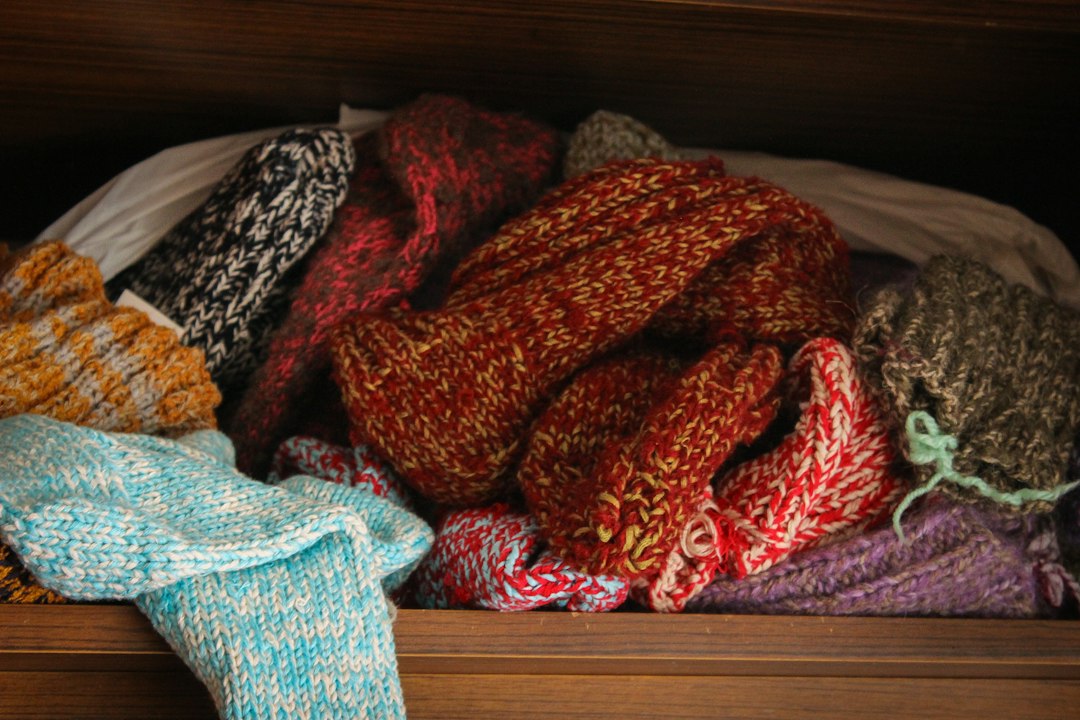 Photo by olha yarova on Unsplash
Before You Buy: The Questions That Separate a Keeper From a Regret
What fiber is actually in the sock, and at what percentage?
Turn the sock inside out and read the label like you’d read a food label. Order matters: the first fiber listed is the dominant one. For everyday socks, look for merino wool, alpaca, or a high-quality cotton in the 60–80% range, blended with nylon for durability and a small amount of elastane (2–5%) for stretch recovery.
The trouble starts when “bamboo” or “wool” appears on the front of the tag but the fiber content is mostly polyester. Bamboo viscose, in particular, is often marketed as a miracle fiber when it’s really a semi-synthetic with a complicated environmental story — worth understanding before you pay a premium for it. If you want the real breakdown of how bamboo lyocell compares to cotton and viscose, this explainer covers the fiber honestly. The short version: lyocell (closed-loop, solvent-recovered) is the better-processed option, but a sock that’s 80% bamboo viscose and 15% polyester is still going to pill and thin faster than a wool-nylon blend.
Is the knit dense, or can you see daylight through it?
Hold the sock up to a window. If light pours through in visible grid patterns, the knit is loose and the sock will wear through at the heel within months. Dense, tightly-knit fabric — often described as “cushioned” or “terry-loop” on the sole — distributes friction better and holds its shape.
Squeeze the cuff. It should snap back immediately, not stay stretched. A cuff that’s already relaxed on the shelf will be sliding down your ankle after two washes.
Where is the heel, and does it fit your actual foot?
Cheap socks are often knit as a tube with a vague bend where the heel should be. A proper sock has a defined heel pocket that cups your heel bone. If you have narrow feet or a high arch, this matters more than you’d expect — a sock that bunches at the arch will rub, and rubbing is what creates holes.
What’s the repair story?
This is the question almost nobody asks, and it’s the one that determines whether a sock lasts two years or ten. Can you darn it? Wool and cotton blends with a bit of nylon darn beautifully — you can reinforce a thinning heel before it becomes a hole. Socks with high elastane content or synthetic-only blends are harder to mend because the fibers don’t grip the repair yarn the same way.
If a brand sells replacement singles or offers a repair service, that’s a signal they expect the sock to be mended, not replaced. It’s worth paying attention to.
Is the brand telling you how to wash it, or just how soft it is?
Marketing copy that leads with “cloud-soft” and never mentions care instructions is a yellow flag. The best sock brands tell you the fiber content, the knit weight, and how to wash it — because they know a well-cared-for sock is a repeat customer.
The Shortlist: Socks Worth the Money (and Why)
You don’t need fifteen pairs. You need four or five that work hard and last. Here are the categories worth investing in, with a few specific recommendations where they genuinely earn their place.
Everyday merino crew socks
Merino regulates temperature, resists odor naturally, and — critically — darns well. Look for a merino-nylon blend around 70/28 with a touch of elastane. Darn Tough makes a dense, tightly-knit merino crew with an unconditional lifetime guarantee; if you wear through them, they replace them. That guarantee is the clearest possible signal that the sock is built to last. Smartwool is the other reliable name here, though their lighter weights wear faster than their medium-cushion options.
Cushioned boot socks for cold months
For winter boots, you want a thicker terry-loop sole and a taller cuff that won’t slip. Farm to Feet makes US-made merino boot socks with a dense knit that holds up through repeated wear. Pair these with your secondhand wool coat care routine season — the same principles of rotation and airing apply to keeping socks fresh between washes.
Breathable cotton-blend socks for warm weather
Cotton is comfortable but wears faster than wool when wet, so look for a cotton-nylon blend with a reinforced heel and toe. Pact makes organic cotton crew socks that are affordable enough to build a small rotation without a multipack. They’re not lifetime-guarantee durable, but they’re honest, mended-able, and a clear step up from a drugstore pack.
The one pair for dressier days
A fine-gauge wool or cotton-blend dress sock in a neutral shade will outlast any synthetic “no-show” sock by years. Buy two pairs, not ten. Bombas makes a decent merino-blend dress sock, though their honeycomb cushioning is more about comfort than longevity — the fiber content is what matters here.
What to skip
Skip anything that’s mostly polyester with a “bamboo” or “eco” label on the front. Skip multipacks where you can’t see the fiber content. Skip socks with no defined heel. And skip the urge to buy twelve identical pairs at once — you’ll wear three of them and the rest will sit until the elastic gives out.
The Wash Routine That Keeps Socks Alive
Most sock death is laundry death. Here’s how to stop it.
Turn them inside out
This exposes the part that touches your skin — the part that holds sweat, oil, and dead skin cells — to the wash water, and it protects the outer surface from pilling against other garments.
Wash cool, on a gentle cycle
Hot water degrades elastane and causes wool to felt. Cool or cold water, gentle cycle, and a mesh laundry bag if you’re washing them with heavier items. If you’re hand-washing, a five-minute soak in cool water with a gentle detergent is plenty.
Skip the dryer
This is the single biggest change you can make. Heat is what kills elastic. Air-dry socks flat or draped over a rack. They’ll dry overnight, and the cuffs will stay snug for years instead of months. If you must use a dryer, use the lowest heat setting and pull them out slightly damp.
Don’t over-wash
Merino socks can go two or three wears between washes if you air them out overnight. Over-washing is just as damaging as under-washing — it breaks down fibers through mechanical agitation. Rotate between three or four pairs and wash when they smell or feel soiled, not on a fixed schedule.
Use the right detergent
Skip fabric softener entirely — it coats fibers and reduces breathability. A gentle, enzyme-free detergent is best for wool. For cotton blends, a standard gentle detergent is fine.
When a Hole Appears: The Repair Sequence
Here’s the part most people skip. A hole in a sock is not a death sentence — it’s a ten-minute repair.
Step 1: Catch it early
A thinning heel or a small hole at the toe is the easiest repair. Once the hole is larger than a thumbnail, you’re looking at a more involved darn. Check your socks when you fold laundry — run your thumb over the heel and toe. If you can see light through the fabric, reinforce it now.
Step 2: Darn it (or pay someone to)
Darning is a simple woven patch over the thin area, using a blunt needle and matching yarn. There are dozens of tutorials online, and it’s genuinely a beginner-friendly skill. If you don’t want to learn, many dry cleaners and tailors offer darning for a few dollars — far less than a new pair of quality socks. The same repair-first logic you’d apply to a secondhand leather bag applies here: fix the small thing before it becomes a big thing.
Step 3: If the cuff has gone, retire the sock
A sock with a dead cuff can sometimes be worn as a bed sock or a house sock, but once the elastic is gone, it won’t stay up. At that point, cut it into cleaning rags or check whether the brand has a take-back or recycling program. Darn Tough and Smartwool both have recycling partnerships in some regions.
Step 4: Replace with intention
When you do replace, replace one pair at a time, not a multipack. Buy the same sock you already know works. This keeps your drawer functional and prevents the accumulation of socks you don’t actually wear.
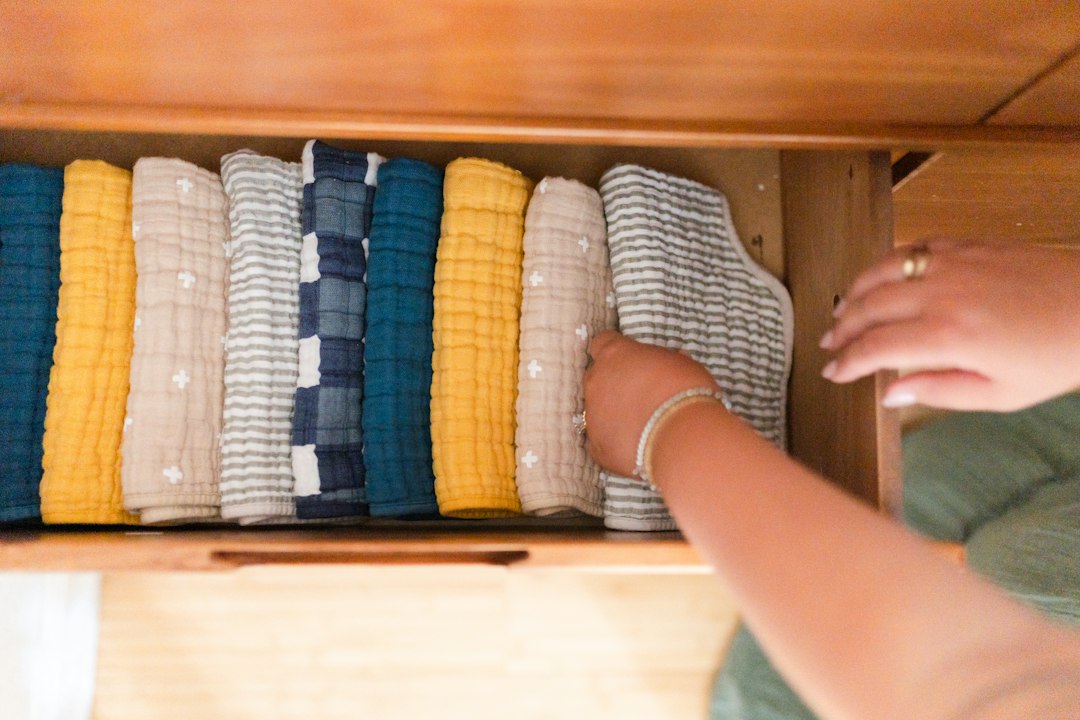 Photo by Carrie Allen www.carrieallen.com on Unsplash
The Shortlist Criteria That Matter
If you remember nothing else from this checklist, remember these five criteria. They’re the difference between a drawer of regrets and a drawer of socks that quietly do their job for years.
| Criterion | What to look for | Why it matters |
|---|---|---|
| Fiber content | 60–80% merino, alpaca, or cotton; 15–30% nylon; 2–5% elastane | Determines warmth, breathability, durability, and whether it can be darned |
| Knit density | Dense, no visible light through the fabric; cushioned sole | Loose knits wear through at the heel within months |
| Heel construction | Defined heel pocket that cups the heel | Prevents bunching, rubbing, and premature holes |
| Repair potential | Natural-fiber blend that accepts a darn; brand offers repairs or replacement singles | A mended sock lasts years longer than a replaced one |
| Care instructions | Brand tells you how to wash it; sock survives cool wash and air-dry | Heat and over-washing kill more socks than wear does |
Work through this list before your next purchase, and your sock drawer stops being a source of quiet guilt. It becomes what it should have been all along: a small, well-chosen set of things that work, that you know how to fix, and that you don’t have to think about again for a long time. Start with one pair — the best pair you can afford — and see how it holds up. Then build from there.