You’re scrolling a sweater listing that reads like a luxury car ad: “ethically sourced yak down, warmer than merino, softer than cashmere.” It’s $180. You’ve been burned before by a “cashmere blend” that pilled in three wears and a merino base layer that felt like sandpaper against your neck. So you do what any reasonable person does: you open four more tabs, and now you’re comparing yak to cashmere to merino with no idea which claims are real and which are marketing dressed up as fiber science.
Here’s the honest starting point: yak wool is genuinely excellent, but not for the reasons most brands imply. It’s not a cashmere dupe, it’s not automatically “more sustainable” because yaks live in mountains, and it isn’t one single material. Depending on how it’s processed, yak fiber can be a durable workhorse or a delicate luxury — and the label rarely tells you which one you’re getting.
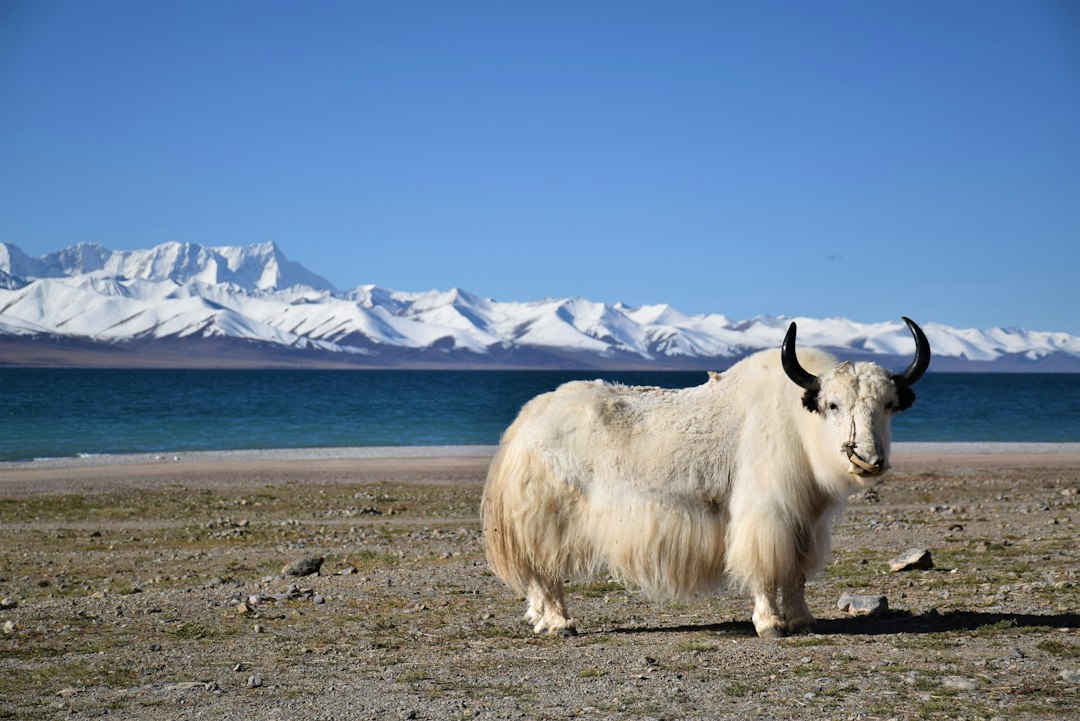 Photo by Sergio Capuzzimati on Unsplash
What Yak Wool Actually Is (and Why the Word “Wool” Is Doing a Lot of Work)
Yaks are bovines, not sheep, so the fiber they produce is technically hair. Each animal grows two layers: a coarse, long outer coat that sheds rain and wind, and a fine, soft undercoat — the down — that insulates against temperatures well below freezing on the Tibetan Plateau and Himalayan highlands. When a brand says “yak wool,” it almost always means that undercoat down, which is combed or shed naturally in spring and collected by herders.
The confusion starts here, because “yak wool” gets used for three very different products:
- Pure yak down, spun from the fine undercoat only. This is the soft, lightweight, insulating fiber that competes with cashmere on feel.
- Yak blends, usually yak mixed with merino, lambswool, or nylon. Common in base layers and socks, where the blend adds durability and stretch.
- Coarse yak hair, the outer coat, which shows up in rugs, ropes, and tents — not sweaters. If a cheap “yak” item feels scratchy and stiff, this is often why.
The fine down fibers typically measure around 17–20 microns in diameter, putting them in the same range as cashmere (roughly 14–19 microns) and finer than most standard merino (which runs about 18–24 microns depending on grade). Finer fibers bend more easily against skin, which is why they feel soft rather than prickly. Yak down is also notably hollow-cored, which traps air and explains its warmth-to-weight ratio.
That hollow structure is the real technical story. It’s why yak down insulates well without bulk, and why it regulates temperature instead of just baking you. It’s also why yak has a slightly different hand-feel than cashmere: a bit drier, a bit more “grippy,” with a subtle luster that reads more matte than glossy.
The dehairing problem nobody mentions
Raw yak down arrives mixed with coarse guard hair, and separating the two — dehairing — is the most important and least transparent step in the supply chain. Good dehairing leaves a soft, clean fiber. Cheap or rushed dehairing leaves prickly guard hairs behind, which is why two yak sweaters at similar prices can feel completely different. There’s no standard label disclosure for dehairing quality, so this is largely a trust-the-brand situation.
How Yak Performs Against Cashmere and Merino in Real Winter Wear
This is where the marketing gets tested. Each fiber has a distinct personality, and “better” depends entirely on what you’re asking the garment to do.
Warmth and weight
Yak down is warmer per gram than merino, largely because of that hollow core. For a mid-layer sweater, this means you can get comparable warmth with less bulk. Cashmere is also extremely warm for its weight, but it’s more fragile in high-abrasion situations. Merino is the most versatile — it’s warm, but its real superpower is moisture management and odor resistance, which matters more for base layers than for sweaters.
Softness and skin feel
Cashmere wins on pure tactile luxury, especially the finest grades. Yak down is very close, with a slightly drier, less “cloud-like” hand. Merino varies wildly by micron count — fine merino (under 19 microns) is genuinely soft, while coarser grades are built for durability, not next-to-skin comfort.
Durability and pilling
Here’s the counterintuitive part: yak down is generally more durable than cashmere. Cashmere’s long, fine fibers are prone to pilling and abrasion because they’re delicate. Yak fibers are slightly shorter on average but denser and more resilient, so a well-made yak sweater often holds up better over multiple winters. Merino is the toughest of the three in everyday wear, which is why it dominates socks and base layers.
Moisture, odor, and breathability
Merino is the clear winner for active wear — it wicks moisture, resists odor, and stays comfortable when you sweat. Yak handles moisture reasonably well and stays warm when slightly damp, but it’s not a performance base layer in the same way. Cashmere is the least moisture-friendly; it’s a dry-cold fiber, best for low-sweat situations.
The comparison table
| Fiber | Warmth-to-weight | Skin feel | Durability | Moisture management | Best use |
|---|---|---|---|---|---|
| Yak down | High | Soft, slightly dry | Good, better than cashmere | Moderate | Mid-layer sweaters, scarves, blends |
| Cashmere | High | Very soft, luxurious | Lower, pills easily | Low | Lightweight luxury sweaters, accessories |
| Merino (fine) | Moderate–high | Soft to very soft | High | Excellent | Base layers, socks, activewear |
If you’re deciding between a yak sweater and a cashmere one for the same purpose, the yak will likely outlast the cashmere but feel marginally less plush. If you’re choosing between yak and merino for a base layer, merino usually wins on function. For a mid-layer that sits over a tee and under a coat, yak is a genuinely strong choice — and it slots neatly into a fall layering system built from secondhand pieces, where a warm, low-bulk knit does the heavy lifting.
 Photo by Edo on Unsplash
The Sustainability Question, Answered Without the Halo
The romantic version of the yak story goes like this: nomadic herders in the Himalayas comb shedding down from free-roaming yaks, nothing is harmed, the fiber is a byproduct, and everyone wins. Parts of that are true. Parts are more complicated.
What’s genuinely good
Yaks are not bred and slaughtered for their fiber the way some wool and leather supply chains operate. The down is collected during the natural spring molt, so the animal keeps living and producing year after year. Yak herds graze on high-altitude grasslands that can’t support most agriculture, meaning the fiber comes from land that isn’t competing with food crops. Many yak supply chains are tied to traditional herding communities, and a well-run one can provide meaningful income in regions with few alternatives.
What deserves scrutiny
- “Eco-friendly” as a blanket claim. Grazing pressure, overgrazing, and land degradation are real concerns in some high-altitude regions, and “sustainable yak” isn’t a protected term.
- Blend masking. A sweater labeled “yak” might be 15% yak and 85% acrylic. Check the fiber percentages, not the front-of-label hero ingredient.
- Processing footprint. Dehairing, spinning, and dyeing all carry environmental costs, and conventional dyeing can undo a lot of the fiber’s natural advantages. Look for undyed or low-impact dye claims where possible.
- Traceability gaps. Unlike some wool programs, yak lacks a widely recognized third-party certification specifically for the fiber, so traceability often depends on the brand’s own sourcing relationships.
Certifications worth looking for
There’s no yak-specific equivalent of the Responsible Wool Standard, but adjacent certifications still tell you something:
- GOTS (Global Organic Textile Standard) — relevant if the garment is dyed and processed to organic standards.
- OEKO-TEX Standard 100 — confirms the finished textile has been tested for harmful substances.
- Fair Trade Certified — signals labor and community standards in the supply chain.
- Bluesign — focuses on chemical and process safety in textile production.
None of these certify the yak fiber itself, but they indicate a brand is willing to submit its supply chain to outside review. That’s a meaningful signal, especially for a fiber with so little formal oversight.
If you’re comparing this to other “natural but complicated” fibers, our explainer on bamboo lyocell versus cotton and viscose walks through a similar set of trade-offs — natural origin doesn’t automatically mean low impact.
What Yak Wool Is Actually Good For (and Where It Falls Short)
Yak down shines in specific garments and struggles in others. Knowing the difference saves you money.
Where it performs well
- Mid-layer sweaters. Low bulk, high warmth, and a texture that looks intentional rather than fuzzy. Excellent under a coat without adding shoulder bulk.
- Scarves and accessories. Yak down scarves are warm without the itch of coarser wool, and they drape nicely.
- Socks and base layer blends. Yak blended with merino or nylon makes a warm, durable sock — the blend offsets yak’s slightly lower abrasion resistance. If you’re auditing your sock drawer, our sustainable socks buying and care checklist covers how to judge blends like these.
- Cold, dry climates. Yak is at its best when it’s cold and you’re not sweating heavily.
Where it falls short
- High-sweat activities. Merino beats yak for anything where you’ll be moving hard and sweating.
- Heavy abrasion. Yak sweaters worn under rough backpacks or against coarse coats will show wear faster than merino.
- Wet, mild weather. Yak isn’t waterproof, and it’s overkill for damp 50°F days where a lighter layer would do.
- Budget buys. Cheap yak is often poorly dehaired or heavily blended, and it won’t deliver the softness or warmth you’re paying for.
Care realities
Yak down is a hand-wash-or-gentle-cycle fiber. Treat it like cashmere: cool water, wool-safe detergent, no wringing, dry flat. Store it folded, not hung, and protect it from moths — protein fibers are a moth buffet. If you already own cashmere, the care routine is nearly identical, and our cashmere care checklist for washing, de-pilling, and storing applies almost word for word to yak.
Questions to Ask Before You Buy
Before you add a yak piece to your cart, run it through these questions. They’ll separate a genuinely good sweater from a well-photographed blend.
1. What percentage is actually yak? If it’s under 50% and the rest is acrylic or polyester, you’re paying a premium for a minor ingredient. Look for high yak content, or yak blended with merino or nylon for durability — not with synthetics purely to cut cost.
2. Is it down or coarse hair? A soft, fine hand-feel suggests properly dehaired down. If it feels scratchy in the listing photos’ description or reviews, it may contain guard hair.
3. Does the brand explain its sourcing? Vague “ethically sourced” language means little. Look for named regions, herding cooperatives, or at least a stated dehairing and processing partner.
4. What certifications does the finished garment carry? OEKO-TEX, GOTS, Fair Trade, or Bluesign won’t certify the yak itself, but they show the brand invites scrutiny.
5. Is the price realistic? Genuine yak down is not cheap to produce. A $40 “100% yak” sweater is almost certainly mislabeled, heavily blended, or coarse hair. Expect to pay in the range of good merino or entry-level cashmere — roughly $100–$250 for a quality sweater.
6. How does it fit your existing layers? Yak is best as a mid-layer. Check that it layers comfortably under your coats without bunching at the shoulders, and that the color works with what you already own rather than requiring new pieces to justify it.
7. Can you care for it? If you won’t hand-wash or use a gentle cycle and dry flat, a yak sweater may not be the right purchase. If you want low-maintenance warmth, a fine merino blend is the smarter pick.
8. Is it secondhand-viable? Yak sweaters hold up well enough to be worth hunting secondhand. Check for pilling, moth holes, and stretched cuffs the same way you would with any wool knit — the repair-first approach in our secondhand wool coat care playbook translates directly to sweaters.
The short version: yak down is a real, functional fiber with genuine advantages over cashmere in durability and over merino in warmth-to-weight for mid-layers. It is not a miracle material, it is not automatically sustainable, and the label alone won’t tell you whether you’re getting the good stuff. Buy it for what it does well — warm, low-bulk, soft-enough mid-layers for cold, dry days — and read the fiber percentages before you trust the story on the front of the tag.