You spot a sweater on a resale site or a small brand’s page. The description says “recycled cashmere,” and the price is either surprisingly low or surprisingly high—rarely in the middle. You’ve held cashmere before. You know the weight of it, the slight halo, the way a good one makes a winter coat feel unnecessary. But “recycled” adds a question mark. Is this the same fiber you love, or a compromise dressed up in eco-friendly language? And why does the price swing so wildly from one recycled cashmere sweater to the next?
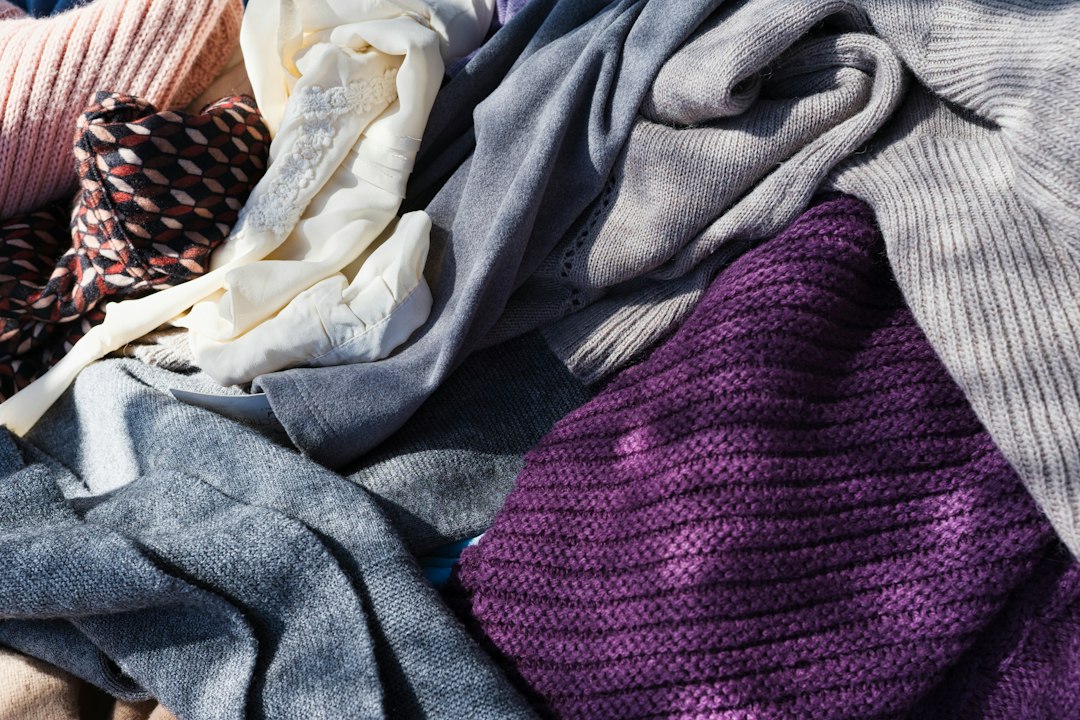 Photo by Eric Prouzet on Unsplash
Recycled cashmere sits at an awkward intersection of luxury and thrift. It promises the hand-feel of a fiber that normally costs several hundred dollars, sometimes at a fraction of that price, while claiming a lighter environmental footprint. Some of it delivers. Some of it pills within a month or arrives with a scratchy, short-staple texture that never softens. The difference comes down to how the fiber was recovered, how it was re-spun, and whether the brand is telling you the whole story. This explainer walks through what recycled cashmere actually is, where it holds up in real wear, where it fails, and which claims on a label deserve a second look before you spend.
What Recycled Cashmere Actually Is (and Isn’t)
Cashmere comes from the undercoat of cashmere goats, and the fibers are famously long, fine, and crimped—qualities that give the yarn its warmth-to-weight ratio and its softness. Virgin cashmere is also expensive because each goat produces very little usable fiber per year, and the sorting and dehairing process is labor-intensive.
Recycled cashmere is made from post-industrial or post-consumer cashmere waste: factory offcuts, unsold garments, worn sweaters collected through take-back programs, and mill remnants. That waste is sorted by color, shredded back into fiber, and re-spun into new yarn. Mechanically, it’s a straightforward process. Chemically, it’s gentler than making virgin fiber from scratch, which is a large part of the environmental argument.
Here’s the catch that determines everything about quality: shredding breaks fibers. A virgin cashmere fiber might be 30 to 40 millimeters long. After mechanical recycling, the recovered fibers are shorter and more variable in length. Shorter fibers are harder to spin into a strong, smooth yarn, and they’re more prone to working their way out of the fabric—which is what we experience as pilling and shedding. The best recycled cashmere producers blend recovered fiber with a portion of virgin cashmere or a small amount of fine wool or silk to add length and strength back into the yarn. The worst simply spin short recovered fiber into a loose, weak yarn and rely on the “cashmere” word to sell it.
So recycled cashmere is real cashmere—same animal fiber, same fundamental properties—but it is not identical to virgin cashmere in durability. A well-made recycled cashmere sweater can last for years. A poorly made one can look tired by February. The fiber is only half the story; the spinning and blending are the other half.
Pre-consumer vs. post-consumer recycled cashmere
There’s a meaningful difference between the two sources. Pre-consumer waste—factory offcuts and mill remnants—tends to be cleaner, more consistent in color, and less worn, because it never went through a wash cycle or a full season of wear. Post-consumer waste—garments collected from individuals—is more variable: fibers may be weakened by washing, felting, or age, and colors are harder to sort. Many brands use a mix. Neither is inherently bad, but post-consumer fiber usually needs more blending support to produce a durable yarn, and a brand that’s transparent about its source is more likely to have thought through the spinning.
How It Performs in Real Winter Wear
The honest answer is: very well in some categories, less well in others. It helps to think about where cashmere earns its keep in a winter wardrobe and where recycled fiber changes the equation.
Sweaters and cardigans
For a mid-weight pullover or a relaxed cardigan worn over a shirt, recycled cashmere is a strong choice. The fabric has the same insulating loft and soft hand as virgin cashmere, and because these garments are worn with layers underneath and aren’t subjected to heavy friction at the elbows and cuffs the way, say, a tightly fitted base layer might be, the shorter fiber length matters less. A good recycled cashmere sweater feels indistinguishable from virgin cashmere in the hand and wears warmly. Expect it to pill a little more in the first season than a virgin counterpart, then stabilize after a few washes.
Lightweight knits and base layers
This is where recycled cashmere gets riskier. Very fine-gauge knits—thin turtlenecks, tissue-weight cardigans—rely on long, strong fibers to hold their shape and resist holes at high-stress points. Short-staple recycled yarn in a thin gauge can develop small holes at the underarm and cuff faster than virgin cashmere. If you want a fine-gauge knit, look for a recycled blend with a stated percentage of virgin fiber or a wool-silk component, or choose a slightly heavier gauge where the yarn has more structure.
Accessories and home knits
Scarves, hats, and throws are forgiving territory for recycled cashmere because they see less abrasion and stretching than a fitted garment. A recycled cashmere scarf is often an excellent value—you get the softness and warmth against the neck without the fit and durability demands of a sweater. The same goes for a throw blanket that lives on a sofa.
The pilling question
Pilling is the most common complaint about recycled cashmere, and it’s worth understanding rather than fearing. Pills form when short fibers migrate to the surface and tangle. Because recycled fiber is shorter, more of it migrates. A good quality recycled cashmere will still pill less than a cheap acrylic blend, and much of the initial pilling is the “loose” short fiber shedding out of the yarn. After two or three gentle washes, a well-spun recycled cashmere sweater often settles into a stable surface. If your sweater is still pilling heavily after a full season, that’s a sign of a weak yarn, not a fact of life about recycled cashmere.
The Price Question: Why the Range Is So Wide
Recycled cashmere prices run from under $100 to well over $400, and the spread isn’t arbitrary. It tracks four things: the ratio of recovered to virgin fiber, the quality of the recovered fiber, the spinning and knitting standards, and the brand’s margin and story.
A sweater made from 100% post-consumer recycled cashmere with minimal blending will generally cost less to produce than one that blends in 30% virgin cashmere for strength—but it may also wear worse. A brand using pre-consumer offcuts from a high-end Italian mill, sorted by color and spun on fine machinery, is working with more expensive inputs and will price accordingly. And a brand charging $450 for a recycled cashmere sweater is partly charging for the traceability, the take-back program, and the design.
The useful question isn’t “is recycled cashmere worth more than virgin?” It’s “is this specific sweater worth its specific price?” A $180 recycled cashmere crewneck from a brand that discloses its fiber source and blend ratio can be a better buy than a $320 one with vague sourcing and a loose knit. Conversely, a cheap recycled cashmere sweater under $80 is usually cheap for a reason—likely a high proportion of short post-consumer fiber with little blending support, which will pill and thin quickly.
If you’re comparing a recycled cashmere sweater against a virgin one at a similar price, the recycled option is often the better environmental choice and a comparable wear experience, provided the brand is transparent. If the recycled option is dramatically cheaper, treat that as a signal to inspect the knit quality rather than a pure win.
A quick comparison
| Factor | Virgin cashmere | Well-made recycled cashmere | Weak recycled cashmere |
|---|---|---|---|
| Fiber length | Long, consistent | Shorter, often blended with virgin or wool | Short, variable, poorly blended |
| Initial softness | High | High | Variable, sometimes scratchy |
| Pilling | Low to moderate | Moderate, settles after a few washes | Heavy and persistent |
| Durability in fine gauges | Strong | Good with blending | Prone to holes |
| Price range | $200–$600+ | $150–$450 | Under $100 |
| Environmental case | High impact from goat farming | Lower impact, diverts waste | Lower impact but short lifespan |
Reading the Label Without Getting Fooled
Recycled cashmere labeling is uneven, and some claims are more meaningful than others. Here’s how to sort them.
”Recycled cashmere” with no percentage
A fiber content label that says “recycled cashmere” without a percentage is telling you almost nothing. You want to know how much of the garment is recycled versus virgin, and whether there are other fibers in the blend. A sweater labeled “70% recycled cashmere, 30% virgin cashmere” is more informative than one labeled “recycled cashmere blend.” If the brand can’t or won’t tell you the ratio, that’s a reason to look elsewhere.
Certification claims
A few certifications carry real weight. The Global Recycled Standard (GRS) verifies recycled content and tracks it through the supply chain, and it’s the most common credible claim in this category. The Recycled Claim Standard (RCS) is a lighter version that verifies recycled content but with less stringent chain-of-custody requirements. Look for a certification logo or a certificate number you can verify, not just the word “recycled” in the marketing copy. If a brand claims recycled content but has no certification and no sourcing detail, treat the claim as unverified.
”Sustainable” and “eco” language
These words have no legal definition in most markets. A recycled cashmere sweater can be a genuinely lower-impact choice, but “sustainable cashmere” as a phrase tells you nothing specific. The same skepticism applies here as anywhere else—if you’re vetting an unfamiliar brand, the same checklist applies whether the fiber is recycled cashmere or anything else. Our guide to vetting a sustainable fashion brand you’ve never heard of walks through the questions that separate substance from slogans.
Blends that dilute the claim
A “recycled cashmere” sweater that’s 40% recycled cashmere and 60% nylon is mostly nylon. That’s not necessarily a bad garment—nylon adds strength and can reduce pilling—but it changes the value proposition and the care requirements. Read the full fiber content, not just the headline fiber. A small percentage of recycled cashmere in a synthetic-heavy blend is a marketing decision more than a material one.
Caring for Recycled Cashmere So It Lasts
Recycled cashmere rewards gentle care more than virgin cashmere does, because the shorter fibers are more vulnerable to agitation and heat. The basics: wash rarely, by hand or on a wool cycle in cold water with a pH-neutral wool wash, and never wring. Lay flat to dry on a towel, reshaping while damp. Store folded, not hung, and protect against moths—the same storage discipline that keeps any knitwear alive applies here. Our off-season knitwear storage playbook covers the moth-proofing and shape-saving details in full.
A few recycled-cashmere-specific notes: use a fine-toothed comb or a fabric shaver to remove pills rather than pulling them off, and give the sweater a rest day between wears so the fibers can recover. If a small hole appears at a high-stress point, mend it early—short-staple yarn can unravel faster than virgin cashmere once a break starts. Our mending playbook for pills, snags, and sagging hemlines has step-by-step fixes that apply directly to recycled cashmere.
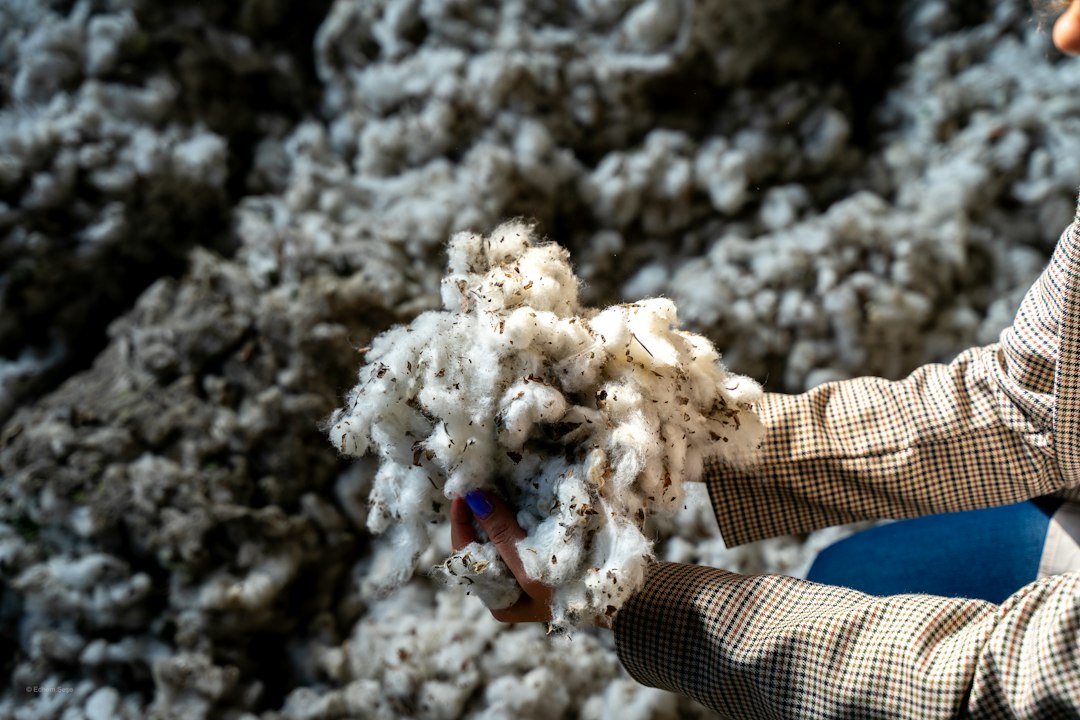 Photo by Edhem ŞEŞE on Unsplash
Where to Look for Good Recycled Cashmere
A handful of brands have built real expertise in recycled cashmere, and they’re worth knowing as reference points even if you shop secondhand or wait for sales.
Naadam built its early reputation on traceable cashmere and now offers recycled cashmere pieces alongside its virgin line, with fiber sourcing disclosed. Everlane has offered recycled cashmere sweaters in its core knit line, generally at a mid-range price with published fiber content. Patagonia uses recycled cashmere in some of its knitwear through its Worn Wear and recycled-fiber programs, with the supply-chain transparency the brand is known for. Smaller labels like Cuyana and Eileen Fisher (whose take-back program feeds recycled fiber into new pieces) are also worth watching. None of these are affiliate recommendations so much as benchmarks—if a brand you’re considering can match their level of disclosure, that’s a good sign.
For the budget-conscious, secondhand is the quiet winner here. A gently used virgin cashmere sweater from a resale site often costs less than a new recycled one and has already done its initial pilling. If you’re building out winter knits, our secondhand knitwear shopping checklist covers how to inspect fiber, feel, and fit before you pay.
Questions to Ask Before You Buy
Before you add a recycled cashmere piece to your cart, run through these questions. They take two minutes and will save you from the sweater that looks great in photos and disappoints by January.
- What’s the exact fiber content? Look for a percentage breakdown—recycled cashmere, virgin cashmere, wool, silk, nylon—not just the headline fiber.
- Is the recycled content certified? A GRS or RCS certificate number you can verify is stronger than an uncertified claim.
- Is the source pre-consumer or post-consumer? Pre-consumer offcuts generally spin into more durable yarn; post-consumer fiber needs more blending support.
- What’s the gauge and knit structure? A denser, heavier knit tolerates short-staple recycled fiber better than a tissue-thin one. Squeeze the fabric if you can—it should feel substantial, not loose and limp.
- Does the brand disclose its spinning partner or mill? Full traceability is a strong signal of quality control.
- What’s the return policy? Recycled cashmere varies enough that you want the option to send it back if the hand-feel or pilling isn’t right.
- Is the price consistent with the disclosure? A high price with vague sourcing is a red flag; a low price with a high recycled percentage and no blending detail is a durability risk.
The short version: recycled cashmere is worth paying more for when the brand tells you what’s in it, how it was spun, and why it costs what it costs. When those answers are missing, you’re paying for a word, not a fiber. Buy the sweater that answers the questions—and then care for it like the long-term piece it can be.