You spot a slip on a resale app: a bias-cut silk dress in a deep olive, listed for $68. The photos are decent. The seller says “worn once, small mark near hem, priced accordingly.” You’ve been burned before — a “vintage silk” blouse that arrived with underarm discoloration no amount of gentle washing could shift — so you hesitate. Meanwhile, the new-silk version of that same dress, from a brand with traceable supply chains, sits in your cart at $340. Both are silk. Both would work for the October wedding you’re attending. One costs a fifth as much and carries unknown risk. The other costs a mortgage payment on a dress you’ll wear four times a year.
This is the actual decision most of us face before a special occasion, and it’s rarely framed honestly. The sustainable-fashion conversation tends to split into two camps: buy vintage, it’s the only ethical choice, or buy new from a responsible brand, it’s the only reliable one. Neither is universally right. The smarter buy depends on what the occasion demands, how much time you have, what your body needs from a garment, and how much uncertainty you’re willing to absorb. Below, I’ll lay out the criteria that actually matter, compare secondhand and new silk against each one, and tell you which shopper each option serves best.
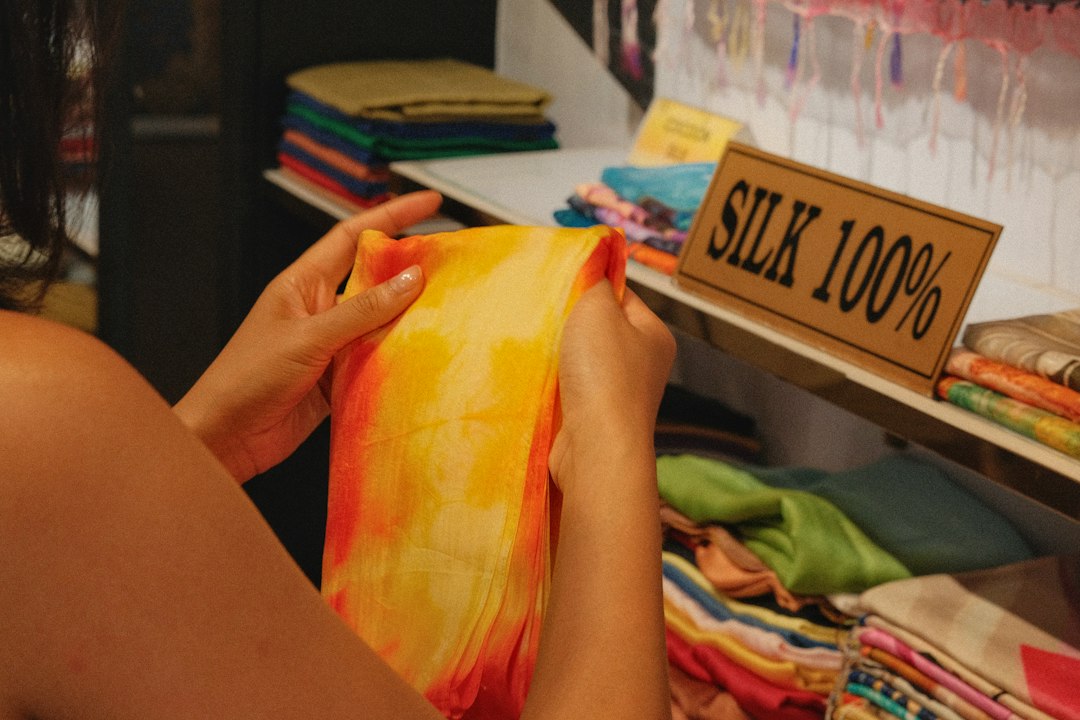 Photo by Quang Tran on Unsplash
The Criteria That Actually Decide This
Before comparing anything, define what “smarter” means for a special-occasion purchase. A dress you wear to a wedding, a milestone dinner, or a holiday party has different demands than a work blouse. I evaluate silk on five axes, in roughly this order of importance:
1. Occasion stakes and timeline. A black-tie wedding in three weeks is a different problem from a dinner party next month. Secondhand requires search time, shipping time, and possibly alteration time. New silk requires only the alteration time — but you may pay for speed.
2. Fiber quality and honesty. “Silk” on a label covers a wide range. Mulberry silk with a high momme weight (the measure of silk density — 19 momme and up is substantial; 12–16 momme is lightweight and prone to pulls) behaves very differently from sandwashed silk or silk-blend charmeuse. Secondhand listings often omit momme weight entirely; new brands usually state it. This matters more for special occasions, where a garment needs to drape well under photographs and hold up through a long evening.
3. Condition risk. Secondhand silk carries specific, predictable failure modes: underarm discoloration from antiperspirant, hem marks, sun-fading along fold lines, weakened seams from dry cleaning, and invisible thinning at stress points. New silk carries different risks — chiefly that a lower-grade fabric will pill or snag within a season — but the condition is knowable at purchase.
4. Cost per wear and resale value. A $340 new silk dress worn eight times is $42.50 per wear. A $68 secondhand dress worn four times is $17 per wear — but only if it survives those four wears and doesn’t need a $40 dry clean before each one. Silk is dry-clean-heavy, and that cost belongs in the math. Resale matters too: quality silk holds value, and a well-chosen secondhand piece can be resold for close to what you paid.
5. Ethical and environmental footprint. New silk, even from responsible brands, requires fresh fiber production — silkworm rearing, reeling, dyeing, and shipping. Secondhand silk displaces new production entirely. But “secondhand” isn’t automatically ethical if the piece was made under labor conditions you’d object to; you’re just not the one commissioning it. For most shoppers, the displacement benefit outweighs this, but it’s worth naming.
One more criterion that doesn’t fit neatly into a table: emotional durability. Special-occasion pieces are worn for memory-making. A dress with a story — a 1990s slip you found after weeks of searching, a piece with a maker’s label from a shuttered atelier — often gets worn more often than a new purchase, precisely because it feels like yours. That’s not a soft metric. It’s the reason cost-per-wear math sometimes undercounts secondhand.
Secondhand Silk vs. New Silk, Head to Head
Sourcing and timeline
Secondhand silk lives on resale platforms, vintage shops, estate sales, and consignment sites. The inventory is unpredictable by nature: you cannot decide you want a specific color and cut and expect to find it this week. For a special occasion with a fixed date, this is the central constraint. If you have eight weeks, secondhand is entirely workable. If you have two, you’re gambling on shipping and fit.
New silk from a traceable brand is predictable: you order a size, it arrives in days, and returns are straightforward. The tradeoff is that you’re paying for that predictability, and you’re commissioning new production.
A practical middle path: start the secondhand search first, set a hard deadline (say, three weeks before the event), and if nothing right appears, buy new. This sequencing costs nothing and often works.
Fiber quality and what the label tells you
New silk from a reputable brand usually discloses momme weight, weave (charmeuse, crepe de chine, habotai, organza), and fiber origin. That transparency lets you predict how the garment will behave: a 22-momme charmeuse drapes heavily and photographs beautifully; a 12-momme habotai is delicate and better suited to scarves than a fitted dress.
Secondhand silk rarely comes with this information. You’re reading a tag, if the seller photographs it, and inferring the rest from drape in photos. Experienced secondhand shoppers learn to read fabric from images — how light falls across it, whether seams lie flat, whether the hem has weight — but it’s a skill built over time. For a high-stakes occasion, buying secondhand silk from a seller who accepts returns is worth prioritizing over saving $15.
If you’re newer to assessing secondhand silk condition, our guide to caring for secondhand silk and satin pieces walks through the specific flaws to inspect for, and the companion piece on secondhand silk scarves covers how to judge print quality and fiber integrity from photos.
Condition risk, by category
Secondhand silk’s failure modes are specific and largely inspectable:
- Underarm discoloration — common on sleeveless and short-sleeve pieces; often invisible in listing photos. Ask for a photo of the interior underarm.
- Hem and seam marks — from dragging or from hangers; usually cosmetic but sometimes structural.
- Sun-fading — shows as tonal shifts along fold lines or shoulders; hard to reverse.
- Fabric thinning at stress points — elbows, bust darts, seat; feel for it if shopping in person, ask about it if not.
- Alteration history — a hem let down and re-sewn can leave a visible line; check seam photos.
New silk’s risks are different: a lower-grade fabric may snag or pill within a season, and a poorly finished seam can pull. But these are brand-level risks you can research before buying, and returns policies cover the rest.
Cost, including the costs nobody lists
The sticker price is the least interesting number. Silk is dry-clean-heavy, and special-occasion silk often needs pressing before each wear. Budget $15–$30 per clean depending on your market. A secondhand dress that needs cleaning before and after each of four wears adds $120–$240 to its effective cost — which can erase the savings over a new piece that’s dry-clean-only but worn the same number of times. Neither option escapes cleaning costs; the point is to count them.
Resale value is the counterweight. Quality silk — new or secondhand — holds value well. A $340 new silk dress from a known brand might resell for $120–$180 after a season. A $68 secondhand find might resell for $50–$60. The secondhand piece loses less in absolute terms, which improves its effective cost per wear further.
Ethics and footprint
Secondhand silk displaces new production entirely — no new silkworm rearing, no new dyeing, no new shipping for that garment. That’s a real environmental benefit, and it’s the strongest argument for secondhand on principle.
New silk from a responsible brand can be produced with traceable supply chains, lower-impact dyeing, and fair labor — but it still requires fresh fiber. The honest framing: secondhand wins on footprint, new-from-a-good-brand wins on labor transparency, and the two aren’t directly comparable because they’re solving different problems. If labor conditions are your primary concern, buy new from a brand that publishes its supplier list. If footprint is primary, buy secondhand. Most of us weight both, which is why the decision often comes down to timeline and risk tolerance rather than ethics alone.
Fit and alteration realities
Secondhand silk is often cut for a different era’s proportions — a 1990s bias slip may run small through the bust and long through the torso; an 1980s blouse may have shoulder pads you’ll want removed. Alterations are usually possible but add cost and time, and silk is unforgiving of poor alteration. New silk comes in current sizing with a known fit model, and many brands offer free alterations or generous return windows.
For occasion wear, fit is not a detail. A dress that doesn’t sit right at the shoulder will photograph wrong all night. If you’re between sizes or have a fit-sensitive body, new silk’s predictability is worth real money.
Where Each Option Genuinely Wins
Secondhand silk is the better buy when:
- You have six or more weeks before the event and can search patiently.
- You’re shopping a classic silhouette — a bias slip, a button-down blouse, a simple column dress — where vintage inventory is abundant and era differences matter less.
- You can inspect in person or buy from a seller with returns. Estate sales and vintage shops let you feel the fabric and check underarms; online, prioritize return-friendly sellers.
- You want a piece with character and are open to minor imperfections as part of its history.
- You’re comfortable with a small alteration budget and have a tailor you trust.
A specific note on sourcing: consignment sites with authentication and condition grading (The RealReal, Vestiaire Collective) cost more than peer-to-peer apps but reduce risk substantially for occasion wear. For vintage-specific inventory, shops like Those Vintage Vibes and online vintage collectives often photograph flaws honestly and accept returns.
New silk is the better buy when:
- The event is within four weeks and you can’t absorb shipping or alteration delays.
- You need a specific color, cut, or size — a wedding-party dress in a set palette, for instance.
- Fit is high-stakes — you’re between sizes, tall, petite, or busty, and need a known fit model.
- You want labor transparency and are willing to pay for a brand that publishes its supply chain.
- You plan to wear the piece many times and want the assurance of a return window and a warranty.
Brands worth considering for occasion silk with traceable supply chains: Eileen Fisher (petite through plus, extensive silk separates, resale program), Amour Vert (mulberry silk dresses, published supplier list), and Reformation (silk occasion dresses with fiber-origin disclosure). All three publish enough information to evaluate fiber quality before you buy, which is the whole point. You can browse current silk occasion pieces at [AFFILIATE_LINK_EILEEN_FISHER], [AFFILIATE_LINK_AMOUR_VERT], and [AFFILIATE_LINK_REFORMATION].
For styling context on how secondhand and ethical silk pieces slot into occasion dressing, our fall wedding guest outfit formula shows how a single silk piece anchors multiple looks, and the Diwali wardrobe formula covers how to build a festive capsule around one or two statement silks.
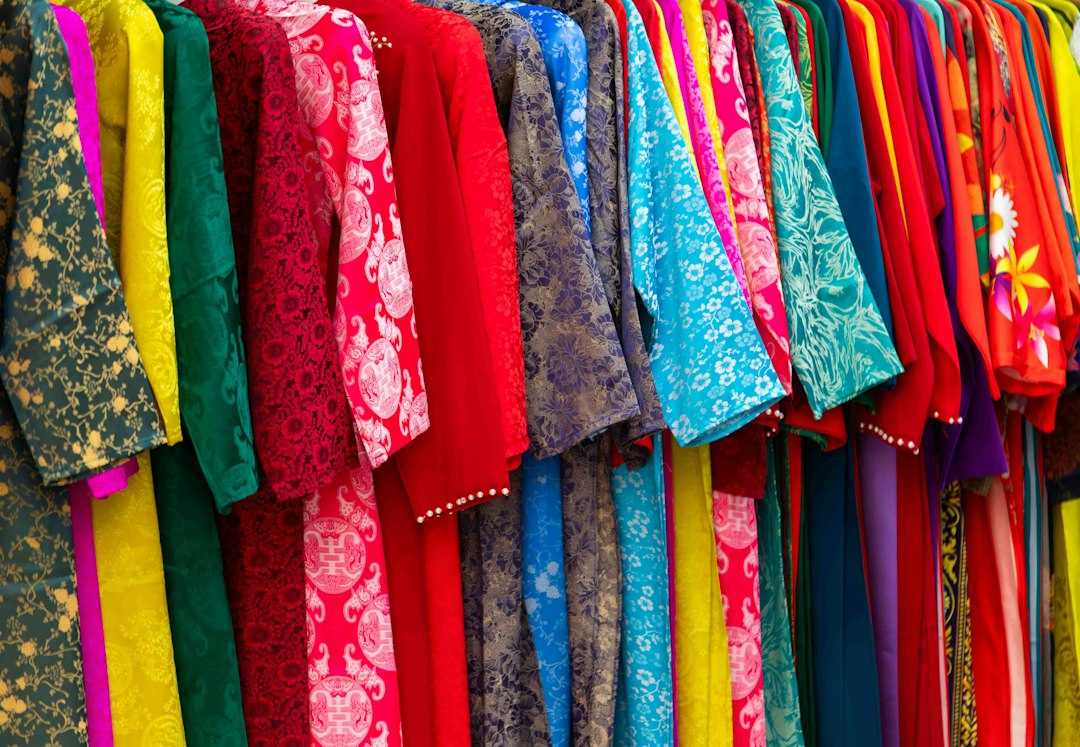 Photo by Bernd 📷 Dittrich on Unsplash
The Comparison Table
| Criterion | Secondhand Silk | New Silk (Traceable Brand) |
|---|---|---|
| Timeline | 6+ weeks ideal; search-dependent | Days; predictable shipping |
| Fiber transparency | Rarely disclosed; infer from tag/photos | Momme weight, weave, origin usually stated |
| Condition risk | Underarm marks, fading, thinning, alterations | Low; returns cover defects |
| Fit predictability | Era-specific cuts; alteration likely | Current sizing; known fit model |
| Sticker price | $30–$120 typical for occasion pieces | $200–$450 typical |
| Cleaning cost | $15–$30 per clean; same as new | $15–$30 per clean |
| Resale value | Retains ~70–85% of purchase price | Retains ~35–55% of purchase price |
| Environmental footprint | Near zero new production | Lower-impact but new fiber |
| Labor transparency | Unknown; inherited from original maker | Published by responsible brands |
| Best for | Patient shoppers, classic silhouettes, character-seekers | Deadline shoppers, fit-sensitive bodies, transparency-seekers |
Read the table as a set of tradeoffs, not a scorecard. The secondhand column wins on price, footprint, and resale; the new column wins on timeline, transparency, and fit certainty. Which column matters more depends entirely on the event and the shopper.
The Better Pick for Each Kind of Shopper
The planner with eight weeks and a classic brief. Secondhand, without hesitation. Start with consignment sites that grade condition, set a three-week search deadline, and budget $30–$50 for alterations. A bias slip or column dress in a neutral color is the easiest secondhand silk to find and the easiest to alter.
The deadline shopper with three weeks and a specific dress in mind. New silk from a traceable brand. Pay for predictability and returns. The cost premium is buying you time and certainty, both of which are worth real money before a fixed-date event.
The fit-sensitive shopper. New silk, unless you can try secondhand pieces on in person. Silk is unforgiving of poor fit and expensive to alter well. A vintage shop you can visit beats an app you can’t.
The footprint-first shopper willing to be flexible. Secondhand, and consider building a small rotation of occasion silks rather than buying per-event. Two well-chosen secondhand silk pieces can cover a year of weddings and dinners, and the resale value means you can rotate them out without losing much.
The labor-transparency-first shopper. New silk from a brand that publishes its supplier list, accepting the higher footprint as the cost of that transparency. Eileen Fisher, Amour Vert, and Reformation all publish enough to evaluate; treat the supplier page as a prerequisite, not a bonus.
The first-time secondhand silk buyer. Start with a lower-stakes piece — a scarf or a blouse — before committing to an occasion dress. The secondhand silk care playbook is the right primer; learn to read condition from photos on a $40 purchase before you risk $120 on a dress with a deadline.
Whichever route you take, do one thing before you buy: photograph the label and note the momme weight if it’s stated, or ask the seller if it isn’t. Silk quality is the variable that determines whether the piece survives its fourth wear, and it’s the one thing both secondhand and new shoppers can check before money changes hands. Then put the date in your calendar, work backward from it, and let the timeline — not the ideology — make the call.