You’ve spent an hour scrolling through your closet, pulling out a linen dress, then a pair of wide-leg trousers, then a silk cami, then shoving them all back in. The suitcase sits open on your bed, and you’re already exhausted. You’re not packing for a photo shoot. You’re packing for a real trip—one that involves trains, dinners, museums, and maybe a hike you didn’t plan for. The tension is familiar: you want to look put-together, but you also want to carry one bag that doesn’t require a chiropractor appointment when you get home.
The sustainable fashion community has been circling a solution for years, and it’s called the 5-4-3-2-1 method. But here’s the thing: that formula—five tops, four bottoms, three layers, two shoes, one accessory—is a fantastic starting point, but it’s still too vague. What do you actually do with those pieces? How do you pick them so that you don’t end up with five tops that all look the same, or two pairs of shoes that only work with one outfit each?
I’ve tested this formula across a dozen trips—from a humid week in Lisbon to a rainy autumn weekend in Portland—and what I’ve learned is that the magic isn’t in the numbers. It’s in the repeatability. The goal isn’t to bring fewer pieces; it’s to bring pieces that multiply. Here’s how to build a sustainable capsule wardrobe for travel using a refined 5-piece packing formula that works for any trip, any climate, and any agenda.
 Photo by Annie Spratt on Unsplash
Why the 5-4-3-2-1 Formula Works (and Where It Usually Falls Apart)
The 5-4-3-2-1 method is popular for a reason: it imposes just enough constraint to force you to think critically about each item. Five tops, four bottoms, three layers, two shoes, one accessory—that’s fifteen pieces, which for a seven-day trip is actually generous. You can create over thirty outfit combinations from fifteen well-chosen pieces.
But the method fails when you treat it as a shopping list rather than a decision system. I’ve seen travelers pack five tops that are all the same weight and silhouette (three short-sleeve tees, two tank tops), four bottoms that are all jeans, and three layers that are all cardigans. That’s not a capsule. That’s a uniform with no flexibility.
The fix is to think in terms of outfit slots, not piece counts. Every item you bring should be able to play at least three roles. A silk shell top can be a base layer under a blazer, a standalone piece with high-waisted trousers, or a nightgown in a pinch. A pair of wide-leg linen pants can be a travel pant, a beach cover-up, or a dinner bottom when paired with a heeled sandal.
Here’s the refined formula I use now, which I call the 5-Piece Packing Formula. It’s not a rigid count—it’s a framework for making decisions:
| Slot | What It Means | Example Pieces |
|---|---|---|
| 1 Statement Piece | One item that feels intentional and memorable | A silk midi dress, a tailored blazer, a patterned jumpsuit |
| 2 Base Tops | Neutral, easy-to-layer tops that work with everything | A merino wool crewneck, a linen button-up |
| 2 Base Bottoms | High-wear bottoms that can be dressed up or down | Dark-wash straight-leg jeans, black linen trousers |
| 1 Versatile Layer | A midweight piece that adds texture or warmth | A cashmere cardigan, a denim jacket, a cotton trench |
| 1 Pair of Shoes (Primary) | Your most-worn shoe—comfortable and neutral | White leather sneakers, black leather loafers, waterproof ankle boots |
| 1 Pair of Shoes (Secondary) | A shoe that changes the energy of your outfits | Espadrille wedges, flat leather sandals, pointed flats |
| 1 Bag | A single bag that works for day and evening | A crossbody bag in a neutral leather or canvas |
That’s seven core items. Add one pair of socks, one pair of underwear per day, and one swimsuit if relevant, and you’re under ten items of clothing. You can pack this in a carry-on backpack.
The key difference from the standard 5-4-3-2-1? I’ve collapsed the “tops” and “bottoms” categories into a tighter, more intentional set. You don’t need five tops when you can rewear two or three. You need tops that work—ones that don’t wrinkle, that dry quickly, that transition from day to night with a change of jewelry.
How to Choose Pieces That Actually Multiply
The sustainable fashion world has a term for this: cost-per-wear, but applied to packing. Every item you bring should have a projected cost-per-wear of zero by the end of your trip—meaning you wear it at least as many times as you packed it. A top you pack and never wear is a waste of space and a waste of the resources that went into making it.
To achieve that, you need to apply three filters to every piece you consider:
Filter 1: The Three-Outfit Test
Before you put anything in your bag, mentally style it with three different bottoms or layers from your planned capsule. If you can’t picture three distinct outfits that feel intentional (not just “I guess I could wear it with those pants”), leave it at home.
For example, a white linen button-up shirt passes the three-outfit test easily:
- Worn open over a tank top with high-waisted jeans and sneakers
- Tucked into a midi skirt with leather sandals
- Tied at the waist over a slip dress for a casual evening look
A printed silk blouse with a busy pattern? It might only work with one pair of trousers. That’s a one-outfit piece. It stays home.
Filter 2: The Wrinkle-and-Dry Test
Natural fibers are wonderful for the planet, but not all of them travel well. Linen wrinkles beautifully in some contexts (a relaxed beach vacation) and terribly in others (a business-casual dinner). Before you pack a piece, ask yourself: If I hand-wash this in a sink tonight, will it be dry by morning?
Merino wool, Tencel, and organic cotton jersey are your best friends here. They resist odors, dry quickly, and bounce back from wrinkles with minimal effort. If you’re packing linen, choose a heavier weight that drapes rather than a crisp shirt that will look like crumpled paper after an hour in a train seat.
For a deeper dive into fiber performance, check out our comparison of Organic Cotton vs. Hemp vs. Linen: Which Natural Fiber Basics Actually Last Longer?. The short version: for travel, prioritize merino and Tencel over pure linen unless you’re going somewhere you can iron.
Filter 3: The Color-Pairing Constraint
You’ve heard the advice to stick to a neutral color palette. It’s good advice, but it’s often applied too rigidly. You don’t need to pack only beige and black. You need a palette where every piece can be paired with every other piece without clashing.
My rule of thumb: choose one neutral base (black, navy, or charcoal), one warm neutral (cream, camel, or olive), and one accent color that appears in exactly two pieces. That accent could be a brick red in a top and a scarf, or a dusty blue in a dress and a pair of socks. The accent creates visual interest without creating decision fatigue.
Here’s a real example from my last trip:
- Base neutral: Black (trousers, tank top, sandals)
- Warm neutral: Cream (linen button-up, cardigan, crossbody bag)
- Accent: Terracotta (silk shell top, woven belt)
Every top worked with every bottom. The accent pieces tied the whole capsule together without forcing me to pack a rainbow.
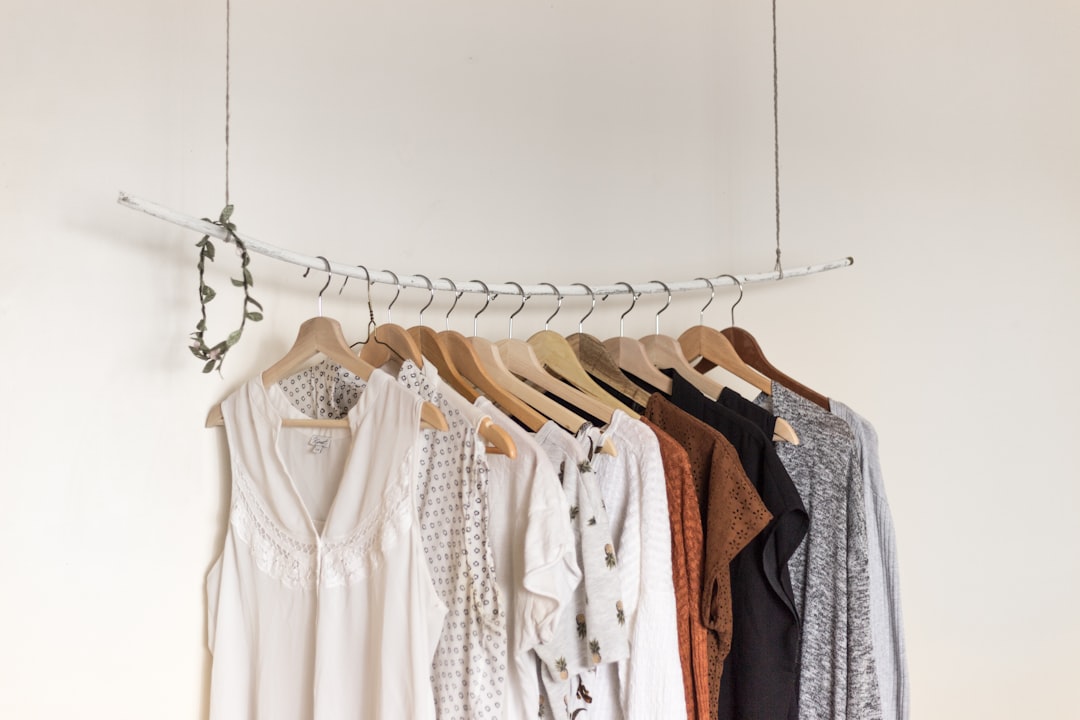 Photo by Priscilla Du Preez 🇨🇦 on Unsplash
The 5-Piece Formula in Action: Three Real-World Capsules
Theory is fine, but you need to see this formula applied to actual trips. Here are three capsules built around the 5-Piece Packing Formula, each designed for a different climate and activity profile.
Capsule 1: The City Explorer (Spring/Fall, Temperate)
The vibe: Museums, coffee shops, nice dinners, public transit. You’re walking four to six miles a day.
- 1 Statement Piece: A midi-length slip dress in a dark olive or rust (silk or Tencel)
- 2 Base Tops: A cream merino crewneck sweater; a black linen button-up
- 2 Base Bottoms: Dark-wash straight-leg jeans; black wide-leg trousers
- 1 Versatile Layer: A cropped denim jacket or a wool blazer
- 1 Primary Shoe: White leather sneakers (look for ethical sandal brands that also make sneakers, or go with Veja)
- 1 Secondary Shoe: Black leather loafers or pointed flats
- 1 Bag: A medium crossbody in cognac leather
Outfit combinations: 18 distinct outfits. The slip dress works alone with sneakers for daytime, with the blazer and loafers for dinner, or layered over the turtleneck for a colder day. The jeans and trousers each pair with both tops and both shoes.
Why it works: Every piece is rewearable without washing. Merino resists odor, linen can be aired out, and the jeans and trousers are durable enough for multiple wears between washes. You’re carrying seven items of clothing, but you have a week’s worth of looks.
Capsule 2: The Warm-Weather Minimalist (Summer, Humid)
The vibe: Beaches, markets, outdoor dining, light hiking. You’re sweating, but you still want to look polished.
- 1 Statement Piece: A printed midi skirt (lightweight cotton or Tencel) or a linen jumpsuit
- 2 Base Tops: A white organic cotton tank top; a striped linen button-up
- 2 Base Bottoms: High-waisted denim shorts; the printed midi skirt or linen trousers
- 1 Versatile Layer: An oversized linen shirt (doubles as a beach cover-up)
- 1 Primary Shoe: Leather sandals (flat or low block heel)
- 1 Secondary Shoe: Espadrille wedges or canvas slip-ons
- 1 Bag: A straw tote or canvas crossbody
Outfit combinations: 12 distinct outfits. The linen shirt can be worn open over the tank top, tied at the waist over the skirt, or buttoned up as a standalone dress with a belt. The tank top tucks into everything.
Why it works: Linen and cotton breathe, but they wrinkle. The key here is to embrace the texture—a wrinkled linen shirt looks intentional, not sloppy. If you’re worried about wrinkles, check our How to Care for Linen Like a Pro guide for packing strategies that keep linen looking fresh.
Capsule 3: The Cold-Weather Layering System (Winter, Wet)
The vibe: Cities, mountains, indoor activities. You need warmth without bulk.
- 1 Statement Piece: A wool midi skirt or a pair of tailored wool trousers
- 2 Base Tops: A merino wool long-sleeve tee; a silk shell top
- 2 Base Bottoms: The wool trousers; dark-wash jeans
- 1 Versatile Layer: A cashmere or merino cardigan (chunky or fine-gauge)
- 1 Primary Shoe: Waterproof ankle boots (look for sustainable raincoat brands that also make boots)
- 1 Secondary Shoe: Leather loafers or ballet flats
- 1 Bag: A leather backpack or crossbody
Outfit combinations: 14 distinct outfits. The merino long-sleeve layers under the silk shell for extra warmth. The cardigan can be worn buttoned as a top or open as a layer. The wool trousers are durable enough for multiple wears and resist wrinkles.
Why it works: Wool is naturally odor-resistant and temperature-regulating. You can wear the merino tee for three or four days before it needs washing. The boots are your workhorse—they handle rain, snow, and long walks. The secondary shoe is for dinner or indoor events where you want to give your feet a break from boots.
How to Source These Pieces Sustainably
You don’t need to buy anything new to build a travel capsule. In fact, the most sustainable piece is the one already in your closet. But if you’re filling gaps, here’s how to do it without contributing to overconsumption.
Start with secondhand. The pieces that work best for travel—merino sweaters, silk tops, leather shoes—are abundant on resale platforms. A secondhand merino sweater costs a fraction of retail and is already broken in. For silk blouses, our 5-Step Checklist for Buying a Secondhand Silk Blouse That Actually Lasts will help you spot quality pieces that won’t fall apart after one trip.
Invest in high-wear items. Your primary shoes and your statement piece are worth buying new if you can’t find them secondhand. Look for brands that prioritize durability and repairability. For example, Veja sneakers (AFFILIATE_LINK_VEJA) are made from organic cotton and wild rubber, and they can be resoled. A silk dress from a brand like Christy Dawn (AFFILIATE_LINK_CHRISTY_DAWN) uses deadstock fabric and can be worn for years.
Borrow or rent for one-off trips. If you’re going to a wedding or a formal event, don’t buy a dress you’ll never wear again. Rent it from a service like Rent the Runway or borrow from a friend. This is the most sustainable option for special-occasion pieces.
Avoid fast fashion “travel” lines. Many brands sell “packable” or “travel-friendly” clothing made from virgin polyester. These pieces pill, hold odors, and shed microplastics in the wash. A secondhand cotton or wool piece will outlast them every time.
Repeatable Outfits, Not One-Off Looks
The hardest thing to unlearn in sustainable fashion is the idea that every outfit needs to be a look. Social media has trained us to think that if we’re photographed in the same jacket twice, we’ve failed. Travel is the perfect place to unlearn this. Nobody on your trip is tracking your outfit rotation. The locals aren’t checking your Instagram. The only person who cares about repetition is you.
A sustainable travel capsule isn’t about having fewer options. It’s about having better repeatable options. When every piece in your bag can be styled three ways, you’re not repeating outfits—you’re remixing them. The black trousers you wore with the linen button-up on Monday become a completely different outfit on Wednesday when you pair them with the silk shell and the loafers.
This approach also reduces decision fatigue. When you’re tired, jet-lagged, and standing in a hotel room at 7 p.m., you don’t want to make a creative styling decision. You want to reach for a combination you know works. The 5-Piece Packing Formula gives you a mental shortcut: grab one top, one bottom, one layer, one shoe, and you’re dressed. It’s a formula, not a restriction.
If you’re ready to test this on your next trip, start with the capsule that matches your destination. Pack it, wear it, and take notes. Which piece did you reach for most? Which piece did you never wear? That feedback will refine your formula for next time. Over a few trips, you’ll develop a personal system that’s more reliable than any generic packing list.
And when you come home, you’ll have a clearer sense of what your wardrobe actually needs—and what it doesn’t. That’s the real win.