The Wednesday-night panic is specific and familiar: you’re standing in front of a closet that feels full and somehow empty, mentally packing for a weekend that involves a four-hour drive, a formal-ish dinner at your aunt’s house, a lazy Friday of leftovers, and a Saturday brunch you forgot about until the group chat reminded you. So you do what most of us do—you order something new, it arrives Thursday, and it’s fine. Not great. Fine. And next November, you’ll do it again.
The problem isn’t that you lack clothes. It’s that Thanksgiving weekend asks for five distinct outfits across three or four days, and most of us plan for exactly one of them. The fix isn’t a bigger closet. It’s a formula: a small set of secondhand and ethical pieces that recombine into every occasion the weekend throws at you, plus a few decision rules for what to wear when.
Here’s how to build that formula before the holiday rush hits the thrift racks.
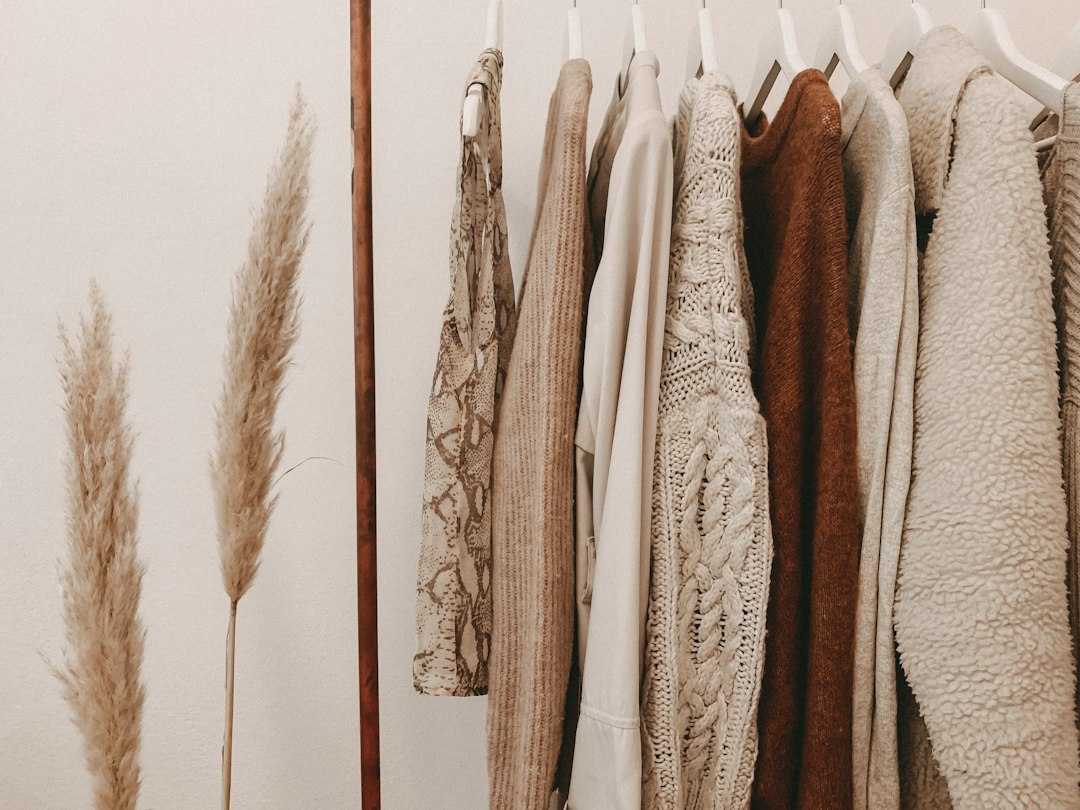 Photo by Alyssa Strohmann on Unsplash
Start With the Weekend’s Real Requirements, Not a Fantasy Version of It
Before you pull a single piece, map the weekend honestly. Most Thanksgiving weekends break down into five outfit slots, and they have wildly different demands:
- Travel day — comfort, layers, and something that survives a car seat, a gas station bathroom, and a temperature swing between a cold morning and a warm afternoon.
- Dinner — the one outfit people photograph. It needs to read as “I made an effort” without requiring shapewear or a dry-clean-only gamble near gravy.
- Leftovers day — elastic-adjacent, forgiving, and cozy enough for a couch and a second plate.
- A walk or outdoor interlude — because someone always suggests a walk, and you’ll want a layer that handles wind and mud.
- Brunch, errands, or the drive home — the flexible slot. This is the one that usually gets forgotten and then improvised badly.
Notice what these have in common: layering, movement, and stain tolerance. A Thanksgiving wardrobe built around one showpiece dress fails four of the five slots. A wardrobe built around a base layer, a mid-layer, and an outer layer that all play together passes all five.
This is the same logic behind our 5-outfit fall layering system, just compressed into a single long weekend. If you’ve already built a transitional-weather rotation, you’re most of the way there.
The Five-Piece Core That Does the Heavy Lifting
You don’t need five outfits’ worth of clothing. You need five pieces that generate five outfits. Here’s the core, and what to look for in each when you’re shopping secondhand or from ethical labels.
1. A fine-knit sweater in a warm neutral
This is your dinner top, your travel layer, and your leftovers-day cozy piece. Look for merino, yak, or a merino-cotton blend—something fine enough to tuck and warm enough to wear alone. Secondhand cashmere is the upgrade play here, but only if you know how to screen for pilling and moth damage; our secondhand cashmere shopping checklist walks through the exact inspection points. If you want a newer ethical option, yak wool runs warmer than merino at a similar weight and resists odor well—worth understanding before you spend, which is what our yak wool explainer covers.
Color rule: pick one neutral you actually wear (cream, oatmeal, charcoal, camel) and one deep tone (burgundy, forest, navy). Two sweaters cover every slot.
2. A base layer that handles a warm house and a cold car
A long-sleeve cotton or bamboo-lyocell tee, or a thin turtleneck, is the piece that makes a sweater wearable indoors without overheating. Bamboo lyocell breathes better than standard viscose and drapes without clinging—our bamboo lyocell vs. cotton vs. viscose explainer breaks down when it’s worth the premium. Thrifted silk or silk-blend turtlenecks are also excellent here and often overlooked.
3. One pair of trousers that can dress up or down
Wide-leg wool trousers, dark straight-leg denim, or a ponte pant. The test: can you wear them to dinner with a heel and to the couch with a sock? If not, they’re a one-slot piece. Dark denim is the most versatile secondhand find, but it lives or dies on care—see our secondhand denim care playbook so your travel-day jeans don’t bag out by Friday.
4. A skirt or a second bottom for variety
A midi skirt in wool, corduroy, or a heavy satin gives you a genuinely different silhouette for dinner without buying a dress. This is the piece that makes the weekend feel styled rather than repetitive.
5. An outer layer that handles the walk
A wool coat, a quilted jacket, or a structured blazer worn as outerwear. If you’re buying secondhand, a wool coat is the highest-value purchase you can make for this weekend—and the one most likely to need repair. Our secondhand wool coat care playbook covers moth holes and lining tears so you can buy confidently.
The Formula, Mapped to Five Outfits
Here’s how the core recombines. Treat this as a template, not a prescription—swap colors and proportions to fit your closet.
| Slot | Base | Mid | Bottom | Outer/Finish |
|---|---|---|---|---|
| Travel day | Tee | Fine-knit sweater | Dark denim | Quilted jacket, scarf |
| Dinner | Silk or thin turtleneck | Fine-knit sweater (tucked) | Midi skirt | Heeled boot, statement earrings |
| Leftovers day | Tee | Oversized sweater | Ponte pant or denim | Socks, no outer layer |
| Walk | Tee | Sweater | Denim | Wool coat, boots |
| Brunch / drive home | Turtleneck | Blazer | Trousers or skirt | Scarf, flat boot |
Five outfits, five core pieces, plus a scarf, a blazer, and two pairs of shoes. That’s a weekend bag, not a wardrobe overhaul.
 Photo by Fujiphilm on Unsplash
Decision Rules for the Pieces You’re Unsure About
The formula only works if the pieces actually cooperate. These rules keep you from buying something that only fits one slot.
The three-slot test. Before any piece earns a place in the weekend bag, it has to work in at least three of the five slots. A sweater that only works for dinner is a dinner sweater, and you probably already own one.
The gravy rule. Anything you’d be devastated to stain doesn’t belong at the table. Silk is fine if it’s thrifted and you’re relaxed about it; a $300 dry-clean-only blouse is not. This single rule eliminates most bad Thanksgiving purchases.
The shoe ceiling. Two pairs of shoes, maximum. One walkable (a boot that handles weather) and one that dresses up. If you’re buying secondhand boots for this, screen the sole and leather properly first—our secondhand winter boot checklist covers exactly what to inspect.
The photograph test. For the dinner outfit only, ask: would I be happy to be tagged in a photo wearing this? If yes, it’s done. Don’t over-optimize the other four slots for photos; nobody’s filming leftovers day.
The rewear check. If you can’t imagine wearing a piece again in December, it’s a one-off. Skip it. This is the entire point of the formula.
Where to Spend and Where to Save
Secondhand and ethical shopping gets expensive fast if you treat every slot equally. You shouldn’t.
Spend on: the outer layer (a wool coat you’ll wear for years), the shoes (boots that survive weather and walking), and one truly good sweater. These are the pieces that carry the most slots and the most wear.
Save on: base layers, the second bottom, and accessories. Thrifted silk scarves, cotton tees, and midi skirts are abundant and cheap secondhand. A vintage silk scarf can transform the dinner and brunch outfits for almost nothing—just know how to care for it so the print survives. Our secondhand silk scarf care playbook covers washing and storing without losing the sheen.
Skip entirely: anything that requires a specific undergarment, a specific shoe, or a specific weather condition to work. Thanksgiving weekend is unpredictable. Your wardrobe should be indifferent to it.
If you’re weighing a newer ethical label against secondhand for the spend-worthy pieces, our Quince vs. Everlane vs. Uniqlo work wardrobe comparison is a useful reality check on where affordable ethical basics actually hold up—the same logic applies to holiday pieces.
Packing the Formula: A Two-Bag Reality Check
One carry-on plus a tote should cover all five outfits. Here’s the slot-by-slot packing list:
- Core: two sweaters, one base-layer tee, one turtleneck, one pair of trousers, one pair of dark denim, one midi skirt
- Outer: one wool coat or quilted jacket, one blazer
- Shoes: one walkable boot, one heeled or dressy boot
- Finish: one silk scarf, one pair of statement earrings, socks
- Emergency: one stain pen, one lint roller, one spare tee
That’s it. If your bag is fuller than this, you’re packing for a fantasy weekend, not the one you’re actually having.
Repeatable Outfits, Not One-Off Looks
The reason this formula works isn’t that it’s clever—it’s that it’s repeatable. The same five pieces will carry you through Friendsgiving, a December dinner party, and next year’s Thanksgiving with minor swaps. You’re not buying a holiday wardrobe. You’re building a small, flexible system that happens to solve the holiday.
So before you shop, do one thing: pull the five core pieces you already own and lay them out. Most women find they’re missing one or two, not five. Fill only those gaps—secondhand first, ethical labels second—and run the three-slot test on anything new. Then pack the bag, and spend the weekend actually present at the table instead of mentally re-planning your outfit in the car.
If you want to go deeper on the pieces that carry the most weight, start with the outer layer and the boots—they’re the two purchases that determine whether the whole weekend works.