You’ve just found the perfect black blazer on a sustainable brand’s site. It’s ethically made, the fabric is gorgeous, and the price tag reflects that. A small, practical voice in your head whispers, “But could I find this secondhand?” You open a resale app, search, and are immediately overwhelmed by 500+ results in varying shades of black, conditions, and price points. Some look pristine, others dubious. The brand’s new version feels like a guaranteed win, but the pre-owned one feels like the “right” sustainable choice. Which do you choose?
This is the modern dilemma of building a conscious wardrobe. The narrative that “secondhand is always better” is well-intentioned but overly simplistic. A truly strategic approach isn’t about rigid rules; it’s about smart allocation. It’s knowing where the secondhand market excels (offering incredible value and extending a garment’s life) and where buying new from a responsible brand is a wiser investment (ensuring specific performance, fit, or ethical guarantees). The goal is to maximize the lifespan of clothing that already exists while strategically supporting the new systems we want to see thrive.
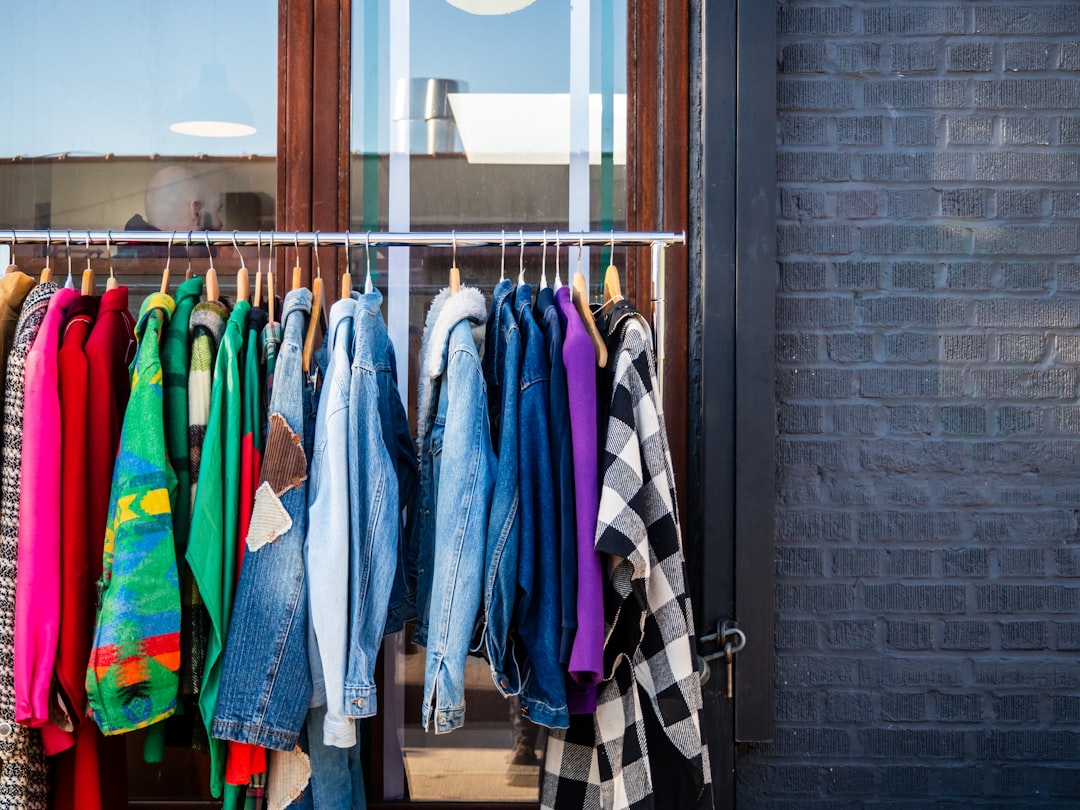 Photo by Jeffrey Betts on Unsplash
Let’s move beyond the guilt and into a clear-eyed strategy. This guide breaks down exactly which categories to source secondhand for maximum success, when buying new makes more sense, and how to navigate the platforms and condition checks that separate a treasure from a regret.
The Secondhand First Mindset: Why Strategy Beats Dogma
Adopting a “secondhand first” mindset is the cornerstone of a sustainable wardrobe, but it requires nuance. The environmental logic is powerful: extending the life of a garment by just nine months can reduce its carbon, water, and waste footprints by 20-30%. When you buy a pre-owned item, you are voting against new resource extraction and keeping a piece out of landfill. It is, as research consistently shows, almost always better from a climate perspective.
However, a critical caveat from recent studies is the “rebound effect.” Some secondhand shoppers, enticed by low prices and constant new arrivals, end up buying more clothing and discarding it faster, ironically creating more textile waste. This turns a solution into part of the problem. Strategy is our defense against this.
“Secondhand first” doesn’t mean “secondhand only.” It’s a filter for your entire shopping process. Before any purchase, you ask: “Is this available, in the condition I need, from the secondhand market?” For many categories, the answer will be a resounding yes. For others, after a deliberate search, it may be no—and that’s where intentional, new purchases from sustainable brands come in. This hybrid model is realistic, effective, and prevents the fatigue that leads to abandoning conscious habits altogether.
The Green Light Categories: What to Buy Secondhand (Almost Always)
These are the wardrobe workhorses and statement pieces where the secondhand market is rich, reliable, and offers exceptional value. Your success rate here will be high.
Coats, Blazers, and Structured Outerwear
This is the undisputed champion of secondhand shopping. These pieces are often made with durable materials (wool, cashmere, technical fabrics) and are designed to last for decades. Because they are worn over other clothes and for specific seasons, they often remain in remarkable condition. The thrill of finding a high-quality wool coat or a perfectly tailored blazer for a fraction of its retail price is unmatched. It’s also where you can afford to experiment with timeless cuts from heritage brands or luxury labels that would be inaccessible new.
Platform Strategy: Focus on platforms like The RealReal, Vestiaire Collective, and even curated eBay sellers for luxury or designer labels. For everyday quality, ThredUp, Poshmark, and local consignment stores are goldmines. Condition Check: Pay close attention to lining integrity, elbow and cuff wear, and button condition. For wool, check for moth holes. A good dry cleaning can refresh most outerwear, but avoid pieces with significant stains, pilling, or irreparable tears.
Silk Blouses, Dresses, and Scarves
Delicate silks can feel like a risky secondhand buy, but they are often a safe bet. Silk is a incredibly strong natural fiber that, with proper care, ages beautifully. Women often buy beautiful silk pieces for special occasions, wear them sparingly, and then part with them. This means you can find nearly-new, high-end silk for a song. This is a perfect category for applying the principles from our guide on What Is Cupro Fabric, Really, and Is It a Sustainable Silk Alternative for Dresses?, as you can compare the feel and potential durability of secondhand silk versus new cupro.
Platform Strategy: Poshmark and local consignment boutiques are excellent, as sellers often provide detailed photos of the fabric’s condition. Condition Check: Hold the image up to the screen or inspect in person for water spots, discoloration under the arms, and pulled threads. Ask about any stains. Remember, silk is resilient; a professional cleaner can often work wonders, but factor that cost into your purchase.
Denim (Especially Vintage and Premium Brands)
A great pair of jeans is a wardrobe staple, and the break-in period is real. Buying secondhand denim means you’re often getting a pair that’s already softened into its ideal shape. This is particularly true for rigid, raw denim and high-quality brands known for longevity. The vintage market also offers unique cuts and washes that aren’t available today.
Platform Strategy: Depop and Etsy are fantastic for vintage Levi’s and 90s styles. ThredUp and Poshmark are flooded with contemporary premium brands like Madewell, AG, and Frame. Condition Check: The inner thigh area is ground zero for wear. Look for significant fading or thinning. Check the hem for fraying and the waistband for stretching. Minor repairs are often simple for a tailor, but blown-out thighs are a pass.
Cashmere and High-Quality Wool Sweaters
Like outerwear, fine knits are a secondhand smart buy. They are investments that people care for, and when they are purged, it’s often due to a change in style or size, not because they’re worn out. Building a collection of secondhand cashmere is a sustainable and affordable luxury. For tips on maintaining these finds, our Wool Sweater Care and Repair Playbook is an essential resource.
Platform Strategy: All major resale platforms have robust knitwear sections. Be brand-specific in your searches. Condition Check: Moth holes are the primary concern. Examine the sweater thoroughly under good light, especially under the arms and along the seams. Light pilling is normal and can be shaved, but excessive pilling indicates lower quality.
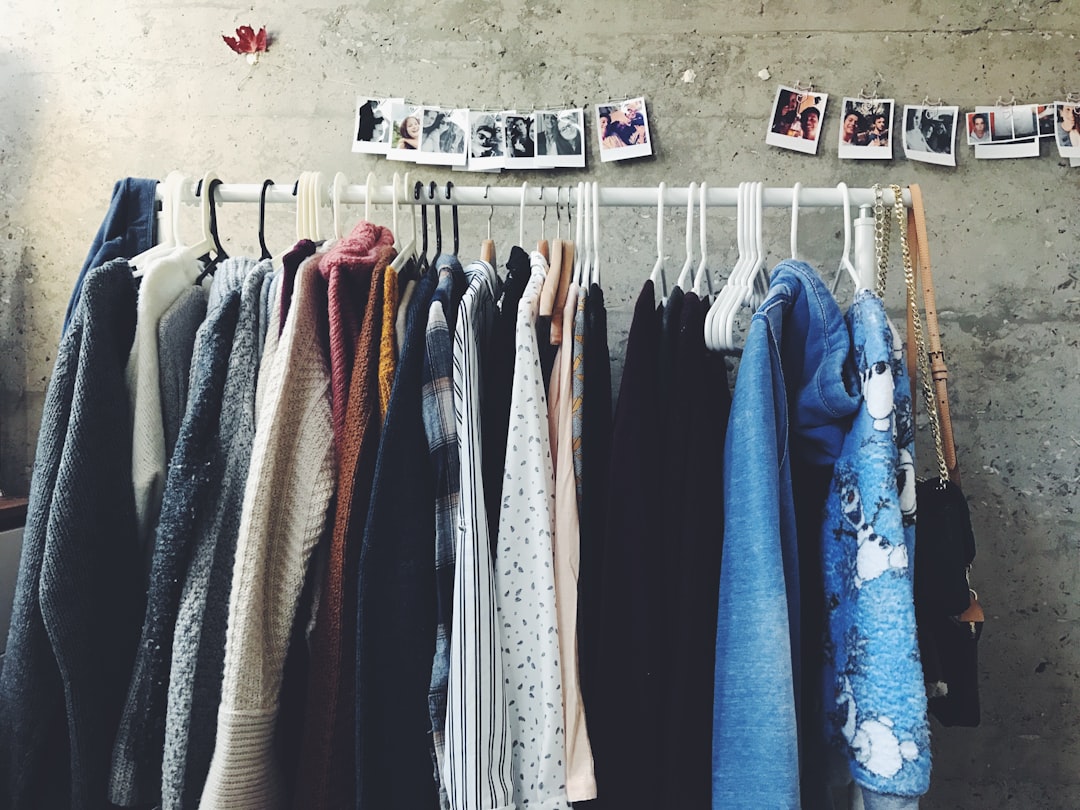 Photo by Shanna Camilleri on Unsplash
The Proceed-with-Caution Categories: When Secondhand Demands More Scrutiny
These items can be fantastic secondhand scores, but they come with higher risk factors related to hygiene, wear, and performance. Your shopping skills and willingness to repair are key here.
Leather Footwear and Bags
Genuine leather goods can last a lifetime and develop a beautiful patina. Secondhand is a brilliant way to acquire timeless styles from brands like Frye, Birkenstock, or even luxury houses. However, this category requires the most diligent inspection.
Condition Check (Non-Negotiable):
- Shoes: Examine the soles for uneven wear, which can be expensive to resolve. Check the interior lining for tears and the insole for imprinting. Look for deep scuffs or cracks in the leather that cannot be polished out.
- Bags: Check the corners for scuffing, the interior for stains and pen marks, and the hardware for scratches or tarnishing. Test zippers and clasps. A worn strap can often be replaced, but a damaged frame or structure is a dealbreaker.
Linen Dresses and Trousers
Linen is a beloved summer fabric for its breathability, but it wrinkles and can show wear in high-friction areas. Secondhand linen is abundant, especially in flowy dresses and loose trousers. The key is to manage expectations: it will have a lived-in look.
Condition Check: Look for fading, particularly along the seams and folds. Check seat and thigh areas on trousers for thinning. Remember, linen’s rumpled nature is part of its charm, but severe discoloration or weakness is not. If you do find a perfect piece, our guide on How to Wash Linen will help you maintain it for years.
Activewear and Technical Gear
This is a divisive category. On one hand, performance fabrics like Lycra and technical polyesters have a finite lifespan; their elasticity and moisture-wicking abilities degrade with time, sweat, and washes. On the other hand, lightly used gear from quality brands like Patagonia, Lululemon, or REI Co-op can be a stellar find for a fraction of the cost.
Platform Strategy: Look to dedicated gear resale sites like REI’s Used Gear or Patagonia’s Worn Wear for professionally vetted items. On general platforms, be extra cautious. Condition Check: This is where our 5-Step Checklist for Buying Sustainable Activewear is crucial. Focus on: 1) Elasticity: Do the waistband and cuffs snap back? 2) Pilling: Is there significant pilling in the inner thighs or underarms? 3) Odor: Ask the seller directly if any odors have persisted through washing. 4) Seams: Are they flat-locked and intact, or starting to fray?
The Strategic New Purchases: When Buying New is the Wiser Choice
After applying your “secondhand first” filter, some gaps remain. Buying new is the responsible choice here when it’s about guaranteeing ethics, performance, or foundational longevity.
Underwear, Socks, and Swimwear
For clear hygiene reasons, these intimate items are best purchased new. This is precisely where to direct your budget toward sustainable and ethical brands that prioritize organic cotton, recycled nylon, and fair labor practices. Consider this a non-negotiable investment in both personal well-being and supporting responsible supply chains.
Specific, Performance-Driven Essentials
Sometimes you need a garment to perform a very specific function that is hard to verify secondhand. Examples include:
- A truly waterproof rain jacket: The DWR (durable water repellent) coating degrades over time and with washes. Buying new from a brand with a repair program (like https://www.patagonia.com) ensures you get peak performance and a long-term repair partner.
- Perfectly-fitting, everyday bras: Fit is so personal and critical. Investing in a professional fitting and new bras from an ethical brand is a comfort and longevity play.
- Long-term travel staples: If you’re building a travel capsule around specific, versatile pieces (like a merino wool dress or a convertible travel blazer), buying new from a trusted brand ensures you get the tested performance, odor resistance, and packability you’re counting on. Our 3-Layer Formula for Sustainable Travel Outfits can help identify these key pieces.
The Foundational “Uniform” Pieces
You may have a specific, simple item you wear on heavy rotation—a perfect white t-shirt, a black turtleneck, a pair of tailored trousers. If your secondhand search yields only “close but not perfect” options, buying a high-quality, ethically-made new version is strategic. You will wear it hundreds of times, making its cost-per-wear minimal. For basics, comparisons like our Everlane vs. Pact vs. Kotn analysis can help you decide which brand’s philosophy and fit align with your needs.
Your Smartest Secondhand Moves
To turn this strategy into action, your success hinges on platform savvy and a sharp eye. Here is a quick-reference guide to navigating the resale landscape.
| Platform Type | Best For | Risk Level | Key Action |
|---|---|---|---|
| Consignment Stores (Brick & Mortar) | Tactile inspection, curated selection, supporting local business. | Low | Try everything on. Inspect under store lighting. Ask about return policies. |
| ThredUp | Efficient browsing, massive volume, standardized photos/descriptions. | Medium | Use filters aggressively. Pay for “Goody Boxes” for try-before-you-buy in risky categories. |
| Poshmark/Depop | Specific brand/search, direct seller interaction, bundle deals. | Medium-High | Ask for more photos. Read seller reviews. Negotiate politely. |
| The RealReal/Vestiaire | Authentic designer goods, professional authentication, investment pieces. | Low (for auth.) | Understand their condition grading scale. “Excellent” should mean nearly new. |
| Facebook Marketplace | Large items (furniture), local pickup, bulk lots. | High | Never pay without seeing in person. Meet in safe, public locations. |
The Universal Condition Checklist: Before you click “buy” or hand over cash, mentally run through this list, adapted from our full Secondhand Shopping Checklist:
- Seams & Stitching: Are they tight, even, and intact? Loose threads can be fixed; gaping seams are a red flag.
- Zippers & Closures: Do they glide smoothly? Are any buttons missing or cracked?
- Fabric Integrity: Hold it up to the light. Look for thinning, holes, and permanent stains (oil, ink, makeup).
- Care Tags: Are they present and legible? This tells you how to care for the garment and often confirms fabric content.
- The Smell Test (Ask!): If buying online, don’t hesitate to ask, “Is this item free of any smoke, perfume, or persistent odors?”
The most sustainable wardrobe is the one you already own, followed closely by the one you build with intention. By strategically sourcing the majority of your wardrobe secondhand—especially in the “green light” categories—you make a profound environmental impact. By then deliberately investing in new, ethical items for specific, high-need roles, you support the future of responsible fashion. This isn’t about perfection; it’s about a practical, powerful balance. Start your next search not with a blank slate, but with this question: “Where does this item fit on my strategic map?”